Zahran Marble
When considering the maintenance of white marble countertops, many homeowners ask, "What is the best sealer for white marble countertops?" Selecting the right sealer is crucial for preserving the beauty and functionality of these elegant surfaces. White marble is porous and prone to staining, and without a proper sealing strategy, these countertops can lose their luster quickly.
Different sealers offer varied levels of protection, durability, and ease of application. Some sealers penetrate deeper but may require frequent reapplication. Others form a protective layer on the surface, but they might alter the marble's natural appearance. The challenge lies in finding a product that balances effectiveness and aesthetic appeal.
Moreover, it is vital to understand that no sealer offers total protection. Regular maintenance, such as cleaning spills promptly and using cutting boards, remains essential. The quest for the best sealer involves weighing these factors while also reflecting on personal needs and preferences. Ultimately, informed choices lead to stunning, lasting countertops.
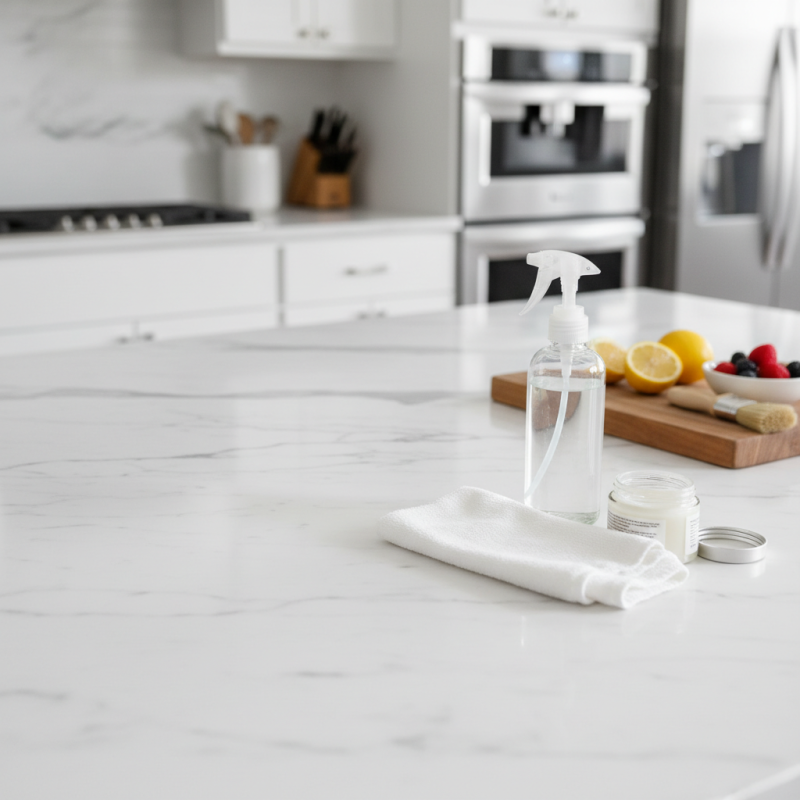
When it comes to sealing white marble countertops, the choice of sealer plays a crucial role. Understanding the types of sealers available can help maintain the beauty of your surfaces. There are two main types of sealers: penetrating sealers and topical sealers. PENETRATING SEALERS absorb into the marble, providing long-lasting protection against stains. They are ideal for high-use areas, keeping the marble looking pristine.
Topical sealers create a barrier on the surface of the marble. These offer a glossy finish and are easy to apply. However, they may require more frequent reapplication. It's essential to choose a sealer that aligns with your countertop usage. Lightly used surfaces may benefit from a topical sealer, while high-traffic areas need a penetrating option.
Tips: Always test your chosen sealer on a small, inconspicuous area before full application. This simple step can save you from potential disappointments. Keep an eye on how your marble reacts to the sealer. If it changes color or texture, reconsider your choice. Regular maintenance and resealing are vital for longevity, so be prepared to check your countertops.
When selecting a sealer for white marble countertops, several factors come into play. The permeability of marble is key. Marble can easily absorb stains, so a penetrating sealer is often recommended. This type of sealer seeps into the stone, offering long-lasting protection without changing its appearance.
Another important factor is the finish. Sealers come in both glossy and matte options. A matte finish maintains the elegant look of natural stone, while a glossy seal can enhance color richness. Different finishes require different application techniques, so be prepared to adjust your approach.
Tips: Always test your sealer on a small, inconspicuous area first. This will help you see how it interacts with your specific marble. Remember to reapply the sealer regularly, as it may wear off in high-use areas.
One common pitfall is choosing a sealer without understanding its drying time. Some sealers need hours to cure, while others may dry quickly. This can affect your overall project timeline. Take the time to review the instructions for optimal results. Use caution with any sealant, as improper application can lead to uneven coverage or damage.
| Sealer Type | Durability | Water Resistance | Ease of Application | Recommended Frequency of Reapplication |
|---|---|---|---|---|
| Penetrating Sealer | High | Excellent | Moderate | 2-3 years |
| Topical Sealer | Moderate | Good | Easy | 1-2 years |
| High-Performance Sealer | Very High | Excellent | Moderate | 3-5 years |
| Eco-Friendly Sealer | Moderate | Good | Easy | 1-2 years |
Sealing white marble countertops requires careful attention to detail. The right technique can enhance durability and prevent staining. Start by cleaning the surface thoroughly to remove dirt and grease. Use a pH-neutral cleaner for the best results. After cleaning, dry the surface completely before proceeding with the sealer.
When applying the sealer, use a soft cloth or a foam applicator. Work in small sections to ensure even coverage. Apply a thin layer and avoid over-saturating the marble. Allow the sealer to penetrate for the recommended time before wiping off the excess. Ensure you have proper ventilation during this process. Sometimes, the sealer may not offer complete protection, leading to unexpected stains. Reseal your countertops regularly to maintain their pristine condition.
After sealing, test the surface with water drops. If they bead up, your seal is working. If not, you may need to re-evaluate your sealing technique. It’s essential to learn from any mistakes during this process. Each application can provide insights into the best methods for your specific marble type. Keeping a record of what works and what doesn’t can guide future maintenance efforts.
Maintaining sealed white marble countertops requires a bit of effort, but the rewards are worth it. Regular cleaning is essential to prevent stains. Use a pH-balanced cleaner specifically designed for marble. Avoid acidic substances that can dull the surface.
It's important to address spills immediately. Quickly blotting the area can prevent permanent damage. Even sealed marble can absorb liquids, leading to discoloration. Be mindful when cooking or entertaining.
Another key aspect is reapplication of the sealer. Depending on the usage, sealers may wear off. You might need to reseal every 6-12 months. Regularly inspect your countertops and look for signs of dullness. If they appear lackluster, it may be time to reapply the sealer. Keeping a schedule for maintenance is a good practice. It helps ensure your countertops remain beautiful and functional.
Sealing white marble countertops is essential for protecting their beauty. Many homeowners, however, make common mistakes that can compromise the marble's integrity. For instance, neglecting to choose the right sealer can lead to discoloration and stains. According to industry reports, 40% of marble countertops require resealing within a year due to improper application.
One frequent error is sealing too soon after installation. Marble should be completely dry before applying a sealer. If moisture is trapped underneath, it may cause bubbling and uneven coverage. Additionally, using a sealer that is not suited for marble can result in a dull surface. Experts recommend using a penetrative sealer designed specifically for natural stone.
Regular maintenance is key. Even high-quality sealers wear off over time. It’s advised to conduct a water test every six months to check for permeability. If water beads on the surface, your sealer is still effective. If not, it may be time to reseal. Rushing this process can lead to long-term damage. Always remember, consistency matters when caring for white marble countertops.
: Consider the permeability of marble. A penetrating sealer is recommended for lasting protection.
Sealers come in glossy and matte finishes. Matte maintains the natural look, while glossy enhances color.
Testing on a small area helps you see how your specific marble interacts with the sealer.
Clean the marble surface with a pH-neutral cleaner and ensure it’s completely dry.
Apply a thin layer using a soft cloth or foam applicator. Work in small sections to avoid over-saturation.
If water does not bead, the sealer may not be effective. You might need to re-evaluate your technique.
Regular resealing is essential, especially in high-use areas. Conduct a water test every six months for effectiveness.
Avoid sealing too soon after installation. Ensure the marble is completely dry to prevent bubbling.
High-quality sealers can wear off. Neglecting maintenance can lead to stains and discoloration over time.
Using the wrong sealer can dull the surface. Always choose a sealer designed specifically for natural stone.
When considering "What is the best sealer for white marble countertops," it's essential to understand the different types of sealers available. These may include penetrating sealers, which infiltrate the stone to provide protection from stains, and topical sealers that create a protective layer on the surface. Evaluating factors such as the marble's porosity, the expected foot traffic, and exposure to staining substances will guide you in making the right choice.
Proper application techniques are crucial for effective sealing. Ensure the countertop is clean and dry before applying the sealer evenly. After sealing, regular maintenance, including cleaning with pH-balanced products, is vital to preserve the marble's beauty and longevity. Be aware of common mistakes, such as applying too much sealer or failing to re-seal regularly, which can compromise the effectiveness of the protective layer. With the right knowledge, you can successfully enhance and protect your white marble countertops.
