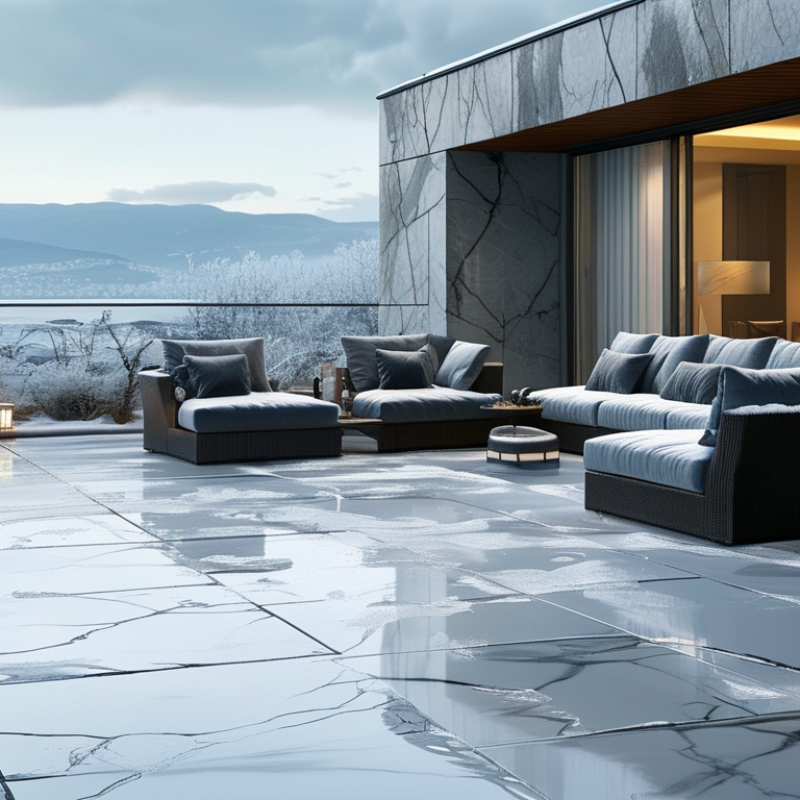
When considering outdoor patio flooring options, the durability of materials in winter is crucial. Many homeowners wonder, can marble be used for outdoor patio flooring in winter? Marble offers a classic aesthetic, but its performance under extreme conditions raises concerns.
While marble is strong, it can be vulnerable to freeze-thaw cycles. Water can seep into tiny cracks, expanding when it freezes. This may cause cracking or chipping, compromising the beauty of your patio. Additionally, snow and ice can create slippery surfaces, which may pose safety risks.
Professional advice often suggests sealing marble to enhance its resistance to moisture. However, this isn't a guaranteed fix. Homeowners should carefully evaluate their local climate. In regions with harsh winters, alternative materials may prove more reliable. Understanding the limitations of marble is essential for making an informed choice.
Understanding Marble as a Patio Flooring Material
Marble is a popular choice for patio flooring due to its aesthetic appeal. However, understanding its properties is vital for making an informed decision. According to the International Journal of Stone Innovations, marble has a high level of porosity, which can absorb water. This absorption can lead to complications in winter months when temperatures drop below freezing.
When water seeps into the marble and freezes, it expands. This expansion can create cracks and cause degradation over time. A study conducted by the Natural Stone Institute reveals that marble can endure outdoor conditions but requires proper sealing. Without treatment, the risk of damage increases significantly. Thus, homeowners should consider maintenance carefully.
While marble can elevate outdoor spaces, it's essential to weigh the risks involved. A recent report indicated that 30% of homeowners experienced issues with winter durability related to their marble patios. Additionally, improper installation can exacerbate problems. Thoughtful consideration of these aspects will aid in making the right choice for your outdoor area. The beauty of marble is undeniable, but it requires responsibility.
Impact of Winter Conditions on Outdoor Marble Flooring
When considering outdoor marble flooring for a patio, winter presents unique challenges. Marble is a beautiful choice, yet its porous nature makes it vulnerable to harsh conditions. In freezing temperatures, water can seep into the stone and expand, leading to cracks. Snow and ice can further damage the surface, causing unsightly blemishes.
The impact of winter conditions should not be underestimated. Continuous freeze-thaw cycles can deteriorate the integrity of outdoor marble. Even with proper sealing, some marble varieties may struggle to withstand low temperatures. It’s essential to choose the right type of marble, as not all are created equal in terms of durability.
Maintenance during winter is crucial. Regularly clearing snow can help prevent buildup that may lead to discoloration. Using mats can also provide protection against ice accumulation. However, some may overlook these steps, leading to more extensive damage later on. Ignoring the effects of winter can transform a beautiful patio into a problematic space.
Impact of Winter Conditions on Outdoor Marble Flooring
Durability and Longevity of Marble in Cold Climates
Marble is often admired for its elegance and beauty, making it a popular choice for outdoor patios. However, the durability of marble in cold climates raises valid concerns. When temperatures drop, marble can be vulnerable to freezing and thawing cycles. These cycles can lead to cracks and damage over time, which may disrupt the overall aesthetic.
Research indicates that marble possesses a low freeze-thaw resistance rating of about 30. This means extended exposure to cold weather can significantly shorten its lifespan. According to a study by the Natural Stone Institute, repeated freeze-thaw conditions can cause marble to lose integrity within a few winters, especially in regions experiencing heavy snowfall.
Tips for maintaining marble outdoors in winter include applying a quality sealant. This creates a protective barrier against moisture and ice. Regular inspections for cracks or signs of wear can also prevent significant damage. Another useful practice is to sweep away fallen leaves or debris, which can trap moisture against the marble surface.
It's essential to recognize some limitations of marble. Despite its luxurious appeal, it may not be the best option for every climate. Weighing the pros and cons is crucial. Speaking with experts can provide valuable insights on how to best care for marble in your specific environment.
Can Marble Survive Winter Outdoors for Patio Flooring? - Durability and Longevity of Marble in Cold Climates
| Property |
Description |
Suitability for Cold Climates |
| Water Absorption |
Marble has a relatively low water absorption rate, which minimizes freeze-thaw damage. |
High |
| Frost Resistance |
Marble can withstand some frost but may crack if improperly installed. |
Moderate |
| Porosity |
Marble is porous and can stain or be damaged by harsh chemicals. |
Low |
| Longevity |
With proper care, marble can last several decades in outdoor settings. |
High |
| Maintenance |
Requires regular sealing to protect from moisture and staining. |
Requires regular upkeep |
| Cost |
Marble can be expensive compared to other patio materials. |
Variable |
Maintenance Tips for Marble Patios During Winter
Maintaining marble patios during winter requires careful attention. Marble can be vulnerable to cold temperatures and moisture, which can lead to cracking. Regular maintenance helps prevent damage.
One effective tip is to ensure proper drainage around the patio. Standing water can freeze, expanding and causing cracks. Channel drainage appropriately to keep the surface dry. Another recommendation is to apply a penetrating sealer before winter. This sealer protects marble from water absorption, reducing the risk of freeze-thaw cycles.
Regularly cleaning the surface is crucial. Use a pH-balanced cleaner to remove dirt and debris. Avoid harsh chemicals that can damage the marble. Also, remember to remove snow promptly. Heavy snow can weigh down on the marble. Use a soft-bristled broom for snow removal to avoid scratches. Proper care ensures that your marble patio lasts through winter.
Alternatives to Marble for Winter-Friendly Outdoor Flooring
When considering outdoor flooring for patios, especially in winter, alternatives to marble become essential. Marble is beautiful but doesn’t handle freezing temperatures well. Data shows that marble can crack if subjected to extreme cold and thermal shock. In regions with harsh winters, homeowners need flooring that remains intact.
Concrete pavers are a popular choice for outdoor patios. They have excellent durability and low maintenance requirements. Studies indicate that concrete pavers can withstand temperatures as low as -20°F without significant damage. Additionally, they come in various designs and colors, allowing for customization.
Another option is porcelain tiles. Porcelain is denser than traditional ceramic tiles, making it frost-resistant. According to industry reports, porcelain tiles can survive temperatures down to -40°F. They are also easy to clean and remain visually appealing over the years. However, improper installation can lead to cracks. Hence, hiring experienced professionals is crucial.
Choosing appropriate flooring materials is vital. Each alternative has strengths and weaknesses. Evaluating local climate conditions and personal preferences will help in making a more informed decision.
Conclusion
When considering whether "can marble be used for outdoor patio flooring in winter," it's essential to understand the characteristics of marble as a flooring material. Marble offers a classic aesthetic, but its performance during cold weather can vary significantly. Harsh winter conditions, including freezing temperatures, snow, and ice, can impact marble's durability and longevity. Despite its elegance, marble is prone to cracking and staining in extreme weather.
To maintain marble patios during winter, homeowners should implement protective measures such as sealing the marble and using outdoor rugs to minimize direct exposure to ice and snow. In regions with severe winters, exploring alternatives like porcelain or composite materials may be advisable. These options offer enhanced durability and resilience against frost, making them more suitable for outdoor use in colder climates. Ultimately, while marble can be used for outdoor patio flooring in winter, careful consideration and maintenance are vital to ensure its longevity.
 Zahran Marble