Zahran Marble Zahran Marble

China Top 10 Marble Types for a Budget Bookmatched Look

Time:2026-09-29 Author:Isabella
0%

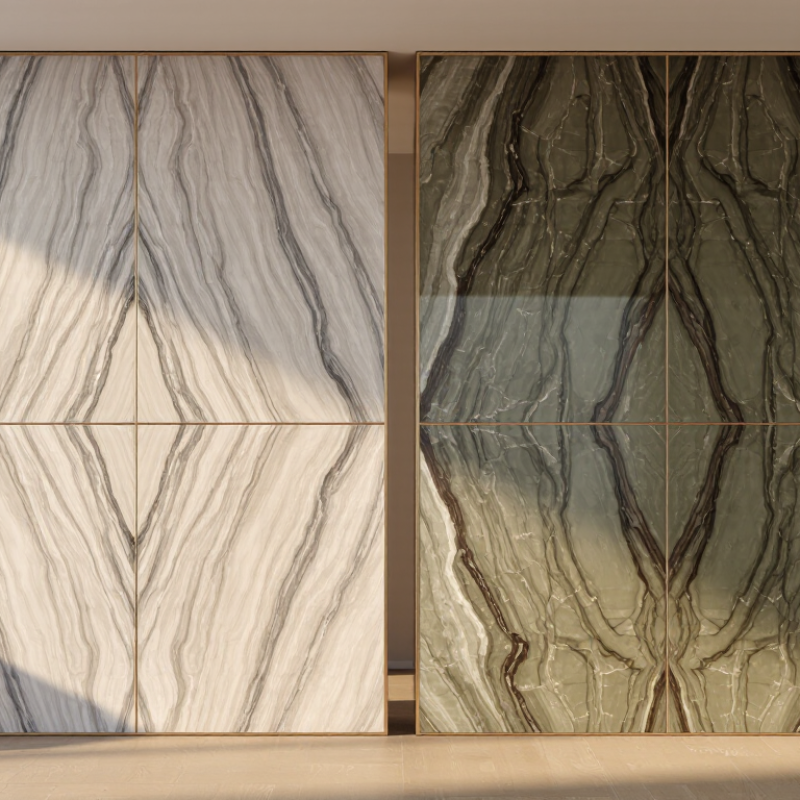
Bookmatched marble creates a striking mirror effect: two neighboring slabs are opened like a book, allowing their veining to reflect across a wall, island, or fireplace. The result can feel luxurious, but matching slabs, material yield, and fabrication all affect the final cost. How to achieve a bookmatched marble look on a budget starts with choosing stone for both appearance and availability, not appearance alone.

China offers a broad range of marble colors and patterns, from pale backgrounds with fine gray veins to dramatic green and dark-toned stones. This guide introduces ten options and explains what to inspect before buying: slab size, vein continuity, surface finish, and the usable area after cutting. Ask suppliers for photographs of the actual paired slabs. A small sample cannot show the full pattern. Nor can it promise a close match.

Industry references help frame the decision, though they do not set a household project budget. The U.S. Geological Survey’s Mineral Commodity Summaries 2025 reports on dimension-stone production and trade, providing useful supply context. It does not compare local retail prices or guarantee that a particular Chinese marble will be cheaper. The Natural Stone Institute’s Dimension Stone Design Manual offers technical guidance relevant to selecting and installing stone. Still, bookmatching depends on the specific block and cut. That detail is easy to overlook. These ten choices are a practical starting point, not a substitute for reviewing full slabs, confirming fabrication costs, and checking the finished layout before installation.
China Top 10 Marble Types for a Budget Bookmatched Look

What Bookmatching Means and How It Shapes Marble Costs

China’s top ten marble types can create a bookmatched look without premium imported-stone pricing. Bookmatching means opening two adjacent slabs like a mirror. Veins then continue across the joint.

This effect changes the budget quickly. Fabricators must reserve matching slabs, align the pattern, and cut both pieces together. Extra waste can reach 15–30%, depending on veining and the project shape. This is a practical estimate, not a universal rule.

The U.S. Geological Survey’s Mineral Commodity Summaries 2024 reports about 1.7 million metric tons of U.S. dimension-stone production in 2023. Its market data also shows why transport and processing matter beyond quarry price. A cheaper Chinese marble may still cost more after crating, freight, polishing, and installation.

Strong budget candidates include Chinese white, beige, grey, green, and dark marbles. Ask suppliers for consecutive slabs, not random photographs. Check the full slab under consistent lighting. My first cost estimate often fails when the vein direction is ignored. It is an easy mistake.

Tips

Request slab dimensions, thickness, lot number, and estimated usable area. Price the stone, fabrication, waste, edge work, and shipping separately. For a compact island, a dramatic vein may justify bookmatching. For a long wall, simpler movement can reduce waste. The National Stone Institute recommends reviewing stone samples and fabrication details before approval. Expect natural variation; perfect symmetry is rarely guaranteed.

How to Evaluate Chinese Marble for Budget Bookmatching

For a budget bookmatched look, evaluate Chinese marble by slab consistency, not just its showroom color. Bookmatching requires slabs cut from the same block and kept in sequence. Ask for block photographs, slab numbers, and clear images under neutral lighting. A warm warehouse light can hide gray, yellow, or pink undertones.

Inspect the veining at full slab scale. Fine veins may create a calm mirror effect, while broken veins can look awkward across a wall. Check both polished and unpolished samples. Surface shine can exaggerate color differences. Small filled fissures are common, but wide repairs may become visible after cutting. Run a damp cloth over the sample. Uneven darkening can suggest different absorption rates.

Request recent inspection data for water absorption, flexural strength, and thickness tolerance. These details matter around sinks, floors, and large vertical panels. Confirm that all slabs come from one production lot. Mixing lots is risky, even when the names match. Leave enough material for orientation and waste. A low square-meter price can rise quickly after unusable sections are removed.

Measure the planned mirror line before purchasing. The central vein should be discussed with the fabricator, not guessed from a small sample. Dry-lay the slabs when possible. It takes more time. It prevents expensive surprises. I would still allow a small color variation, because natural stone rarely behaves like printed paper. That imperfection can be acceptable, but only when recorded before installation.

China Top 10 Marble Types for a Budget Bookmatched Look

How to evaluate Chinese marble for budget bookmatching: the score combines visual pattern continuity, slab availability, color consistency, and expected processing yield. Regional names may cover several quarry grades, so final selection should always be based on current slab photos and physical inspection.

Higher scores indicate a stronger practical fit for cost-conscious bookmatched panels. White and light-toned materials generally provide more affordable visual continuity, while highly contrasting or less consistent stones may require additional slab selection and matching work.

Ten Chinese Marble Types for an Affordable Bookmatched Look

Ten Chinese Marble Types for an Affordable Bookmatched Look

A bookmatched wall can look luxurious without using imported stone. Ten Chinese marble types are often considered for this effect, including Guangxi White, Yunnan White, Sichuan White, Hubei White, China Grey, Cloud Grey, Wooden Vein, Spider White, Shanxi Black, and Rose Grey. Names vary between quarries and suppliers, so geological labels deserve careful checking. The International Trade Centre’s 2023 Trade Map classifies marble under HS 2515, showing how widely this material moves through global construction markets. That trade volume does not guarantee consistent quality.

Bookmatching depends on the block, not only the marble name. Ask for images of the full slab pair. Veins should mirror across the joint, like an open paper fan. Check resin filling, fissures, water absorption, and surface finish. ASTM C503 and C568 provide useful reference points for marble selection and absorption performance. In practice, a polished surface can make dark veins stronger, while honed finishes hide small reflections. I have seen attractive samples fail during layout because the vein direction was ignored. It is an easy mistake.

Tips: Request two consecutive slabs, a digital layout, and a physical corner sample. Confirm thickness, usable dimensions, and color variation in writing. Leave extra material for cutting. “Budget” can become expensive after poor matching, and cheaper stone is not always cheaper installation.

How to Compare Veining, Slab Availability, and Project Costs

China Top 10 Marble Types for a Budget Bookmatched Look

A budget bookmatched wall begins with vein direction, not the lowest square-meter price. In Chinese stone markets, buyers often compare Carrara, Calacatta, Statuario, Arabescato, Botticino, Crema Marfil, Emperador, Nero Marquina, Volakas, and Guangxi White. Their patterns vary sharply. Carrara usually offers softer gray movement, while Calacatta and Statuario create stronger focal lines. Dark Emperador and Nero Marquina need careful lighting. Veins can look attractive on one slab and awkward on its paired panel.

Ask suppliers for full slab photographs, dry layouts, and matching block information. Small samples hide open pores, resin repairs, and color shifts. Check whether adjacent slabs come from the same block. That detail matters. Bookmatching also requires a usable center cut. A dramatic vein near the edge may disappear during fabrication. I have seen projects order two slabs, then discover that only one matched visually.

Compare costs by completed installation, not material alone. Include slab thickness, polishing, edge work, reinforcement, packing, freight, installation, and expected waste. Bookmatched panels may create 20–35% waste when the pattern is irregular. Standard sizes can reduce cutting loss, but they may limit the visual composition. Ask about current inventory and replacement availability. A lower-priced stone becomes expensive when one damaged slab cannot be replaced. Budget estimates should remain provisional, because quarry batches and freight rates change. Even experienced buyers can overtrust photos; natural stone still needs an in-person inspection under the project’s actual lighting.

How to Select, Install, and Care for Bookmatched Marble Surfaces

For a budget bookmatched look, begin with the stone, not the pattern. Compare ten Chinese marble types by background color, vein movement, slab thickness, and repair history. White, grey, beige, and dark marbles can all work, but dramatic veining creates more cutting waste. Ask the quarry or fabricator for slabs from the same block. Their tones should sit together under natural and warm lighting. The USGS Mineral Commodity Summaries 2024 reports that imported dimension stone remained a major U.S. supply stream in 2023. That wider supply can improve choice, but not every low-cost slab deserves approval. I still request a full-size dry layout. Small samples often hide open veins and resin-filled pits.

Installation needs disciplined planning. ASTM C503/C503M provides physical requirements for marble dimension stone, while project tolerances still depend on the installer and substrate. Use a flat, reinforced base, flexible stone-compatible adhesive, and a centered seam. Align the mirror line before cutting sink holes or outlets. A three-millimeter mismatch can look obvious across a long island. Expect some waste. My earlier layouts were too optimistic.

Care is simple but unforgiving. Seal porous surfaces after installation, following the sealer’s technical sheet. Clean with a pH-neutral product and a soft microfiber cloth. Vinegar, lemon juice, abrasive powders, and hot pans can dull or etch calcite marble. Wipe coffee and oil quickly. Inspect the seam and sealer annually; bookmatched beauty cannot correct careless maintenance.

China Top 10 Marble Types for a Budget Bookmatched Look - How to Select, Install, and Care for Bookmatched Marble Surfaces

Regional Trade Name Reported Source Region Typical Appearance Relative Budget Level Bookmatch Potential Selection, Installation, and Care Notes
Guangxi White Guangxi Usually a light white to warm-white ground, with variation in gray markings between blocks. Often budget to mid-range; grade, finish, and slab size affect cost. Moderate; inspect the actual consecutive slabs for a clear mirrored pattern. Ask for slabs from the same block and review a dry layout. Seal as appropriate for the stone; clean with a pH-neutral stone cleaner.
Guangxi Grey Guangxi Gray background tones with variable cloudy or linear patterning. Often budget to mid-range, depending on consistency and available slab yield. Moderate to high when the selected block has directional veining. Choose the pattern before fabrication and mark the intended seam. Use a qualified stone fabricator to support and align the joint.
Yunnan White Yunnan Light-colored stone that may show gray or beige veins; appearance varies by quarry and block. Budget to mid-range in many selections; verify current local quotations. Moderate; stronger, continuous veins usually create a more legible mirror effect. Check both slabs under similar lighting. Marble can be etched by acidic liquids, so wipe spills promptly and avoid vinegar or acidic cleaners.
Yunnan Grey Yunnan Gray and silver tones, with patterns ranging from soft clouds to more distinct veins. Often budget to mid-range; unusually uniform or strongly patterned slabs may cost more. Moderate to high if a pair of slabs has complementary directional markings. Request photographs of the full slabs, not only small samples. Confirm substrate support, seam position, and finish before cutting.
Sichuan White Sichuan White to pale ground with natural variation in gray veining and mineral markings. Budget to mid-range, subject to block quality and processing. Moderate; bookmatching depends on the individual block rather than the trade name alone. Approve the slab pair and a cutting diagram before fabrication. Use a penetrating sealer only if suitable for the specific stone and finish.
Sichuan Grey Sichuan Gray-toned material with possible linear or cloud-like movement; color can vary across lots. Often budget to mid-range; compare like-for-like thickness and finish. Moderate; inspect for veins that continue across the proposed center seam. Dry-lay the pieces in final orientation before installation. Use non-abrasive cleaning tools and avoid harsh acidic or bleach-based products.
Hubei White Hubei Light white to cream appearance, with markings that depend on the particular quarry lot. Often budget to mid-range; confirm whether the quoted price includes selection and finishing. Low to moderate for quiet material; higher when the chosen block has directional veins. For a subtle design, select matching slabs for background color as well as pattern. Protect from standing water and clean with a stone-safe product.
Henan Grey Henan Gray to charcoal-gray tones with natural variation in shading and pattern. Often budget to mid-range; availability and finish can change the installed cost. Moderate when slabs show directional movement; verify the pair in person where possible. Use a fabricator experienced with natural stone and planned bookmatch seams. Avoid abrasive pads that may dull a polished surface.
Fujian White Fujian Pale white to warm-white appearance; vein density and background tone vary by source. Budget to mid-range in many market selections; check the slab grade and total yield. Low to moderate for lightly marked slabs; more suitable when a selected pair has visible directional veins. Compare full slabs under the project lighting. Clean spills promptly; marble is calcium-carbonate stone and can react with acids.
Shandong White Shandong Light-colored material with natural variation in tone and markings between sources. Often budget to mid-range; transportation, slab thickness, and finish affect the final price. Moderate when consecutive slabs have complementary patterns; confirm with a full-size layout. Agree on slab selection, seam location, and edge detail before cutting. Use coasters and cutting boards to reduce staining and surface damage.

Note: These are regional or commercial trade descriptions, not guaranteed standardized grades; names, appearance, and availability can vary by quarry and supplier. Budget levels are relative, not fixed price quotes. For bookmatching, confirm that the slabs are sequential cuts from the same block, inspect the full slabs, and approve a dry layout before fabrication. Test sealer suitability on an inconspicuous area and follow the stone-care product instructions.

FAQS

Why should bookmatched marble slabs come from the same block?

Matching slabs should share similar color, veining, and absorption. Ask for block photos, slab numbers, and production-lot details. Similar names do not guarantee a visual match.

What lighting should be used when checking marble color?

Inspect slabs under neutral lighting and the project’s actual lighting. Warm warehouse lights can hide gray, yellow, or pink undertones. Check again near a window.

How can I judge whether the veining will look good?

View the entire slab, not a small sample. Fine veins may create a calm mirror effect. Broken veins can look awkward across a wide wall. Discuss the center line before cutting.

What tests should I request before purchasing?

Request recent data for water absorption, flexural strength, and thickness tolerance. These measurements matter near sinks, floors, and large panels. Keep the records.

How much extra marble should I budget for?

Allow material for orientation, cutting, damage, and unusable sections. Irregular patterns may create 20–35% waste. My earlier estimates were too optimistic.

Why is a dry layout useful?

A dry layout shows the real mirror effect before adhesive is used. It can reveal color shifts, wide repairs, and awkward vein breaks. It takes time. It prevents expensive surprises.

How can I compare the true project cost?

Include slab thickness, polishing, edge work, reinforcement, packing, freight, installation, and waste. A low square-meter price may rise quickly after fabrication.

How should bookmatched marble be installed and maintained?

Use a flat, reinforced base and stone-compatible adhesive. Align the center seam before cutting outlets or sink openings. A three-millimeter mismatch can look obvious.

Conclusion

This guide explains how bookmatching mirrors two adjacent marble slabs so their veining creates a balanced, symmetrical visual effect, while also showing why this design can increase material and installation costs. It outlines how to evaluate Chinese marble by examining color consistency, vein direction, slab quality, thickness, finish, and available sizes before purchase. The article introduces ten Chinese marble types that can provide an attractive bookmatched appearance at a more accessible price, helping readers compare their patterns, availability, and overall project value.

It also offers practical advice on how to achieve a bookmatched marble look on a budget by prioritizing suitable vein patterns, confirming slab inventory early, reducing unnecessary waste, and comparing fabrication and transportation costs. Finally, it covers selection, layout planning, professional installation, seam alignment, sealing, and routine care so the finished surface remains attractive, durable, and easier to maintain over time.

Isabella

Isabella

Isabella is a dedicated marketing professional with a sharp focus on driving brand growth and engagement through strategic content creation. With an extensive background in digital marketing, she combines her passion for storytelling with her keen understanding of industry trends to deliver......