Zahran Marble
In the world of collectibles, marbles hold a special place. Among them, certain marbles are exceptionally expensive. What makes some marbles more expensive than others? This question intrigues both collectors and casual admirers alike. Understanding their uniqueness involves exploring various factors, such as rarity, craftsmanship, and history.
For instance, some marbles are made from rare materials. Others feature intricate designs that showcase exceptional artistry. The emotional connection to a specific era or personal memory also influences their value. A beautifully crafted marble from a renowned artisan can fetch a hefty price.
However, not all high-priced marbles live up to their reputation. Some may lack the quality their price suggests. This invites a deeper reflection on the value we assign to these collectibles. Are we drawn to their beauty, or is it simply the allure of status? The exploration of the most expensive marbles in China reveals these complexities.
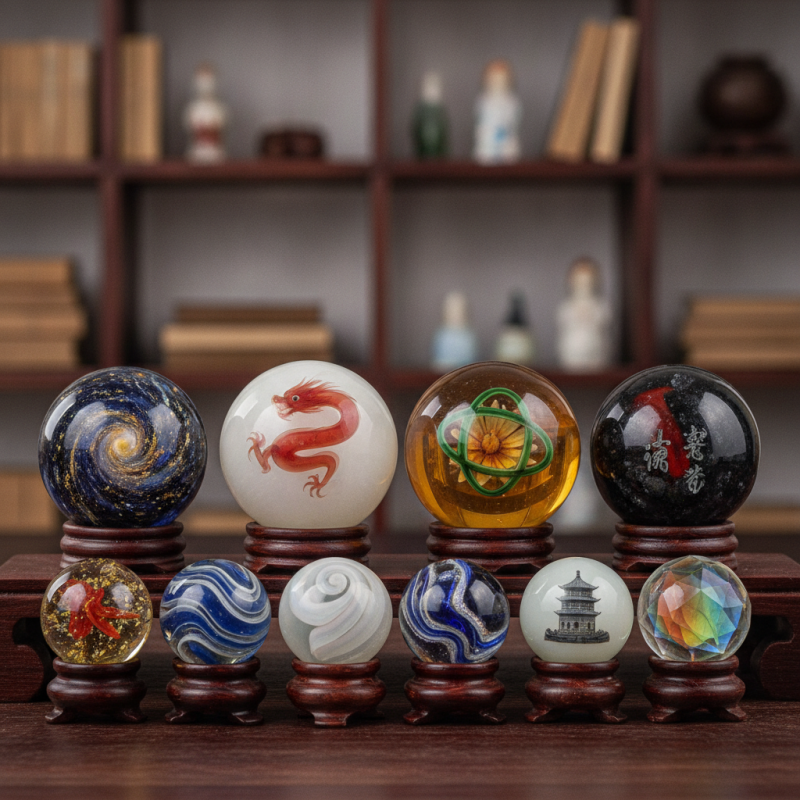
China is home to some of the most exquisite and expensive marbles in the world. The unique characteristics of these stones stem from a rich geological history. For instance, the unique veining and color variations of Chinese emperors marble attract many collectors and architects alike. According to industry reports, the demand for high-quality marble in China rose by approximately 15% in the past year, reflecting a growing preference for luxury materials in construction.
One notable type is the Yucheng white marble. Its pure white surface and subtle patterns make it highly sought after. This marble is often used in high-end interiors and public buildings. An industry analysis highlights that Yucheng marble prices can reach $100 per square meter, attributing this to its limited availability and aesthetic appeal. The color saturation and texture of these stones often result in lengthy extraction processes, creating both opportunities and challenges in the market.
Furthermore, the environmental impact of marble mining raises questions about sustainability. Many companies are exploring eco-friendly practices to minimize their footprint. This focus on green practices adds complexity to an already intricate industry. As demand grows, balancing luxury with responsibility becomes crucial for the future of marble production in China.
China's marble industry showcases a range of exquisite, high-priced varieties. Each type possesses unique features that enhance its value. For example, the bold, deep colors of Chinese Onyx capture attention. Its translucent patterning allows for striking light effects. Industry reports suggest that Onyx prices can soar up to $300 per square meter, due to its scarcity and beauty.
Another exceptional type is the Chinese Calacatta marble. Its white background, adorned with striking gray veining, offers elegant aesthetics. This marble is often favored for luxury interior designs. According to recent market analysis, its demand has risen by 25% in the luxury real estate sector. Craftsmanship plays a crucial role, as artisans ensure each slab displays visual harmony.
However, the high costs of extraction and processing pose challenges. Some marbles, like the Chinese Woodgrain, require specialized techniques for their unique textures. This intricate work contributes to a price range that can exceed $500 per square meter. The reliance on rare geological conditions complicates production. Understanding these distinctive features is essential for any industry stakeholder.
Marbles hold a significant place in Chinese culture. They are not just decorative items; they symbolize wealth, power, and status. In ancient times, emperors used unique marbles to showcase their authority. The rich colors and patterns reflect the beauty of nature. People believe that each marble possesses its own energy and aura, making them unique.
The art of marble carving has been passed down through generations. Craftsmen today still use traditional techniques. This craftsmanship often takes years to master. Each piece tells a story. It may represent a family’s history or cultural heritage. These marbles are often featured in homes, symbolizing prosperity and good fortune.
**Tips:** When choosing a marble for your collection, consider its story. Look for marbles with unique colors or patterns. Research their origins and significance. Understanding their background can enhance your appreciation of these beautiful items. Be mindful of the craftsmanship involved; each marble is a labor of love.
Display your marbles proudly. They can serve as conversation starters. However, remember to assess the authenticity before your purchase. Some pieces may be replicas, not originals. Always seek reliable sources when investing in art. A well-chosen marble can elevate your space and connect you to a rich tradition.
China's marble market is renowned for its expensive stones. Several factors drive up their costs significantly. First, the rarity of these marbles plays a crucial role. Unique colors and textures are often found in limited quantities. Collectors and designers highly value these special characteristics. This scarcity creates a high demand, pushing prices even higher.
Another contributing factor is the extraction and processing methods. High-quality marbles require skilled craftsmanship. They undergo extensive processing to enhance their natural beauty. This work is labor-intensive, adding to the final cost. Additionally, the geographical location of marble deposits impacts logistics. Remote locations result in higher transportation expenses.
Natural imperfections also add complexity to the valuation of these marbles. Some marbles have distinctive veins and patterns, making them unique. However, these features may also weaken structural integrity. Buyers must weigh aesthetic appeal against possible drawbacks. This fine balance prompts reflection on the true value of luxury marble.
The marble industry in China is witnessing a notable surge in demand. According to a recent report by Freedonia Group, the marble market is projected to grow by 7% annually over the next five years. This growth is fueled by the rising popularity of marble in residential and commercial architecture. Unique colors and intricate patterns of high-end marbles attract construction companies and designers alike.
Investment potential in the marble sector is significant. High-quality marbles are becoming valuable assets, generating interest among investors. Reports indicate that luxury marbles can appreciate up to 20% in value over five years. However, the market is not without its challenges. Fluctuating raw material costs and environmental concerns pose risks to sustainable growth. The balance between luxury demand and ethical sourcing practices is a continuous struggle in the industry.
As trends shift, buyers seek transparency regarding origin and production methods. This has led to an increased focus on sustainability and eco-friendly practices. Companies that invest in sustainable marble extraction methods may gain a competitive edge. The call for innovation in this space is growing louder, urging stakeholders to rethink traditional methods. Challenges remain, but those who adapt may thrive in this evolving landscape.
: Chinese Onyx has bold, deep colors and translucent patterns. Its unique look creates striking light effects.
Its elegant white background and gray veining enhance aesthetics. This marble is favored in upscale interior projects.
High extraction and processing costs increase prices. Unique textures, like those in Chinese Woodgrain, also raise costs significantly.
The market is projected to grow by 7% annually. This is driven by marble's rising popularity in architecture.
High-quality marbles can appreciate by 20% in five years. They are increasingly viewed as valuable assets for investors.
Fluctuating raw material costs and environmental concerns create risks. Sustainability and ethical sourcing are ongoing struggles.
Buyers now want to know about the origin and production methods. This shift promotes sustainability and eco-friendly practices.
They may gain a competitive edge in the market. The call for innovation is prompting new approaches in marble sourcing.
Yes, challenges like fluctuating prices and environmental issues pose risks to sustainable growth.
They should understand the balance between luxury demand and ethical practices, as challenges frequently arise in the process.
The article "China Top 10 Most Expensive Marbles: What Makes Them Unique" explores the fascinating world of China's prized marble types, highlighting their distinctive features and cultural significance within Chinese traditions. It delves into what makes some marbles more expensive than others, discussing factors such as rarity, color variations, and manufacturing techniques that contribute to their high costs.
Additionally, the piece examines market trends that influence the demand for these luxurious materials, suggesting that the investment potential in the marble industry remains robust. As broader aesthetic tastes evolve and construction projects flourish, the allure of these unique marbles continues to capture the interest of collectors and investors alike.
