Zahran Marble
When considering how to choose marble slab thickness for wall cladding, several factors come into play. Marble, known for its elegance and durability, has various thicknesses. Each thickness offers distinct advantages and challenges for installation and aesthetics. Many people overlook the importance of selecting the right slab thickness, which can lead to costly mistakes.
Thicker marble slabs provide sturdiness and are ideal for high-traffic areas. However, they can be heavier and may require additional structural support. On the other hand, thinner slabs are lighter and easier to manage but may not provide the same level of durability. Homeowners must weigh these options carefully, balancing beauty with functionality.
Understanding the specifics of your project will guide your decision in choosing the right marble slab thickness. Factors like wall structure, design intent, and overall budget are pivotal. Reflection on personal preferences and realistic application scenarios can shape this choice. Ultimately, the right thickness can enhance both the appearance and performance of your wall cladding.
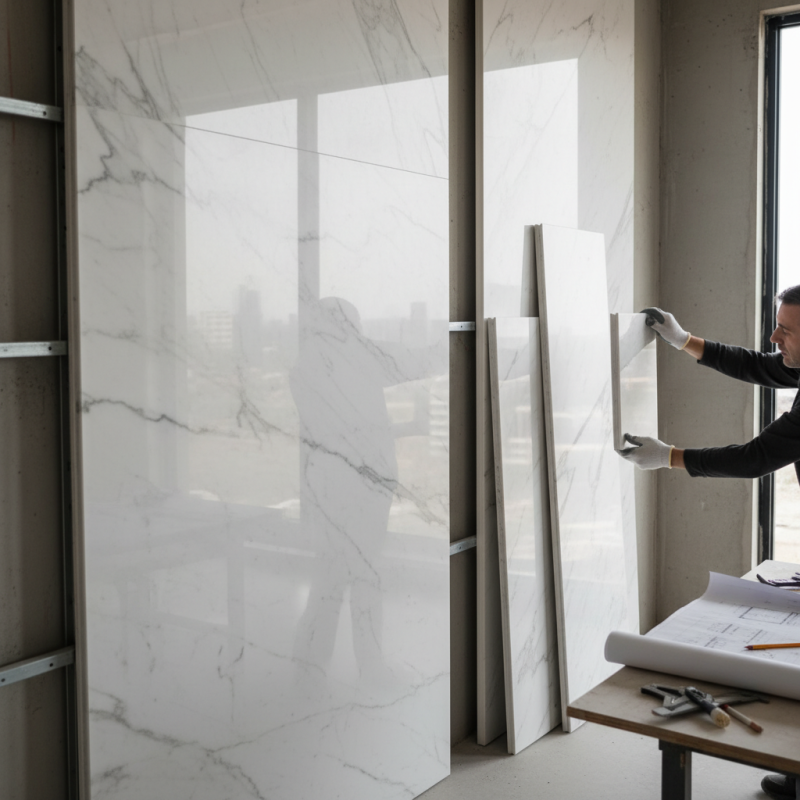
When selecting marble slabs for wall cladding, understanding thickness options is crucial. Typically, marble slabs range from 12mm to 30mm in thickness. Thinner slabs are often chosen for their lighter weight. They are easier to install but may lack the durability of thicker options. The Marble Institute of America suggests that 20mm is a common choice, balancing appearance and strength.
Selecting the right thickness also impacts costs. Thinner slabs can lower material expenses but may lead to higher installation costs due to fragility. According to market data, the global demand for thicker marble slabs is increasing. Professionals recommend considering the slab's application. For high-traffic areas, thicker slabs offer better resistance to wear and tear. A 30mm slab can cost significantly more but may provide value in longevity.
Moisture resistance is another key factor. Thicker slabs may handle exposure better, reducing the risk of mold and damage. However, installing thinner options can seem appealing due to their aesthetic flexibility. Each project requires a balanced decision based on these factors. Reflecting on the intended use and environment plays a vital role in choosing the correct marble slab thickness for wall cladding.
When selecting marble slab thickness for wall cladding, several factors come into play. The aesthetic appeal is paramount. Thicker slabs often convey luxury. They create a bold presence that thinner options cannot match. However, thicker slabs can weigh significantly more, requiring stronger support. This should not be overlooked.
The intended use of the space also impacts thickness. In high-traffic areas, a thicker slab is likely more durable. Yet, in residential settings, thinner options may suffice. Homeowners sometimes underestimate the stress that walls endure. The installation process may present challenges with thicker materials. Not all contractors have experience working with heavy slabs.
Cost is another crucial factor to consider. While thicker slabs might offer superior appeal, they can also lead to higher expenses, both in material and installation. Homeowners should evaluate their budget carefully. Balancing beauty with practicality is often difficult. Ultimately, the choice requires reflection on personal taste and functionality. Striking this balance can lead to satisfying decisions.
| Thickness (mm) | Weight (kg/m²) | Recommended Usage | Durability | Installation Complexity |
|---|---|---|---|---|
| 10 | 25 | Interior Walls | Moderate | Easy |
| 15 | 38 | Accent Walls | High | Moderate |
| 20 | 50 | Exterior Walls | Very High | Challenging |
| 30 | 75 | Commercial Use | Highest | Very Challenging |
When choosing marble slab thickness for wall cladding, consider various benefits offered by different options.
Thinner slabs, typically around 12mm, provide a lightweight solution. They are easier to handle and install, making them ideal for extensive wall projects. However, they may sacrifice some durability compared to thicker options.
On the other hand, thicker slabs, such as 20mm or more, offer superior strength. They are less prone to chipping and cracking. Their weight can make installation more challenging, but they deliver a luxurious appearance. A thicker slab can elevate the aesthetic of any space, creating a bold statement.
Tips: When selecting slab thickness, think about the wall's function. If the wall bears heavy loads or experiences high traffic, opt for thicker slabs. For decorative features, thinner slabs can still look stunning. Always consult with a professional to evaluate your specific needs. Proper installation is crucial for both thicknesses to ensure longevity and beauty.
When selecting marble slab thickness for wall cladding, it's essential to consider various applications in architecture. Thicker slabs, typically 20mm or more, offer greater durability and are often used in high-traffic areas. They resist wear and impacts better than thinner varieties. Conversely, thinner slabs, like 10mm or 12mm, can deliver an elegant aesthetic for less demanding applications. These are ideal for decorative walls in residential spaces or lower-traffic commercial areas.
Using the right thickness can impact both appearance and performance. Common applications for thicker marble include hotels, offices, and hospitals. These settings require materials that can withstand daily use. For residential homes, thinner slabs create a sophisticated look in living rooms or bathrooms, showcasing the beauty of marble without overwhelming the structure.
Tips: Measure your space accurately. Consider how the thickness will affect installation. Remember that heavier slabs may need additional support. Lightweight options can lower costs. Always consult with a professional to determine the best choice for your specific needs. Selecting the proper thickness not only enhances the visual appeal but also ensures long-lasting performance.
When it comes to marble slab thickness for wall cladding, maintenance plays a crucial role.
Thinner slabs, while aesthetically pleasing, may require more care. They are often less robust and can chip or crack easily. This vulnerability necessitates regular inspections for any signs of damage.
The maintenance burden increases as the thickness decreases, making attention to detail important.
On the other hand, thicker marble slabs are generally more durable and resistant to wear. Their strength means they can withstand impacts better than their thinner counterparts.
However, heavier slabs may demand additional support.
This can complicate installation and future repairs. It's essential to evaluate your wall structure to determine the best approach.
Cleaning procedures also differ based on thickness.
Thinner slabs need gentle cleaning solutions to avoid damage, while thicker slabs can tolerate stronger agents.
Be aware that some cleaning products can harm the finish of the marble.
Finding the right balance in thickness and maintenance requirements is vital for long-term enjoyment of your marble cladding.
: Marble slabs typically range from 12mm to 30mm in thickness.
Thinner slabs are lighter and easier to install. However, they may lack durability.
The 20mm thickness balances appearance and strength, making it a popular choice.
Thinner slabs can reduce material costs but may increase installation expenses due to fragility.
Aesthetic appeal, intended use, and installation challenges are key considerations.
Thinner slabs may require more frequent inspections and are more prone to damage.
Thicker slabs weigh more, possibly needing stronger support, which can complicate installation.
Thinner slabs need gentle cleaning solutions, while thicker ones can handle stronger agents.
Thicker slabs are generally better at handling moisture and preventing mold.
Balancing beauty and functionality often leads homeowners to reflect deeply on their choices.
When considering how to choose marble slab thickness for wall cladding, it's essential to understand the various thickness options available. Marble slabs typically come in multiple thicknesses, which can significantly influence the aesthetics and structural integrity of wall installations. Factors that impact this choice include the intended use, the weight-bearing requirements, and the overall design of the space.
Different thicknesses offer unique benefits; for instance, thicker slabs can provide better durability and resistance to cracking, while thinner options offer a lighter, more modern appearance. Common applications of various thicknesses in architecture range from elegant residential interiors to robust commercial facades. Additionally, maintenance considerations, such as susceptibility to wear and ease of cleaning, vary based on thickness, making it crucial to assess these aspects when selecting marble for cladding projects.
