 Zahran Marble
Zahran Marble
Zahran Marble
When considering the question, "What is the lifespan of a marble countertop with heavy use?" industry experts provide valuable insights. According to Dr. Amelia Carter, a leading materials scientist at the Stone Institute, "The lifespan of marble under heavy usage typically ranges from 10 to 20 years, depending on care." This statement highlights the importance of maintenance and usage patterns in determining longevity.
Marble countertops are prized for their aesthetic appeal and durability. However, in kitchens subjected to constant activity, wear and tear increase significantly. Regular sealing and proper cleaning can extend the life of a marble surface, yet many homeowners overlook these practices. Data from the Marble Institute of America suggests that neglecting maintenance can reduce the lifespan by a third.
Understanding the lifecycle of marble surfaces is crucial in making informed decisions. Many people assume marble will last indefinitely, but without care, chips, stains, and scratches can appear quickly. The charm of marble can fade, leaving a countertop that requires costly repairs or replacement. Reflecting on these factors can help homeowners choose wisely, ensuring their marble countertops serve them well through the years.
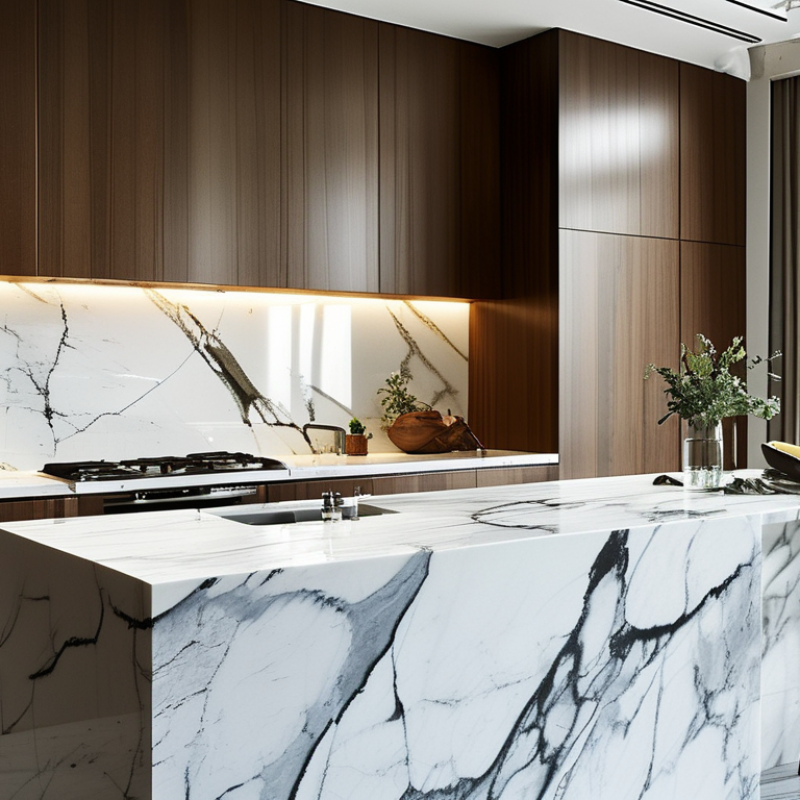
When considering the lifespan of a marble countertop, several factors come into play. One significant element is the type of marble itself. Some varieties are denser and more durable. Others are softer and can scratch easily. Regular maintenance also plays a crucial role. Frequent sealing can help protect the surface from stains and damage.
The usage pattern greatly influences marble's longevity. Heavy use in kitchens can lead to wear and tear. Spills from acidic substances can etch the surface. Regular cleaning with pH-neutral solutions is essential. Neglect can cause irreversible damage over time, leading to costly repairs.
Environmental factors shouldn't be overlooked. Heat from pots can crack the stone. Direct sunlight may fade the color, affecting its aesthetic appeal. Every home is unique, and customizing care to the environment is necessary. It's important to reflect on daily habits to ensure the marble remains in good condition.
| Factor | Description | Impact on Lifespan |
|---|---|---|
| Frequency of Use | How often the countertop is used for cooking and other activities. | High usage can lead to scratches and wear, shortening lifespan. |
| Maintenance Routine | Regular cleaning and sealing of the marble surface. | Proper maintenance can extend the lifespan significantly. |
| Type of Marble | Different marble types have varying durability levels. | More durable marbles may last longer under heavy use. |
| Usage Environment | Presence of heat, moisture, and acidic substances. | Harsh environments can lead to quicker degradation. |
| Sealing | Frequency and quality of sealing applied to the marble. | Regular sealing protects against stains and extends lifespan. |
| Cleaning Products Used | Types of cleaners that come into contact with the marble. | Harsh chemicals can damage the surface, reducing lifespan. |
: Common signs include scratches, dull spots, and discoloration. Heavy use contributes to these issues.
Properly maintained marble can last 20 years or more, depending on usage and maintenance.
Scratches often come from heavy pots or utensils. They can accumulate quickly and affect appearance.
Dull spots may emerge from staining agents like wine or coffee. These stains can penetrate deeper if untreated.
Regularly seal the marble to protect it from stains and scratches. Reapply every six months to a year.
Acidic cleaners can damage the marble surface, leading to etching and decreased beauty.
Use coasters and cutting boards. Wipe up spills immediately to prevent etching and stains.
Deeper cuts may require professional help. Regularly reflect on your countertop's condition for maintenance.
Yes, small scratches can often be polished out with proper techniques and products.
Use a pH-balanced soap with warm water. This approach is safe and effective for everyday cleaning.
When considering "What is the lifespan of a marble countertop with heavy use," it's essential to understand various factors that influence durability. Factors such as the quality of the marble, frequency of usage, and the care provided play significant roles in determining how long a countertop lasts. Signs of wear and tear, such as scratches, dullness, and staining, indicate that maintenance is needed to prolong the life of the surface.
To maintain marble countertops effectively, following best practices, such as regular sealing and cleaning with appropriate products, is crucial. Additionally, methods to assess any damage can include visual inspections and tests for heat resistance. Ultimately, if the surface has suffered extensive damage, it may be time to consider professional restoration or replacement to ensure both aesthetics and functionality are preserved.
