 Zahran Marble
Zahran Marble
Zahran Marble
When choosing marble for your project, understanding the differences between Carrara and Calacatta is essential. Carrara marble is famed for its soft white and gray veining. It is commonly used in both residential and commercial settings. In contrast, Calacatta marble is recognized for its bold, dramatic patterns and warmer hues. According to a report by the Marble Institute of America, the demand for high-quality marble has increased by over 25% in recent years.
How to tell the difference between Carrara and Calacatta marble can significantly influence design choices. Carrara often has a more subdued look, making it popular for classic designs. Calacatta’s striking appearance suits modern aesthetics. Industry experts note that selecting the right type can enhance a space's overall appeal.
However, technical details can be missed by novice buyers. The skill to differentiate these marbles requires experience. Observing the patterns, color saturation, and vein characteristics is vital. Despite extensive knowledge, some may still find the differences subtle. Hence, making an informed decision can sometimes feel daunting. A thoughtful approach is necessary when navigating these beautiful stones.
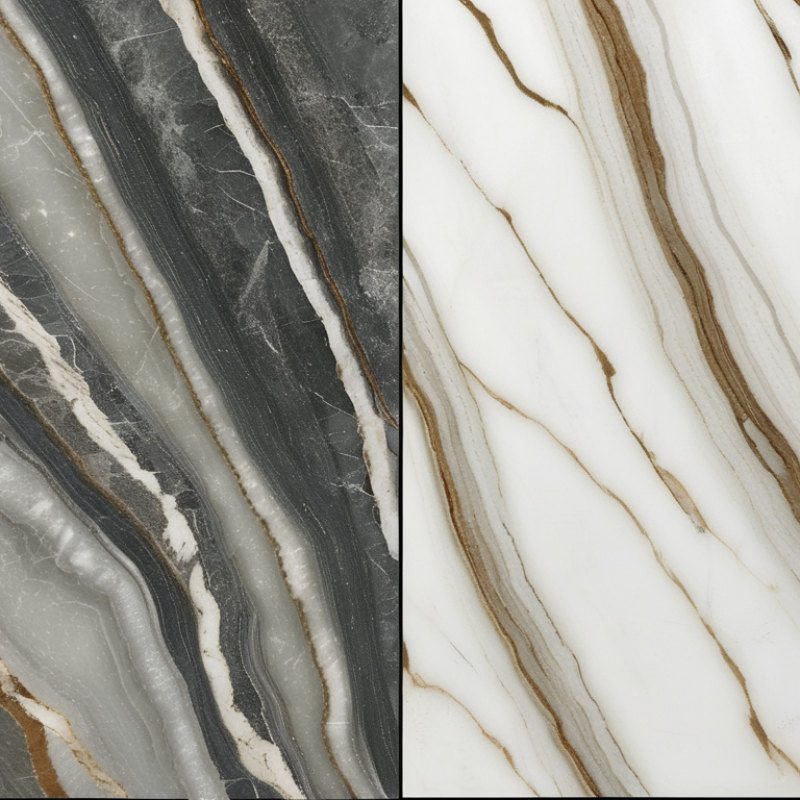
Carrara marble, renowned for its historical significance and timeless appeal, originates from the Tuscan region of Italy. It features a soft grey background, often with delicate veining in white or darker shades. Industry reports indicate that around 60% of marble sourced in Italy is Carrara, making it a staple for architects and designers. The subtle tones and patterns make Carrara an ideal choice for classic interiors.
The marble's formation process contributes to its unique characteristics. Carrara marble forms under specific tectonic conditions, which dictate its fine texture and veining. Studies show that the purest quality Carrara is the result of metamorphic processes lasting millions of years. However, not every slab meets these high standards. Variability in color and pattern can lead to inconsistencies. This variance may impact aesthetic decisions in high-end projects.
While Carrara has its strengths, it also poses challenges. This marble is susceptible to etching from acidic substances. Homeowners must be diligent in maintenance to preserve its beauty. Regular sealing can mitigate these risks, yet it requires commitment. Even professionals can find it daunting to navigate its upkeep in a busy environment. Recognizing both its allure and potential drawbacks is essential for informed choices in marble selection.
| Characteristic | Carrara Marble | Calacatta Marble |
|---|---|---|
| Color | Light Grey to White | White with Bold Veins |
| Veining | Soft, Subtle Veins | Thick, Dramatic Veins |
| Origin | Carrara, Italy | Carrara, Italy |
| Cost | Lower Cost | Higher Cost |
| Use Cases | Countertops, Flooring | Luxury Interiors, Feature Walls |
: Carrara marble is known for its historical significance and timeless aesthetic appeal. It features a soft grey background.
It forms under specific tectonic conditions over millions of years. The metamorphic processes contribute to its fine texture.
No, variability in color and pattern exists. This can lead to inconsistencies, impacting aesthetic choices in projects.
Carrara marble can be etched by acidic substances. Regular sealing is necessary to preserve its beauty and avoid damage.
Calacatta marble features bold, dramatic veining. Its unique patterns create a striking visual impact compared to Carrara's uniformity.
Look for distinctive patterns and veining. Each slab has unique characteristics, which require a keen eye to recognize differences.
Irregularities in veining are often seen as defects. However, they contribute to Calacatta's exclusive and unique appeal.
Yes, while visually stunning, its variability may confuse inexperienced individuals. Distinguishing features requires practice and understanding.
Yes, even experts find it challenging sometimes. The upkeep of marble can be daunting in busy environments, requiring constant attention.
It's essential to recognize both the allure and potential drawbacks of marble. Making informed choices can greatly impact the final outcome.
In the article "How to Differentiate Between Carrara and Calacatta Marble," a comprehensive analysis explores the distinct characteristics of both marble types. It outlines the unique features of Carrara marble, which is typically gray with softer veining, in contrast to Calacatta marble's bold, prominent veining and whiter background. The comparison of color variations highlights the nuanced differences that can help one identify these marbles more easily.
Furthermore, the article discusses the applications and industry preferences for each type of marble, along with key cost considerations, including pricing variations. For anyone interested in **how to tell the difference between Carrara and Calacatta marble**, understanding these distinguishing qualities is essential for making informed choices in design and renovation projects.
