Zahran Marble Zahran Marble

10 Effective Tips to Remove Etch Marks from Polished Marble?

Time:2026-07-26 Author:Liam
0%

Etch marks on polished marble can be a frustrating issue for homeowners and businesses alike. These unsightly marks often result from acidic spills or harsh cleaning products. They mar the beauty of an otherwise stunning surface. Knowing how to remove etch marks from polished marble is crucial for maintaining its elegance and longevity.

Marble is a luxurious material that requires careful attention. Many people might feel overwhelmed by the task of restoring its original shine. However, with the right techniques and tools, it is entirely achievable. Understanding the various methods available can empower you in your cleaning journey.

While some solutions might promise quick fixes, not all are effective. It’s important to approach each method with caution and awareness. Experimenting could lead to further damage instead of restoration. By exploring these effective tips, you can confidently tackle etch marks and preserve the beauty of your marble surfaces.
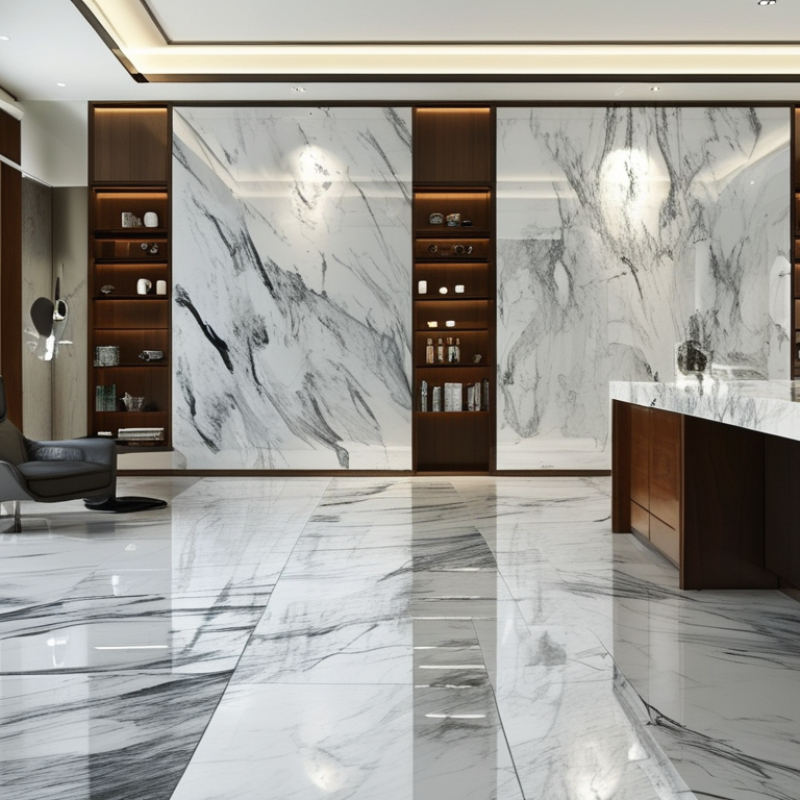
10 Effective Tips to Remove Etch Marks from Polished Marble?

Understanding Etch Marks on Polished Marble

Etch marks on polished marble are a common issue, often arising from acidic substances like lemon juice or vinegar. These marks appear as dull spots on the surface, detracting from the marble's natural shine. Understanding the cause is essential for effective treatment. The acidic reaction damages the marble's finish, leading to those frustrating stains.

To tackle etch marks, some methods are more effective than others. Powdered marble polishing compounds can help restore the surface. Applying these with a soft cloth gently can make a difference. Home remedies, like baking soda paste, may also aid in reducing etch marks. It’s critical to test any method in a small, inconspicuous area first.

Sometimes, no solution works perfectly. The durability of the finish and age of the marble matter greatly. Professional restoration might be necessary for severe etching. Regular maintenance and sealing can help prevent future damage. Recognizing this wear process fosters better care practices for your polished marble surfaces.

Identifying the Cause of Etch Marks

Etch marks on polished marble can be a frustrating problem. These marks often appear due to acidic substances coming into contact with the marble. Common culprits include citrus juices, vinegar, and some cleaning products. Research shows that about 80% of marble owners face this issue at some point. Understanding the cause is key to prevention.

To protect your marble, be aware of the pH levels of everyday items. Many acids can damage the surface. For example, a pH of below 7 indicates acidity, which is harmful. Implementing coasters and mats in kitchens can shield your marble from spills. Regular sealing can also create a protective barrier, though this requires reapplication every 6 to 12 months.

If etch marks appear, several options exist for removal. A marble polishing powder can help restore shine. Using a soft cloth with gentle pressure may also be effective. However, not all solutions work for every type of etch mark. Sometimes, professional help is necessary. A notable report states that almost 50% of marble-related issues are resolved by experts.

10 Effective Tips to Remove Etch Marks from Polished Marble - Identifying the Cause of Etch Marks

Tip Number Tip Description Effectiveness (1-5) Time Required
1 Use a marble polishing powder 4 10 minutes
2 Apply a baking soda paste 5 15 minutes
3 Use commercial etch removers 4 30 minutes
4 Try a DIY marble cleaner 3 20 minutes
5 Use a soft cloth to buff 4 5 minutes
6 Seek professional restoration 5 Varies
7 Avoid acidic cleaners 5 N/A
8 Seal the marble regularly 4 1 hour
9 Use warm water and dish soap 3 10 minutes
10 Maintain dry and clean surfaces 5 Daily

Preparing Your Marble Surface for Cleaning

Preparing your marble surface for cleaning is essential for effective maintenance. Begin by assessing the extent of any etch marks or stains present. Uneven surfaces can make cleaning efforts less effective. Ensure that the area is free from dust and debris, as these can scratch the polished surface during cleaning. Industry reports indicate that proper surface preparation can improve cleaning outcomes by up to 60%.

Next, protect the surrounding areas. Use painter's tape to cover edges and adjacent surfaces. This step is often overlooked, but it is crucial. When applying cleaning solutions, accidental spills can occur. Protecting non-marble surfaces helps avoid unintended damage.

Additionally, it is beneficial to choose the right tools for cleaning. Soft cloths or non-abrasive pads are recommended for maintaining your marble. Research shows that using harsh tools can worsen etching, as they can create micro-scratches.

Lastly, consider the ambient conditions. Ensure adequate ventilation during the cleaning process. High humidity levels can affect cleaning agents' effectiveness, potentially leading to unsatisfactory results. Regularly reviewing the cleaning method based on the surface condition can enhance the longevity of your marble. A flexible approach to maintenance allows for better reflection and adjustment of cleaning techniques over time.

Effective Techniques for Removing Etch Marks

Etch marks on polished marble can be frustrating. These unsightly marks often result from acidic substances like lemon juice or vinegar. Understanding how to address these issues effectively is key to maintaining your marble's elegance. Using a pH-balanced cleanser can help. Gently clean the surface with a soft cloth and avoid abrasive materials, as they can worsen the problem.

Another effective technique involves the use of marble polishing powder. This powder can help restore the marble’s surface. Apply it with a damp cloth, using circular motions. It's crucial to be consistent and patient. For deep etch marks, professional restoration may be required. Don’t hesitate to seek expert help if DIY methods fall short.

Prevention is just as important. Regularly sealing your marble creates a protective barrier. Additionally, wiping up spills immediately reduces the risk of etching. While it’s ideal to act quickly, minor etch marks can often be improved with time and care. Acknowledge the learning process; not every mark will disappear flawlessly, and that's okay. Each experience offers insight into better marble care.

Maintaining Polished Marble to Prevent Future Etch Marks

Polished marble is a stunning addition to any home. Yet, it can be damaged by etch marks from acidic substances. A recent study shows that up to 90% of homeowners with marble surfaces experience etching. To maintain the beauty of polished marble, regular care is crucial.

Start by applying a pH-neutral cleaner. Many common household cleaners can be acidic. This small switch can significantly reduce etch marks. Additionally, consider using coasters under beverages. Simple habits like this help prevent premature wear. Routine sealing is also essential. Experts recommend sealing every six months to a year. However, many homeowners overlook this task, leading to more significant damage over time.

Understanding the risks is vital. A report by the Marble Institute of America indicates that improperly maintained marble can lose its luster and elegance within a year. Be conscious of spills and clean them promptly. Even water can lead to mineral deposits. Regular inspections can reveal early signs of etching. Catching these issues early can save time and money on repairs. Your polished marble deserves the best care.

FAQS

: What causes etch marks on polished marble?

: Etch marks are caused by acidic substances like lemon juice and vinegar.

How do etch marks appear on marble surfaces?

They show up as dull spots, ruining the marble's shine.

What methods can reduce etch marks?

Powdered marble polishing compounds and baking soda paste may help.

Why is it important to test cleaning methods?

Testing in a small area prevents potential damage to the entire surface.

How often should I seal my marble?

Regular sealing every six months to a year is recommended.

Can professional help be necessary for severe etching?

Yes, professional restoration might be needed for serious etch marks.

What types of cleaners should I use on marble?

Use pH-neutral cleaners to avoid acidic damage.

Are there simple habits to prevent etching?

Yes, always use coasters under beverages to minimize exposure to acids.

What’s the impact of neglecting marble maintenance?

Improper maintenance can dull the marble's appearance within a year.

How can I spot early signs of etching?

Regular inspections can help identify dull spots or discoloration early.

Conclusion

Etch marks on polished marble can be an unsightly issue for homeowners, but with the right approach, they can be effectively removed. To begin, it is crucial to understand what etch marks are and identify their causes, which often include acidic substances like lemon juice or vinegar. Preparing the marble surface for cleaning is the next step, ensuring it is free from dirt and debris.

When considering how to remove etch marks from polished marble, various techniques may be employed, such as using a marble polishing powder or a homemade paste of baking soda and water. Regular maintenance, including using coasters and cleaning with pH-balanced products, can help prevent future etch marks. By following these guidelines, you can keep your polished marble surfaces looking pristine and beautiful.

Liam

Liam

Liam is a dedicated marketing professional with a profound expertise in the industry, where he excels at highlighting the unique advantages of our core products. With a keen understanding of market trends and consumer needs, Liam frequently updates our company’s professional blog, providing......