Zahran Marble Zahran Marble

10 Effective Tips to Sanitize Marble Surfaces Naturally?

Time:2026-06-26 Author:Sophia
0%

Maintaining marble surfaces can be challenging. Yet, it's crucial for preserving their beauty and longevity. "How to sanitize marble surfaces without harsh chemicals" is a growing concern among homeowners seeking eco-friendly solutions. According to Dr. Emily Carter, a renowned expert in natural cleaning methods, "Using harsh chemicals can damage your marble, so natural options are best."

Most people think of chemical cleaners for sanitizing. However, natural methods are often just as effective. Simple ingredients like vinegar, baking soda, and olive oil can work wonders. Incorporating these items into your cleaning routine not only protects your marble but also contributes to a healthier home.

Dr. Carter emphasizes the importance of gentle cleaning solutions. She states, "Natural cleaners preserve the integrity of the surface while ensuring your home remains toxin-free." Adopting these practices can help you enjoy your marble surfaces longer and with confidence. Awareness of natural alternatives is key. These effective and safe methods enable you to keep your marble clean and pristine while respecting both your family and the environment.
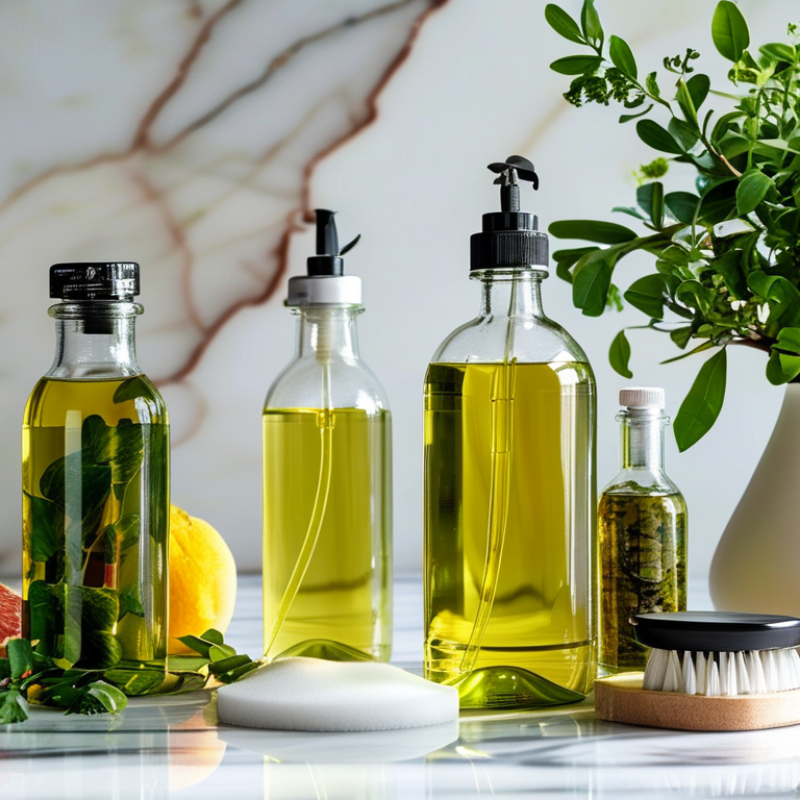
10 Effective Tips to Sanitize Marble Surfaces Naturally?

Understanding the Unique Properties of Marble Surfaces

Marble surfaces are celebrated for their elegance and timeless appeal. However, they possess unique properties that require special care. Marble is a metamorphic rock primarily composed of calcium carbonate. This composition makes it porous and susceptible to staining and etching from acidic substances. A report by the Marble Institute of America states that this porosity can lead to significant damage if not properly maintained.

Understanding marble's sensitivity to spills is crucial. Regular cleaning with harsh chemicals may result in dullness and discoloration. Instead, many experts suggest using natural cleaning solutions. A mixture of warm water and mild soap can safely sanitize the surface without compromising its shine. Some even recommend baking soda for tough stains, as it offers a gentler abrasive action that is safe for marble.

However, natural cleaning methods might not always provide a deep clean. It is important to assess whether the surface requires professional restoration. Neglecting this aspect can lead to irreversible damage, diminishing the aesthetic value of the marble. Regular sealing can also enhance its durability against stains, but many tend to overlook this important maintenance step. By understanding marble's unique properties, homeowners can enjoy its natural beauty while ensuring its longevity.

Common Sources of Bacteria and Stains on Marble

Marble surfaces are beautiful but can easily become contaminated. Common sources of bacteria include spilled food, moisture, and unclean hands. These elements lead to stains and potential health risks. Understanding these sources is the first step in effective sanitation.

To tackle these challenges, consider using natural solutions. A mix of baking soda and water creates a gentle paste. Apply it on stains, let it sit, then scrub with a soft cloth. This method effectively lifts grime while being safe for your marble.

Another tip is to use white vinegar diluted with water. This mixture serves as an excellent cleaner. It can eliminate bacteria without harsh chemicals. Wipe down surfaces regularly to maintain both cleanliness and shine.

Lastly, keeping your marble dry is essential. Excess moisture promotes bacterial growth. Make an effort to promptly clean up spills. By being proactive, you can enhance the durability and beauty of your marble.

Natural Cleaning Solutions for Marble Sanitization

When it comes to cleaning and sanitizing marble surfaces, natural solutions can be both effective and gentle. Vinegar is often recommended, but its acidity can damage marble. Instead, a mixture of warm water and mild dish soap works well. Just mix a few drops of soap in a bucket of warm water. Use a soft cloth to gently scrub the surface. This method can remove dirt and grime without harming the marble.

Baking soda is another excellent option. Create a paste by mixing baking soda with water. Apply it to stains and let it sit for a few minutes before rinsing. This approach can lift tough stains while being non-abrasive. For a fresh scent, consider adding a few drops of essential oils. However, test this on a small area first. Using natural ingredients tends to require more effort, but the results can be rewarding. You might need to repeat the process if the stains are stubborn.

Finally, remember that marble needs to be sealed regularly. Sealing helps prevent stains and damage. While the process can seem tedious, maintaining marble avoids costly repairs in the long run. Regular care will keep your surfaces looking beautiful and extend their lifespan.

Step-by-Step Guide to Safely Sanitize Marble Surfaces

Sanitizing marble surfaces can be challenging yet rewarding. To begin, gather natural cleaning solutions like vinegar and baking soda. According to the Marble Institute of America, utilizing mild pH solutions helps maintain marble's longevity. Fill a spray bottle with a mixture of water and a few drops of dish soap.

Apply this solution gently on the marble, avoiding harsh scrubbers. Instead, a soft cloth is best for preventing scratches. Remember that marble is porous; it absorbs substances easily. Therefore, prompt cleaning of spills is crucial. A recent study highlighted that untreated marble surfaces harbor bacteria, which can lead to contamination.

After cleaning, consider using a mixture of baking soda and water as a paste. Apply it to stubborn stains and let it sit for 5-10 minutes before rinsing. While natural methods are safe, always patch-test any solution in an inconspicuous area first. This approach can prevent potential damage and ensure peace of mind. Each marble surface has unique sensitivity; thus, regular maintenance is vital. Dirt and grime can accumulate, making regular cleaning essential for visibly elegant surfaces.

10 Effective Tips to Sanitize Marble Surfaces Naturally

Tips for Maintaining Marble after Natural Sanitization

Marble surfaces can lose their sheen over time. After sanitizing them naturally, proper maintenance is key. Regularly dust the surface with a soft cloth. This will help prevent scratches and keep dirt at bay. Choose a gentle microfiber cloth, as it won’t dull the finish.

Spills should be cleaned immediately to avoid stains. Use a pH-neutral cleaner to protect the marble. It's important to avoid acidic substances like lemon juice or vinegar. Over time, these can eat away at the surface. Additionally, avoid using harsh scrubbers that might leave scratches.

Consider applying a marble sealer periodically. This adds a protective layer to the surface. Sealing once a year can enhance durability. Note that if the marble looks dull, it may indicate a need for refinishing. Over time, wear and tear are normal. Regular maintenance is essential for longevity. Embracing this process can give you more pride in your beautiful marble surfaces.

FAQS

: What are the main properties of marble surfaces?

: Marble is a porous metamorphic rock composed mainly of calcium carbonate. This makes it sensitive to stains.

How can I clean marble surfaces safely?

Use warm water mixed with mild soap and a soft cloth to clean marble carefully without scratching.

Are natural cleaning solutions effective for marble?

Yes, natural solutions reduce damage. Baking soda can lift stains while being gentle on marble surfaces.

Why is sealing marble important?

Regular sealing prevents stains and enhances durability. Many people overlook this, leading to costly repairs later.

Can vinegar be used on marble?

No, vinegar is too acidic for marble. It can damage the surface instead of cleaning it.

How often should I clean marble?

Regular cleaning is essential. Accumulated dirt can affect the marble's appearance and increase bacteria levels.

What if my marble has tough stains?

Create a baking soda paste for stubborn stains. Apply it, let it sit, then rinse it off carefully.

Is it necessary to seek professional restoration?

If the surface shows serious damage or dullness, professional help may be needed to restore its beauty.

How can I add a fresh scent while cleaning?

Consider adding a few drops of essential oils to your cleaning solution, but test it first on a small area.

What should I do if spills occur on marble?

Promptly clean any spills to prevent absorption. Quick action helps maintain the marble's integrity and appearance.

Conclusion

Marble surfaces are cherished for their beauty but require careful maintenance due to their porous nature. Understanding the unique properties of marble is crucial, as they can harbor bacteria and stains from common sources like spills and dirt. To ensure cleanliness without harmful substances, it's essential to learn how to sanitize marble surfaces without harsh chemicals.

Incorporating natural cleaning solutions like vinegar and baking soda can effectively combat grime and prevent bacterial growth. Following a step-by-step guide can help safely sanitize marble surfaces while preserving their luster. Additionally, adopting maintenance tips post-sanitization will prolong the integrity and aesthetic appeal of your marble, ensuring it remains a stunning feature in your home.

Sophia

Sophia

Sophia is a dedicated marketing professional with an exceptional depth of knowledge about her company's products and services. With a keen understanding of market trends and customer needs, she crafts insightful blog posts that not only inform but also engage readers, enriching the company’s online......