Zahran Marble
Marble floors are known for their elegance and beauty, yet they require careful maintenance. Many homeowners grapple with the question of how to clean marble floors without stripping the wax. According to the National Floor Safety Institute, improper cleaning methods can lead to dullness and uneven surfaces. Using the right techniques is crucial to preserve the integrity of marble.
Professional cleaning reports suggest that many people use harsh chemicals, which can damage the wax layer. A survey indicated that 73% of homeowners may not know effective cleaning methods, leading to potential costly repairs. This highlights the importance of understanding the best practices. Some cleaning solutions can even alter the stone's pH, resulting in discoloration.
To maintain the natural luster of marble floors, it is essential to adopt proper cleaning strategies. Techniques that involve gentle, pH-balanced solutions can help avoid wax stripping. However, the journey to perfect maintenance is not without its challenges. It requires consistent effort and a willingness to adapt. Recognizing these needs is key to achieving the desired outcome.
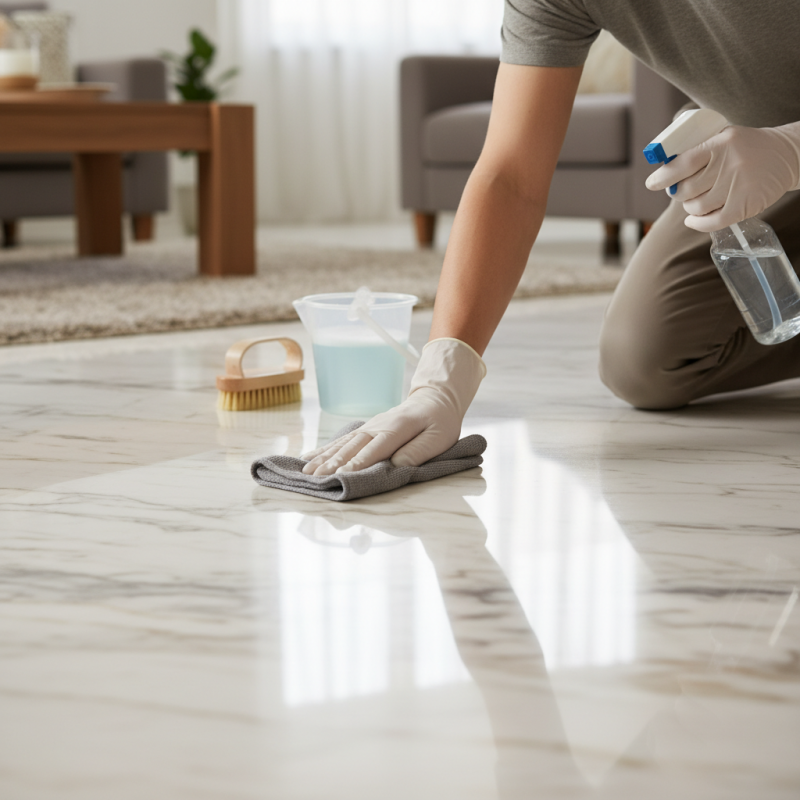
Cleaning marble floors requires a careful approach. Choosing the right cleaning products is crucial. Traditional cleaners can be too harsh and might damage the delicate surface. Experts suggest using pH-neutral cleaners to maintain marble's shine. According to the Marble Institute of America, improper cleaning can lead to etching, a common problem that diminishes the stone's beauty.
Tips for selecting products: Always avoid acidic solutions. Vinegar and lemon juice are often cited as no-go items. They can cause irreversible damage to marble surfaces. Instead, opt for products specifically labeled as safe for marble. These are formulated to clean without harming the stone.
Consider using soft cloths or microfiber mops. They won't scratch the surface. Regular cleaning schedules help prevent dirt accumulation. Daily sweeping removes debris that could scratch the marble. According to industry research, a consistent cleaning routine can extend the lifespan of your floors. However, be cautious, as not all so-called "marble safe" products are truly gentle. Always perform a spot test in an inconspicuous area before widespread use.
Preparing your marble floors for cleaning is essential for maintaining their elegance. Start by removing loose dirt and debris. Use a soft broom or vacuum to prevent scratches. Pay attention to corners where dust tends to accumulate.
Tip: Consider using a microfiber cloth for dusting. This material traps dirt effectively without leaving lint behind.
Next, inspect your floors for any stains or spots. A damp cloth can help identify areas needing extra attention. Take note of any discoloration or etches on the surface.
Tip: If you find tough stains, avoid harsh chemicals. Instead, create a paste using baking soda and water. This gentle solution can lift stains without damaging your marble.
Finally, ensure the room is well-ventilated. Open windows or use fans to help dry surfaces after cleaning. Proper airflow can prevent moisture from settling on the marble, which may lead to future issues. Keeping your marble floors clean can be a challenge, but the results are worth the effort.
Marble floors can be stunning, but they require special care. Cleaning them effectively is crucial to maintain their beauty. Here’s a straightforward guide to help you clean marble without using wax stripping.
Start by gathering your materials. You need a soft mop, a pH-neutral cleaner, and warm water. Dip the mop into the cleaning solution. Wring it out until it's damp, not soaking. Excess water can damage marble. Next, sweep or vacuum the floor to remove dirt and debris. Pay close attention to corners and under furniture, where dust tends to accumulate.
When mopping, move in sections. This helps you monitor your progress. If you encounter stubborn stains, don’t scrub hard. Use a soft cloth with the cleaner. Patience is key here. Sometimes, stains may require repeated efforts. After cleaning, rinse the floor with clean water to remove any soap residue. Dry the floor immediately with a soft towel. Leaving it wet could lead to streaks or water spots. Be mindful; improper care can lead to dullness over time. Regular maintenance is essential to keep your floors looking vibrant.
When it comes to maintaining the beauty of marble floors, drying and polishing play crucial roles. After cleaning, it’s essential to allow your marble floor to dry thoroughly. Use a soft, dry mop or cloth to absorb excess moisture. You may notice some areas take longer to dry than others. Uneven drying can lead to streaks, so keep an eye on these patches.
Once the floor is dry, you can move on to polishing. Choose a high-quality marble polish or a simple solution of baking soda and water. Apply the polish sparingly, using a soft cloth or a pad designed for marble. It’s important not to over-apply, as this can create a build-up that dulls the surface. You might find certain spots appear brighter than others post-polish, indicating uneven application.
For optimal results, buff the floor in small sections. This approach ensures that every inch gets the attention it needs. Don’t rush the process; take your time to reassess areas lacking shine. Keep in mind that consistency is key. Regular maintenance helps prevent buildup and keeps marble looking its best. It’s a learning curve; embrace the imperfections, and adjust your technique as needed.
Maintaining marble floors is essential to prevent future damage. Their beauty can easily be overshadowed by scratches and stains. Regular cleaning is important. Use a soft broom or microfiber dust mop to remove loose dirt. This step helps prevent scratches.
For deeper cleaning, a mixture of warm water and pH-neutral cleaner works best. Avoid harsh chemicals that can dull the surface. Wipe the floor gently with a damp cloth. Remember to dry the area thoroughly to prevent water spots.
Consider applying a sealer to protect your marble. This step may seem unnecessary, but it can prevent stains. Even a small spill can lead to discoloration over time. Reseal every year for maximum protection. Regular maintenance will help keep your floors looking pristine.
| Cleaning Method | Frequency | Materials Needed | Benefits |
|---|---|---|---|
| Mild Detergent Solution | Weekly | pH-neutral detergent, warm water, mop | Gentle on marble and effective at removing dirt |
| Baking Soda Paste | Monthly | Baking soda, water, soft cloth | Removes stains without scratching |
| Vinegar & Water Solution (Diluted) | Monthly | Distilled vinegar, water, spray bottle | Natural cleaner, can help with dullness |
| Professional Polishing | Yearly | Professionals, diamond pads | Restores shine and protects surface |
: Use pH-neutral cleaners designed for marble. Avoid traditional and acidic cleaners.
No, vinegar can cause irreversible damage to marble surfaces. Avoid it at all costs.
Daily sweeping is recommended to prevent dirt buildup. A regular cleaning schedule is crucial.
Use a soft, dry mop or cloth to absorb excess moisture. Ensure they dry evenly to avoid streaks.
Always perform a spot test in an inconspicuous area. This helps prevent unwanted damage.
Use a quality marble polish or a baking soda solution. Apply sparingly with a soft cloth.
Regular care prevents buildup and maintains the floor's shine. It can be a learning process.
Look for uneven application. Some spots may appear dull or bright. Take your time to even it out.
Not always. Some products may still be harsh. Check labels and do a spot test first.
Embrace the learning curve. Adjust your method based on what works and what doesn’t.
Cleaning marble floors can be a delicate task, especially when trying to avoid damage like wax stripping. In our guide on how to clean marble floors without stripping the wax, we emphasize the importance of choosing the right cleaning products specifically designed for marble. Preparing your floors before cleaning is crucial; make sure to sweep away dust and debris to prevent scratches.
The step-by-step process involves using a gentle cleanser and soft cloths to mop the surface, followed by thorough drying to avoid water spots. After cleaning, polishing your marble floors can restore their natural shine, completing the process effectively. Lastly, maintaining your marble floors through regular light cleaning and protective measures can prevent future damage and keep them looking beautiful.
