Zahran Marble
Deep scratches on a marble dining table can be frustrating. They detract from the beauty of your furniture and may seem daunting to repair. However, knowing how to fix deep scratches in a marble dining table can restore its elegance and functionality. This guide aims to provide practical steps for tackling this common issue, empowering you with the skills to achieve professional results at home.
Marble is a timeless material, known for its charm and durability. Yet, it is vulnerable to scratches and surface damage. Many people feel overwhelmed when they see these imperfections. It’s easy to think that professional help is necessary. Yet, with the right techniques, you can effectively address these deep scratches yourself. This approach not only saves money but also allows for personal involvement in maintaining your home.
As you embark on this repair journey, some methods might not yield perfect outcomes. It’s crucial to remain patient and open to learning. Each attempt can teach you something new about caring for marble. Whether the scratches are minor or significant, understanding how to fix deep scratches in a marble dining table can enhance your skills in home maintenance.
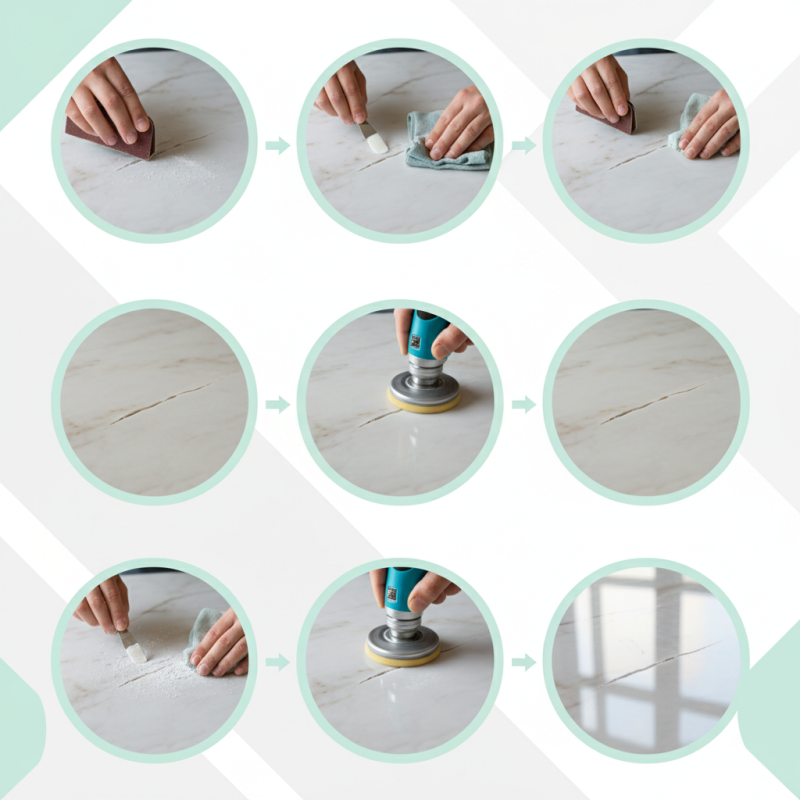
When dealing with deep scratches on marble surfaces, identifying the type is crucial. There are generally two categories of scratches: superficial and penetrating. Superficial scratches affect only the surface layer of the marble. These can often be polished out with minimal effort. However, penetrating scratches go deeper into the stone. They may require more extensive repairs.
For superficial scratches, you might use a gentle polish. A soft cloth and some marble polishing powder can work wonders. It's a fast and straightforward approach. On the other hand, penetrating scratches demand a different strategy. You may need a professional-grade marble repair kit. This typically includes a resin that fills the scratch and matches the marble's color. Using the wrong method can lead to inconsistent results or further damage.
It’s easy to overlook minor scratches until they become deep issues. Regular maintenance can prevent this. A simple wipe-down with pH-neutral cleaners can keep the surface safe. The frequency of cleaning also matters. Waiting too long between cleanings may cause more wear. So, take a moment each week to check for new scratches. Address them early to maintain the beauty of your marble dining table.
When addressing deep scratches in a marble dining table, gathering the right tools is crucial. Many homeowners underestimate the importance of having quality materials. Typically, a marble repair kit, fine-grit sandpaper, and polishing compound are essential. According to industry reports, approximately 70% of homeowners fail to use appropriate products, leading to ineffective repairs.
Additionally, a clean microfiber cloth and water will help ensure the surface is ready for treatment. The scratch repair process can be delicate. Many apply excessive pressure when using sandpaper. This often results in additional surface damage. Reports indicate that a gentle approach reduces the risk of further scratches by over 50%.
Preparation is key here. Marble surfaces require specific attention. Not all tools work for every type of scratch. Familiarizing yourself with the characteristics of your marble is essential. Studies show that understanding the stone’s density can significantly influence the choice of materials and methods used in repair efforts. Inappropriately undertaken repairs may lead to unsatisfactory results and increased frustration.
When dealing with deep scratches on a marble dining table, a careful, step-by-step approach is essential. Start by gathering your materials. You'll need a marble polishing powder, a few clean, soft cloths, and water. Having these items ready will make the process smoother and more efficient.
The first step is cleaning the area around the scratch. Use a soft cloth with warm water to remove any dust or dirt. This prepares the surface for repair and allows optimal adhesion of the polishing powder. After cleaning, mix the marble polishing powder with a small amount of water. Aim for a paste-like consistency. Apply the mixture directly to the scratch using a cloth. Rub gently in circular motions. Remember, patience is key. It’s not uncommon for this process to take longer than expected, requiring multiple applications.
Once you finish applying the paste, allow it to sit for several minutes. This gives the product time to work into the scratch. Afterward, buff the area with a clean cloth. You might not achieve perfection on the first try, and that’s okay. Assess the results and repeat steps if necessary. Fine-tuning your technique can lead to improved outcomes each time.
Polishing the surface of a marble dining table can make all the difference after repairing deep scratches. Once the scratches are fixed, you may notice unevenness in the marble’s finish. Use a light polishing compound specifically designed for marble. Apply it sparingly with a soft cloth. Work in small sections to ensure even coverage. Rubbing in circles will help restore the table's shine.
After polishing, the finishing touches are vital. A gentle wipe with a clean, damp cloth removes any residue. For an extra layer of protection, consider adding a marble sealer. This step not only enhances the shine but also prevents future scratches. However, be cautious—too much sealer can leave an undesirable film. Always follow the manufacturer’s guidelines.
It is crucial to assess the results after polishing. Did the color return to its original vibrancy? If not, it may require additional polishing or even professional refinishing. Keep in mind that every piece of marble is unique. Each scratch tells a story, but a good finish can help rejuvenate your beloved furniture. Consider revisiting the care routine to maintain that fresh look.
When it comes to preserving the beauty of your marble dining table, proactive measures are key. Marble, while elegant, is susceptible to scratches. A study by the Marble Institute indicates that around 30% of homeowners experience surface damage due to everyday use. To prevent scratches, consider using coasters and placemats for dishes and drinks. These simple tools act as barriers against rough surfaces and accidental drops.
Additionally, regularly cleaning the table with a soft cloth helps maintain its sheen. Avoid harsh chemicals that can erode the surface. According to the Natural Stone Institute, nearly 50% of marble damage can be attributed to improper cleaning methods. It's prudent to use a pH-neutral cleaner designed for stone surfaces. Some homeowners fail to recognize the importance of routine maintenance, leading to more significant issues over time.
Lastly, ensure that heavy objects are not dragged across the marble surface. Heavy items can create unintentional scratches. The risk increases with a lack of awareness about the surface material. Investing in a thorough understanding of your marble furniture can save future headaches. Taking these preventive measures today may keep your table looking pristine for years.
: There are two main types: superficial and penetrating scratches. Superficial scratches affect the surface only.
You can often polish them out using a soft cloth and marble polishing powder. It’s a quick method.
Penetrating scratches often need a professional-grade repair kit. This includes resin to fill the scratch.
Regular maintenance helps. Clean it weekly with pH-neutral cleaners to keep the surface safe.
Start by cleaning the scratched area with a soft cloth and warm water. This prepares the surface for repair.
Mix the powder with a little water for a paste. Apply it to the scratch using a cloth and rub gently.
Assess the area after buffing. If the color isn’t restored, you may need to repeat the process.
Polish the marble surface with a light polishing compound, rubbing in circles to restore its shine.
Consider adding a marble sealer for protection against future scratches. Be careful with the amount used.
If the color isn’t vibrant, more polishing may be needed, or professional refinishing might be necessary.
If you're wondering how to fix deep scratches in a marble dining table, it's essential to begin by identifying the types of scratches present on the surface. This helps in selecting the appropriate tools and materials needed for the repair. Once you gather everything, you can follow a step-by-step process that involves cleaning the area, applying a filler if necessary, and then carefully sanding and polishing the affected spot to restore its original finish.
After successfully repairing the scratches, polishing the entire table will enhance its luster and disguise any repair marks. To prevent future scratches on your marble table, consider applying protective coasters, tablecloths, or ensuring that heavy objects are handled carefully. By following these guidelines, you can maintain the beauty of your marble dining table for years to come.
