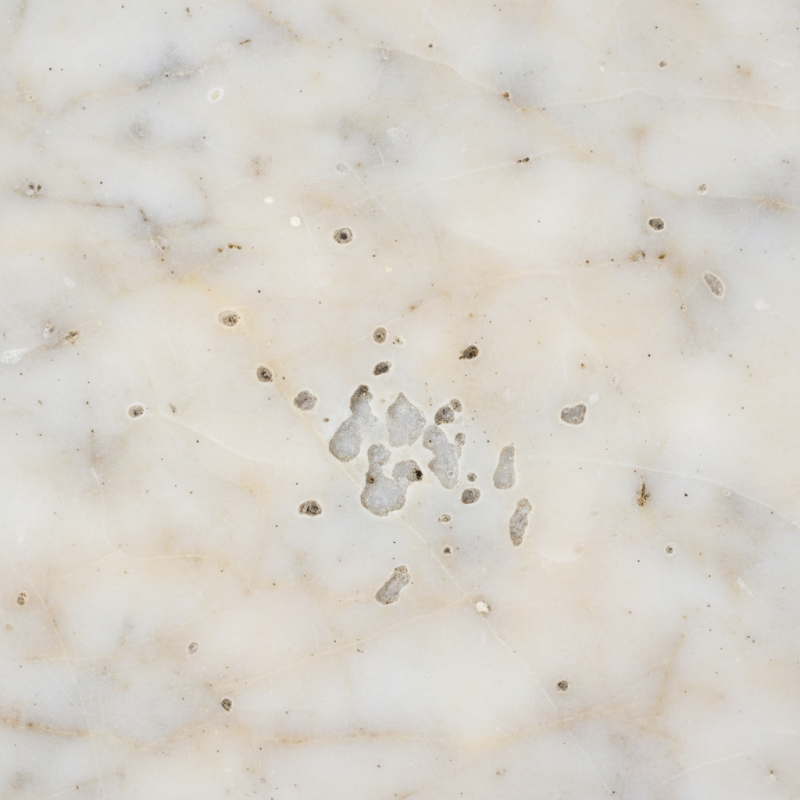
Old marble surfaces exude charm and history, yet they often show signs of age. One common issue is pitting. Homeowners frequently ask, "What causes pitting in old marble surfaces?" This question encompasses a range of factors, including environmental influences and wear over time.
Pitting often manifests as small, shallow depressions on the surface. These imperfections not only detract from the marble's beauty but also expose it to further damage. Understanding the causes can help in prevention and restoration.
Chemical reactions, moisture, and physical abrasion all play a role. Acidic substances can etch the marble, leading to pitting. Similarly, improper cleaning techniques may worsen the surface. It’s essential to analyze factors that contribute to this issue. Recognizing these details can guide towards avoiding further deterioration and preserving the marble's integrity for years to come.
Understanding the Basics of Pitting in Marble Surfaces
Pitting in marble surfaces is a common issue, particularly in older installations. This phenomenon occurs when small depressions form on the surface, leading to a rough texture. Understanding the causes of pitting involves examining the interplay between marble's inherent properties and external factors. Marble, primarily composed of calcium carbonate, can react adversely to acidic substances, which significantly contributes to its deterioration. Studies indicate that approximately 70% of surface damage can be attributed to chemical reactions with cleaners or spills.
Moisture is another critical factor. Prolonged exposure to water can lead to the development of pitting. In environments with high humidity levels or improper sealing, water infiltration can erode the surface. A report from the Natural Stone Institute reveals that over 60% of marble failures stem from inadequate maintenance and environmental exposure. Many homeowners overlook regular cleaning and sealing, which exacerbates the pitting issue.
Understanding the characteristics of marble is essential. It is a porous stone, and its vulnerability means it requires detailed care. While some pitting is unavoidable due to age, proactive measures can slow down the process. However, it's challenging to maintain marble in high-traffic areas or settings frequenting acidic materials. Reflecting on your marble's wear can help implement better upkeep strategies. Experience shows that small changes in care can lead to significant improvements in longevity.
Common Causes of Pitting in Old Marble: An Overview
Pitting in old marble surfaces is a common issue that significantly affects aesthetics. Several factors contribute to this deterioration. One major cause is the chemical reaction between marble and acidic substances. These acids can originate from spills of lemon juice, vinegar, or even common household cleaners. The National Stone Institute estimates that 25% of marble damage results from improper cleaning products.
Additionally, environmental factors lead to pitting. High humidity and temperature fluctuations can cause the stone to expand and contract. This can weaken the marble’s surface. A study by the Marble Institute reveals that approximately 40% of stone degradation is due to environmental wear.
Lastly, wear and tear from foot traffic can accumulate over time. When heavy items are dragged across marble, it can create micro-abrasions, leading to pitting. Regular maintenance can mitigate these issues, but many homeowners overlook this critical aspect. Assessing the underlying causes can help in formulating effective restoration plans. Understanding these factors is essential for preserving the beauty of marble surfaces.
How to Identify What Causes Pitting in Old Marble Surfaces? - Common Causes of Pitting in Old Marble: An Overview
| Cause |
Description |
Impact |
Prevention |
| Acidic Substances |
Exposure to acids can damage the surface of marble, leading to pitting. |
Can create uneven surfaces and decrease aesthetic value. |
Use coasters and avoid spills of acidic beverages. |
| Improper Cleaning |
Using abrasive cleaners can scratch and erode marble surfaces. |
May accelerate wear and damage surface appearance. |
Use pH-neutral cleaners made for marble. |
| Moisture & Humidity |
Excess moisture can lead to mold and deterioration of marble integrity. |
Leads to increased pitting and structural weaknesses. |
Maintain proper ventilation and use dehumidifiers. |
| Physical Damage |
Chips and scrapes can occur from heavy objects or sharp tools. |
Affects visual appeal and can worsen without repair. |
Use protective pads under heavy items and avoid dropping tools. |
| Environmental Pollutants |
Pollution can settle on surfaces, leading to chemical reactions. |
Can alter color and lead to deeper pitting over time. |
Regular cleaning and sealing can help mitigate effects. |
Environmental Factors Contributing to Marble Pitting
Marble surfaces, especially older ones, often suffer from
pitting. Environmental factors play a significant role in this degradation. One major contributor is
acid rain, which can have a pH as low as 4.0, much weaker than normal rainwater. This acidic moisture erodes the calcium carbonate in marble,
leading to surface damage. Additionally, pollution levels have increased, exposing marble to
sulfur dioxide and nitrogen oxides, which further contribute to the deterioration.
Another environmental factor is
humidity. High moisture levels create an ideal environment for biological growth like mold, which can lead to pitting.
UV exposure from sunlight can also cause the marble to fade and become more susceptible to damage.
According to a 2021 report from the National Park Service, over 60% of historic marble buildings in urban areas
show signs of deterioration due to these environmental elements.
Tip: Regularly clean marble surfaces with pH-neutral cleaners.
Avoid harsh chemicals that can worsen pitting.
Extreme weather changes impact marble integrity as well.
Freeze-thaw cycles can cause water within the stone to expand and contract, creating micro-cracks that lead to pitting.
Even maintenance practices, if not performed correctly, can contribute to the issue. For instance, using abrasive tools can scratch the surface, leading to further damage.
Tip: Inspect marble regularly for signs of wear. Early detection can mitigate extensive damage.
Chemical Reactions Leading to Pitting in Marble Surfaces
Pitting in old marble surfaces is often a result of various chemical reactions. Acidic substances can react with the calcium carbonate in marble, leading to deterioration. Common culprits include acidic cleaners, lemon juice, or even rainwater with high acidity. Each interaction can create small, uneven pockmarks known as pits. These imperfections are visually unappealing and can worsen over time.
Another factor contributing to pitting is the presence of moisture. Water can seep into the marble, especially if it's unsealed. When this moisture evaporates, it can leave behind minerals that crystallize on the surface. This process can further scratch and pit the marble, creating a cycle of damage. The environment plays a significant role as well; areas with higher pollution levels may accelerate this process.
Understanding these chemical reactions is crucial for preserving marble surfaces. Regular maintenance and the right cleaning methods can help limit the damage. Still, there’s no perfect solution. It requires ongoing effort and observation. Keeping an eye on how marble responds to its environment can offer valuable insights into the health of the surface.
Preventive Measures and Restoration Techniques for Affected Marble
Pitting in old marble surfaces can be a frustrating problem. It often arises from environmental factors and improper maintenance. To address this issue, it's vital to implement effective preventive measures. Regular cleaning with gentle, pH-balanced solutions is essential. Avoid harsh chemicals, as they can erode the marble surface further. Dusting frequently helps prevent scratches that can lead to deeper pits.
In terms of restoration techniques, filling pits with an epoxy resin can visibly improve the surface. Many experts recommend a diamond polishing pad to restore shine. However, these methods require careful execution. Over-polishing can worsen the situation. A balanced approach is necessary. Not all techniques work the same for every marble type. It's wise to test a small area first.
Consider consulting a professional with experience in marble care. Their expertise can guide you toward the right solution. Always stay informed about the best practices in marble maintenance. A little reflection on past mistakes can shape the future care of your marble surfaces.
Conclusion
Pitting in old marble surfaces is a common issue that can significantly affect the stone's aesthetics and integrity. Understanding what causes pitting in old marble surfaces involves exploring both environmental and chemical factors. Common causes include the presence of acidic substances, prolonged exposure to moisture, and various pollutants that can erode the marble over time. These environmental elements can weaken the marble's structure, leading to the formation of pits and cavities.
To combat and prevent further damage, it's crucial to implement preventive measures such as regular cleaning and sealing, as well as employing restoration techniques for already affected areas. By addressing the underlying causes, owners can maintain the beauty and durability of their marble surfaces for years to come.
 Zahran Marble