Marble is a beautiful and durable material, often used in kitchens for countertops. However, many homeowners notice cracks forming near heat sources, like stoves. Understanding the question, "Why does marble crack near heat sources like stoves?" is crucial for maintaining the aesthetic and functional value of kitchen surfaces. Renowned stone expert Dr. Helen Carter explains, “Heat creates stress within the marble, causing it to expand and crack.”
As marble is a natural stone, its properties can become vulnerable under extreme temperature fluctuations. When exposed to intense heat, the surface can experience rapid expansion, leading to internal stress points. These stress points often manifest as visible cracks, particularly in areas where heat is most concentrated.
Additionally, the location of stoves means that spills and splashes can exacerbate the issue. Even minor heat exposure can cause long-term damage if not managed properly. Homeowners should reflect on their kitchen habits to protect their marble surfaces from these damaging effects. Understanding the dynamics of heat and marble can lead to better care and preservation techniques for these elegant surfaces.
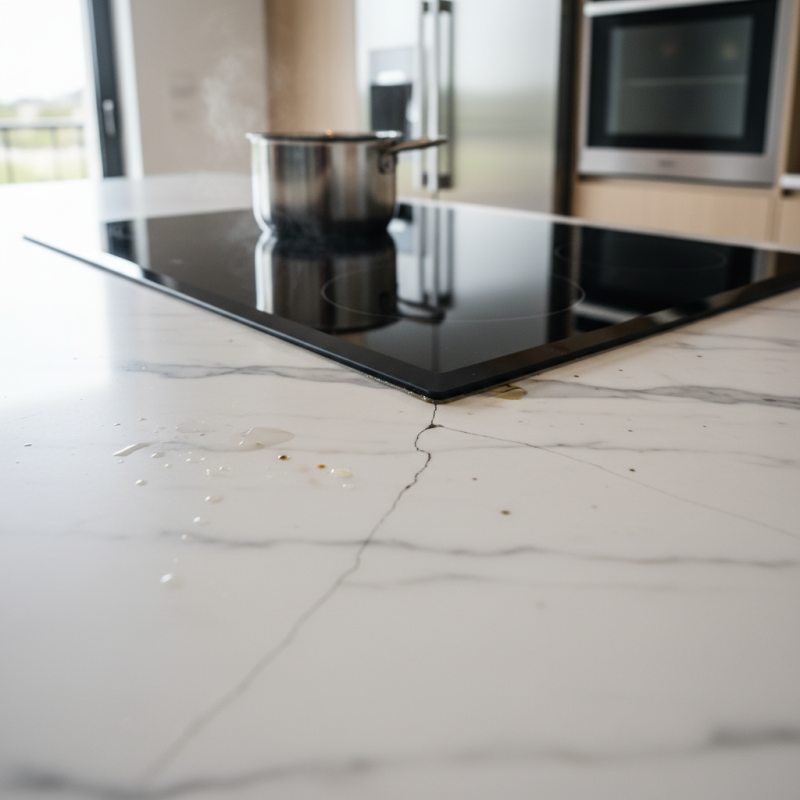
Understanding Marble Composition and Its Properties
Marble is a metamorphic rock composed mainly of calcite or dolomite. Its beauty comes from the intricate patterns and colors, making it a preferred choice for countertops and flooring. However, marble has a natural weakness: it can crack when exposed to intense heat. This risk increases significantly near stoves and other heat sources.
The crystalline structure of marble makes it sensitive to temperature changes. When marble is subjected to heat, it expands. Sudden temperature fluctuations can cause stress, leading to cracks. The composition of marble, including its mineral content, plays a role in how it reacts to heat. Certain types may be more resilient, while others are more prone to damage.
Heat resistance varies across different marble types. Some may withstand heat better, yet no marble is completely impervious. Homeowners often mistakenly believe that marble is as durable as granite, but it requires careful handling. Understanding the properties of marble is essential for maintenance and longevity, especially in kitchens.
The Impact of Heat on Marble: Thermal Expansion Explained
Marble is a beautiful choice for countertops, but it has its vulnerabilities. One key issue is thermal expansion. This occurs when materials heat up and expand, then cool down and contract. Marble, composed mainly of calcium carbonate, responds significantly to temperature changes. Near stoves and heat sources, marble is particularly susceptible to cracking.
High heat can cause stress points in marble. When one area expands rapidly, while nearby areas do not, tension builds. This is especially true for thick slabs. Over time, cracks may form, compromising both aesthetics and integrity. Even minor heat fluctuations can create problems. At the same time, the alignment of veins and patterns in the marble can make these cracks more apparent.
Understanding the behavior of marble under heat is crucial. Homeowners should consider heat shields or protective pads for appliances. Regular care can help minimize damage over time. Observing cracks early can prevent further deterioration. Being aware of marble's limitations allows for better maintenance, ensuring it remains a stunning feature in the kitchen.
Common Causes of Cracking in Marble Near Heat Sources
Marble is a beautiful choice for countertops and flooring, but it can crack, especially near stoves and heat sources. High temperatures can weaken the marble's structure. Sudden temperature changes can also lead to stress fractures. This is a common issue that homeowners should be aware of.
One major cause of cracking is direct heat exposure. When pots or pans are placed directly on marble surfaces, the heat can create localized stress. Over time, this can lead to visible cracks. Another factor is improper installation. If the marble is not properly sealed or if there are gaps, heat can penetrate and cause damage.
To prevent cracking, keep hot items off marble surfaces. Use trivets to protect the marble from direct heat. Consider installing a heat-resistant mat near the stove to absorb some of the heat. Regular maintenance is key. Keep marble sealed and clean to reduce the risk of cracks. If you notice a crack, consult a professional for repair options. Taking these steps can help preserve the marble’s beauty.
Preventive Measures to Protect Marble from Heat Damage
When it comes to marble surfaces near stoves, heat damage is a common concern. Temperatures exceeding 200 degrees Fahrenheit can compromise marble integrity. Reports from the Natural Stone Institute suggest that thermal shock often leads to cracks and discoloration in marble. Proper prevention measures are critical for maintaining the aesthetic and structural quality of marble.
One effective way to protect marble is to use protective mats or trivets. These barriers can be placed between hot cookware and the marble surface, creating a thermal shield. According to a study by the Marble Institute, increasing the use of such mats reduces the risk of heat-related damage by up to 70%. Additionally, ensuring proper ventilation in the kitchen can help mitigate heat buildup, further preserving the marble's condition.
Regular maintenance is also essential. Sealants can provide an extra layer of protection, helping to fend off both heat and stains. It's important to reapply these sealants every 6 to 12 months for maximum effectiveness. While some homeowners believe that marble is impervious to heat, ongoing education about its vulnerabilities is necessary to prevent costly repairs.
Why Does Marble Crack Near Stoves and Heat Sources? - Preventive Measures to Protect Marble from Heat Damage
| Cause of Cracking |
Temperature Range (°F) |
Preventive Measures |
Recommended Products |
| Direct Heat Exposure |
Above 200°F |
Use trivets or heat mats |
Silicone mats, stone trivets |
| Rapid Temperature Changes |
N/A |
Avoid placing hot items directly on marble |
Heat resistant pads |
| Moisture and Heat Combination |
Approx. 100-150°F |
Seal marble regularly |
Marble sealers |
| Poor Installation |
N/A |
Hire professional installers |
Installation services |
| Chemical Reactions |
N/A |
Use pH-neutral cleaners |
pH-neutral stone cleaner |
Repairing and Maintaining Cracked Marble Surfaces
Marble surfaces often crack near stoves and heat sources due to temperature fluctuations. When the stone heats up quickly, it expands. As it cools down, it contracts. This constant cycle stresses the marble, leading to cracks over time. If you notice cracks forming, it’s essential to address them promptly.
Repairing cracked marble is both an art and a science. Begin by cleaning the area thoroughly to remove any grease or dirt. A mixture of water and mild detergent works well. Next, assess the size of the crack. Small cracks can be filled with epoxy or a special marble repair kit. Larger cracks may require professional attention, as improper repairs can worsen the damage.
Preventative measures can also help maintain your marble surfaces. Use trivets and heat mats to shield the stone from direct heat. Regular sealing can protect against stains and minor damage. However, remember that even with the best care, imperfections may occur. It's part of the marble's natural beauty. Embracing these flaws can be a reminder of the material’s character and history.
FAQS
: Cracks often occur near heat sources due to high temperatures and sudden temperature changes.
Direct heat can weaken marble’s structure, leading to visible cracks over time.
Avoid placing hot pots or pans directly on marble surfaces.
Use trivets and heat-resistant mats to shield your marble from direct heat.
Clean the area and assess the crack. Small ones can be filled with epoxy; larger ones need professionals.
Regular sealing and cleaning reduce the risk of cracks and stains on marble surfaces.
Yes, imperfections are part of marble's natural beauty and character. Embrace them.
Check for improper installation or gaps that may have allowed heat penetration.
It's not recommended. Larger cracks may worsen with improper repairs.
A mixture of water and mild detergent is effective for cleaning marble surfaces.
Conclusion
Marble is a popular choice for countertops and surfaces due to its beauty and durability; however, many wonder, "Why does marble crack near heat sources like stoves?" The answer lies in the unique composition and properties of marble. When exposed to heat, marble undergoes thermal expansion, leading to stresses that can result in cracks, especially when combined with other factors such as sudden temperature changes or impact from heavy objects.
To mitigate these issues, it is essential to understand common causes of cracking and implement preventive measures, such as using trivets or heat-resistant mats near stoves. Regular maintenance and timely repairs can also help protect marble surfaces from heat damage and prolong their lifespan. By being aware of these factors, homeowners can preserve the integrity and aesthetic of their marble countertops.
 Zahran Marble
