Zahran Marble Zahran Marble

Why is My Marble Turning Yellow After Installation?

Time:2026-07-31 Author:Madeline
0%

When installing marble, homeowners expect a beautiful finish. However, many find themselves asking, "Why is marble turning yellow after installation?" This phenomenon can be perplexing. Several factors contribute to this unwanted change in color.

One common cause is moisture trapped beneath the surface. This can happen during the initial installation process. If water or adhesive isn't entirely dry, yellowing can occur. Another potential factor involves the type of marble used. Some varieties are more prone to discoloration over time.

Additionally, cleaning products can play a significant role. Harsh chemicals can react with marble, leaving yellow stains. Regular maintenance is essential, but it must be done correctly. Reflecting on these causes may help homeowners prevent future issues and keep their marble looking pristine.
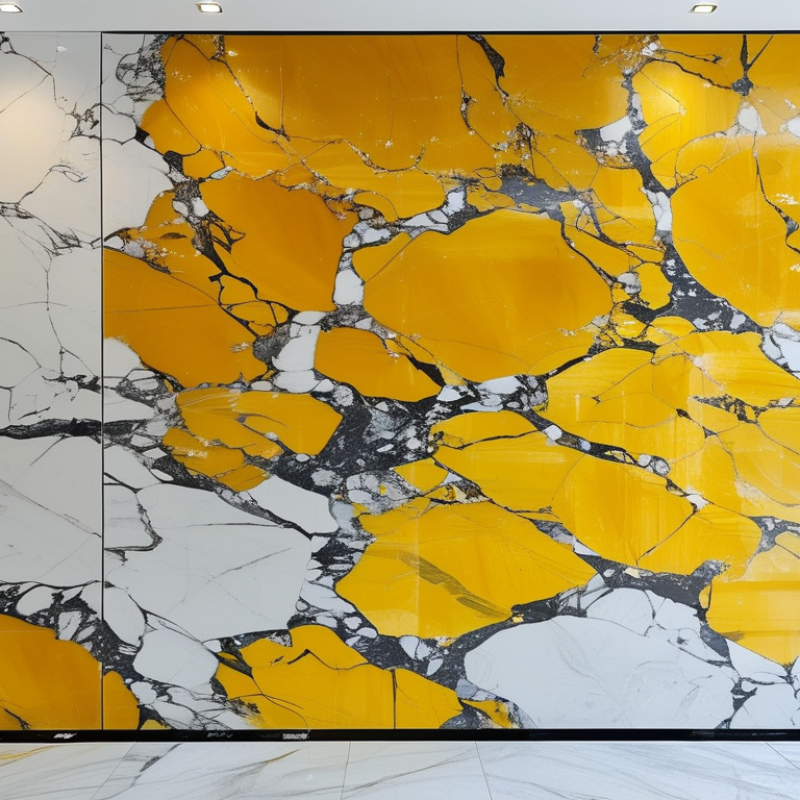
Why is My Marble Turning Yellow After Installation?

Common Causes of Yellowing in Marble After Installation

Marble is a popular choice for countertops and floors, but it can develop a yellow tint over time. Understanding the common causes of this yellowing helps homeowners protect their investment. One significant factor is the natural reaction of marble to moisture. If water seeps into the stone, it can lead to discoloration.

Another cause is the use of harsh cleaning products. Chemicals found in many household cleaners can damage the marble’s surface. These products can strip away protective sealants, allowing stains to penetrate more easily. Regular maintenance is crucial, which can often be overlooked.

Lastly, improper installation can contribute to yellowing. If the marble is not sealed properly, it becomes vulnerable to stains. Even sunlight exposure can alter its color over time. Homeowners should be aware of these issues. Regular inspections and professional assistance may help maintain the marble’s beauty and integrity.

Why is My Marble Turning Yellow After Installation? - Common Causes of Yellowing in Marble After Installation

Cause Description Recommended Action
Moisture Trapped moisture can cause discoloration, leading to yellowing. Ensure proper sealing and ventilation to reduce moisture buildup.
Chemical Exposure Exposure to harsh cleaning products or chemicals can stain marble. Use pH-neutral cleaners specifically designed for natural stone.
Oil Stains Oil from food or cleaning products can seep into marble, causing yellowing. Clean spills immediately and apply a stone-specific oil stain remover.
Sunlight Exposure UV rays can lead to fading and discoloration of marble over time. Use UV-blocking window films or cover marble areas with rugs.
Lack of Maintenance Infrequent cleaning and sealing can contribute to marble discoloration. Regularly clean and seal marble surfaces to maintain their appearance.

The Impact of UV Exposure on Marble Yellowing

Marble is a stunning choice for flooring and countertops, but it can turn yellow over time. One major culprit is UV exposure. Sunlight can break down the resins used in polishing marble, leading to a yellow tint. This discoloration is not just unattractive; it can also hide the natural beauty of the stone.

To protect your marble, consider using window treatments. Curtains or blinds can minimize direct sunlight. Applying a UV-blocking sealant can also help. Regular cleaning with a pH-neutral solution keeps the surface fresh and prevents buildup.

Be mindful of the environment where your marble is installed. High exposure to UV light increases the chance of yellowing. If you notice yellow stains, it’s essential to identify the cause early. Ignoring the problem will only make it worse. Treat your marble with care to maintain its elegance and vibrancy.

How Chemical Reactions Contribute to Marble Discoloration

Marble discoloration often stems from chemical reactions occurring post-installation. The natural stone is porous, absorbing substances easily. When exposed to acidic cleaners or spills, a reaction can trigger color changes. For instance, the presence of iron or organic materials can lead to yellowing.

Research indicates that nearly 30% of marble surfaces experience discoloration within the first year after installation. Factors like humidity and heat amplify these chemical processes. Many homeowners overlook how environmental conditions affect marble integrity. A simple spill can initiate discoloration that spreads rapidly.

In some cases, improper sealing allows contaminants to penetrate the surface. As moisture accumulates, minerals within the marble react, producing unsightly stains. A recent study highlighted that untreated marble is at least twice as likely to develop discoloration compared to properly sealed alternatives. Awareness of these chemical interactions is crucial for maintaining the aesthetic appeal of marble surfaces.

Preventative Measures for Maintaining Marble's Original Color

Yellowing of marble can be disheartening. To maintain its pristine look, proper care is essential. A study by the Natural Stone Institute shows that untreated marble can oxidize, leading to discoloration. The presence of iron in the stone is a significant factor contributing to this yellowing. This is particularly common in warm, humid environments, where moisture can exacerbate the oxidation process.

Preventative measures are vital. Regular sealing is recommended. Sealing creates a barrier against moisture and stains. According to the Marble Institute of America, sealing should occur at least once a year. Additionally, use pH-balanced cleaners that do not contain acids. Acids can etch the surface, making discoloration more likely. Even simple habits, like wiping spills immediately, can prevent damage.

Beyond cleaning, consider environmental conditions. High humidity and poor ventilation can worsen marble's condition. Using a dehumidifier can help maintain an optimal environment. Monitoring these factors can prolong the life and appearance of your marble. Remember, diligence in care can keep your marble looking as beautiful as the day it was installed.

Causes of Marble Yellowing Over Time

This bar chart illustrates the potential causes of marble yellowing after installation, highlighting the percentage impact of factors such as improper sealing and chemical exposure. Proper care can help maintain the original color of the marble.

Industry Insights: Longevity and Care for Marble Surfaces

Marble surfaces are a popular choice for their elegance and durability. However, maintaining their pristine look requires attention and care. Over time, even high-quality marble can show signs of discoloration. Yellowing is a common issue that can arise from various factors, such as exposure to harsh chemicals or improper sealing.

To ensure the longevity of your marble surfaces, it's crucial to implement proper care routines. Regular cleaning with pH-neutral solutions can prevent buildup that leads to discoloration. Avoid using acidic or abrasive cleaners, as they can damage the natural stone. Seal your marble periodically to protect it from stains and moisture absorption. This proactive approach can significantly extend the life of your marble.

Still, even with the best intentions, homeowners may make mistakes. It’s easy to overlook small spills or neglect regular maintenance. Reflecting on these habits can help identify areas for improvement. Learning from past experiences can guide better care strategies for marble surfaces, ensuring they remain beautiful for years to come.

FAQS

: What causes marble discoloration?

: Chemical reactions from spills and acidic cleaners often cause discoloration in marble.

How often does marble discoloration occur?

Research shows nearly 30% of marble can discolor within the first year of installation.

What environmental factors affect marble?

Humidity and heat can amplify the chemical processes that lead to discoloration.

Can improper sealing contribute to discoloration?

Yes, improper sealing allows contaminants to penetrate and cause stains.

How can I maintain my marble surfaces?

Regular cleaning with pH-neutral solutions and periodic sealing can help maintain marble looks.

What should I avoid when cleaning marble?

Avoid using acidic or abrasive cleaners; they can damage the stone's surface.

Is untreated marble more prone to discoloration?

Yes, untreated marble is at least twice as likely to develop discoloration compared to sealed marble.

Can small spills affect marble?

Yes, small spills can initiate rapid discoloration if not cleaned promptly.

What mistakes do homeowners make with marble care?

Homeowners often overlook small spills and neglect regular maintenance, leading to issues.

How can I improve my marble care routine?

Reflect on past mistakes and adjust cleaning habits for better marble care results.

Conclusion

The article titled "Why is My Marble Turning Yellow After Installation?" explores the various factors contributing to the discoloration of marble surfaces. One of the main reasons identified is prolonged UV exposure, which can lead to a yellowing effect over time. Additionally, the chemical reactions between marble and certain substances, including adhesives and cleaners, can exacerbate this issue, causing unsightly stains.

To preserve the original color of marble, preventative measures are essential. These include using UV protective coatings and being cautious with cleaning agents to avoid adverse reactions. The article also provides insights into the proper care and maintenance of marble surfaces, emphasizing that with the right approach, the longevity of marble can be significantly enhanced, preventing the common concern of "Why is marble turning yellow after installation?" from occurring.

Madeline

Madeline

Madeline is a dedicated marketing professional with a wealth of expertise in our company's core offerings. With a keen understanding of the industry, she brings a unique perspective to her role, consistently delivering high-quality content that highlights the superior aspects of our products. As......