Zahran Marble
When it comes to maintaining light marble surfaces, preventing red wine stains is essential. According to a report by the National Stone Institute, 70% of homeowners overlook proper marble care. This negligence often results in costly repairs and replacements. Experts emphasize that effective prevention measures can save both time and money.
John Marino, a renowned stone restoration expert, notes, "Light marble surfaces require careful care, especially when red wine is involved." His insight highlights the importance of proactive maintenance. Regular sealing and immediate clean-up can significantly reduce the risk of staining.
Understanding how to prevent red wine stains on light marble is crucial for any marble owner. Simple practices, like using coasters and promptly addressing spills, can make a big difference. However, many still underestimate the urgency of these actions. Being aware of marble's porous nature is just the beginning of effective care.
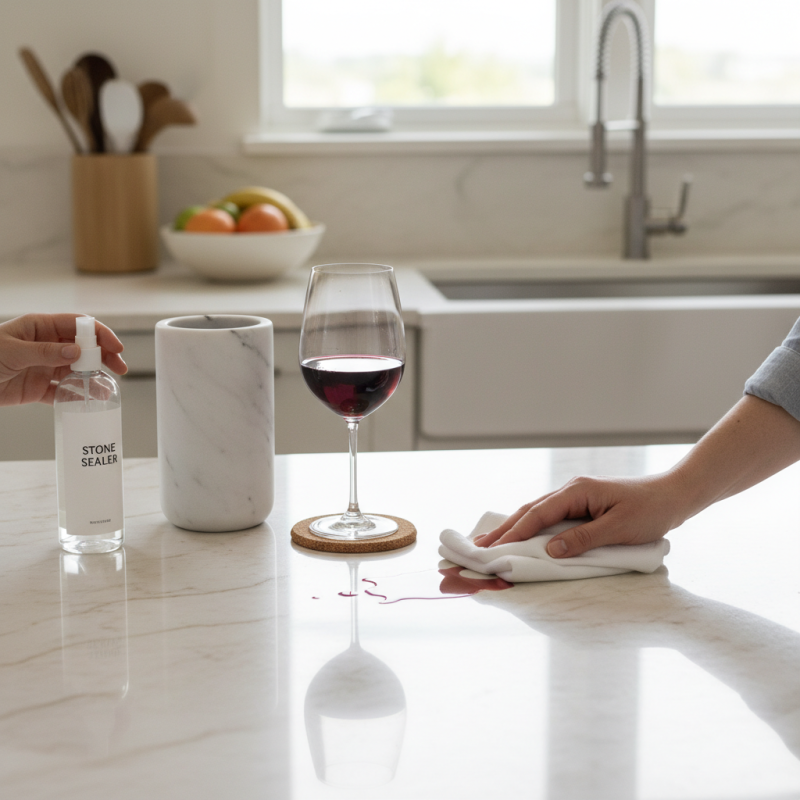
The porosity of light marble surfaces significantly influences how they react to red wine stains. Marble is a natural stone, characterized by tiny pores and fissures. These microscopic spaces can absorb liquids quickly, making it easy for red wine to settle into the surface. Once absorbed, stains become much harder to remove.
Understanding the porosity helps in formulating prevention strategies. Regular sealing of marble can create a protective barrier, repelling the liquid before it seeps in. However, not all sealants are equally effective. Over time, wear and tear can compromise their effectiveness. It's crucial to regularly check the sealant and reapply it as needed to maintain an optimal level of protection. Additionally, cleaning up spills immediately can mitigate any potential staining, but often, life gets in the way. We can be careless and not act quickly enough, leading to regrettable stains.
Engaging with light marble requires constant vigilance. Observing the way light interacts with the surface can help determine its condition. A dull appearance indicates that the marble may need re-sealing. Regular maintenance and mindful use can prevent unsightly stains and preserve the beauty of light marble surfaces.
When it comes to preventing red wine stains on light marble surfaces, awareness is key. Recent studies show that around 85% of households report accidental stains from red wine. Such stains can ruin marble's elegant appearance. To mitigate this risk, immediate action is essential. Blotting the area with a clean cloth can help absorb the wine before it sets in.
Applying a sealant can also be a game changer. Professionals recommend a good-quality stone sealant, which creates a protective barrier. It can reduce stain absorption by up to 90%, according to industry data. However, even a sealant isn't foolproof. Regular maintenance and reapplication every six to twelve months are crucial for effective protection.
Consider using coasters and decorative trays when serving red wine. These small changes can significantly decrease the chance of spills. Remember, prevention is often overlooked but vital. Everyone can be careless, and stains happen. Reflecting on the importance of these practices may help protect your beautiful marble surfaces.
Choosing the right sealant for your light marble surfaces is crucial. Some sealants offer better stain resistance than others. Typically, penetrating sealants provide good protection without altering the marble's appearance. They work by soaking into the stone and creating a barrier. This barrier helps repel red wine and other stains effectively.
However, not all sealants are created equal. Some may require reapplication every few months. Others may last longer but are more challenging to apply. Evaluating the conditions and usage of your marble is essential. Will it be in high-traffic areas? Or will it see occasional use? Your answer will influence your sealant choice.
It's equally important to maintain your marble surfaces. Regular cleaning is necessary to prevent stains from setting. Even with sealants, spills should be wiped immediately. Waiting too long can lead to permanent marks.
Consider the long-term impact of your chosen sealant. Does it require special cleaning products? Is there a chance it could cause discoloration over time? These reflections can help ensure your efforts in stain prevention are effective.
Accidents happen. A glass of red wine can easily tip over, leaving an unsightly stain on light marble. Acting quickly is crucial when these spills occur. Spills should be addressed immediately to reduce damage. Blot, do not wipe. Use a soft cloth to absorb excess wine without spreading it further.
For quick clean-up, create a paste with baking soda and water. Apply generously over the stain. Allow it to sit for about 10 minutes. Rinse it off with a damp cloth. This mixture is gentle and won’t scratch the marble. If the stain persists, you may need a more robust solution. Use a mixture of hydrogen peroxide and mild dish soap, but test it first in an inconspicuous area.
Preparation is key in maintaining marble surfaces. Prevention is better than cure. Keep coasters handy and avoid placing red wine near the marble. Accidental spills can happen, but being ready with effective cleaning solutions makes a big difference. Embrace the possibility of stains with a proactive cleaning approach.
| Prevention Method | Description | Immediate Action | Recommended Cleaning Solution |
|---|---|---|---|
| Use Coasters | Always place coasters under wine glasses to prevent direct contact with the marble surface. | If a spill occurs, blot immediately with a clean cloth. | Damp cloth with warm water. |
| Seal the Marble | Applying a sealant can help protect marble surfaces from stains. | Wipe the area with a clean damp cloth. | Mild pH-neutral cleaner. |
| Act Quickly | Prompt action decreases the chance of staining. | Immediately blot the stain, don’t rub. | Commercial stain remover for marble. |
| Use Tablecloths | Cover tables with tablecloths during wine serving to absorb spills. | Remove cloth and check for spills underneath. | Stain remover as needed based on the fabric. |
| Educate Guests | Inform guests about the importance of careful handling of drinks near marble surfaces. | Encourage immediate reporting of spills. | Have cleaning supplies readily available. |
Marble surfaces are stunning but require special care to maintain their integrity. To prevent red wine stains, it’s crucial to take proactive steps. Regular cleaning is essential, but deep care goes beyond daily maintenance.
One effective tip is to seal your marble surfaces regularly. A good sealant can create a barrier against liquid spills. This helps reduce staining risks. It is wise to apply a sealant every six months. However, remember that even sealed marble is not completely stain-proof. Accidents can happen, and quick action is vital.
Another tip involves immediate cleaning. If red wine spills, blot the area with a soft cloth. Avoid rubbing, as this can spread the stain. After blotted, clean the area with a pH-neutral cleaner. It is important to test any cleaning solution on a small area first. This ensures compatibility with your marble.
Consider using coasters under glasses and decanters. This simple step can prevent many stains. Remember, maintaining marble surfaces is an ongoing commitment. The more effort you put into care, the longer your marble will stay beautiful.
: Porosity influences how light marble absorbs liquids, making it susceptible to stains like red wine.
Regular sealing of marble creates a barrier against spills. Reapply sealant every six months for best results.
Blot the spill immediately with a soft cloth. Avoid rubbing, and then clean with a pH-neutral cleaner.
Not all sealants work equally well. Wear and tear can reduce their effectiveness over time.
A dull appearance often indicates it's time to reseal the marble surface for better protection.
Regular cleaning is important, but deeper care is needed to prevent permanent stains and maintain appearance.
Yes, using coasters under glasses can prevent many stains from occurring on marble surfaces.
Immediate action is essential. Delays can lead to regrettable, lasting stains on marble.
Always use a pH-neutral cleaner. Test any new cleaner on a small area before full application.
To effectively address the question of how to prevent red wine stains on light marble, it’s essential first to understand the porosity of the marble surfaces. Light marble is particularly susceptible to staining due to its porous nature, which allows liquids to penetrate easily. Therefore, employing best practices such as using coasters and immediately wiping spills can make a significant difference.
Additionally, utilizing recommended sealants can enhance the marble's resistance to stains and help maintain its pristine condition. In the event of a spill, having effective cleaning solutions on hand is crucial for an immediate response to prevent long-lasting damage. Lastly, long-term maintenance tips, such as regular cleaning and resealing, are vital for preserving the integrity of the marble surfaces. By implementing these strategies, homeowners can significantly minimize the risk of red wine stains on light marble.
