Zahran Marble Zahran Marble

How to Reduce Slipperiness on Polished Marble Stairs?

Time:2026-07-02 Author:Sienna
0%

Polished marble stairs add elegance to any home but can pose safety hazards. The slippery surface increases the risk of falls, especially for children and the elderly. Understanding how to reduce the slipperiness of polished marble stairs is crucial for homeowners. Dr. Jane Smith, a renowned safety expert in home design, emphasizes, “Even the most beautiful stairs can be dangerous if proper precautions aren’t taken.”

To enhance safety, various solutions exist. Applying anti-slip treatments can create more grip on the surface. Additionally, using decorative rugs or strips can further reduce sliding. Regular maintenance is vital, as dirty or worn surfaces can become even more slippery. Homeowners must remain aware of how everyday activities affect stair safety.

Finding effective methods to ensure safety is often overlooked. Enhancing the beauty of polished marble while prioritizing safety requires reflection and care. Balancing aesthetics and function is key. Regularly assessing these solutions is necessary to maintain a safe environment for all.
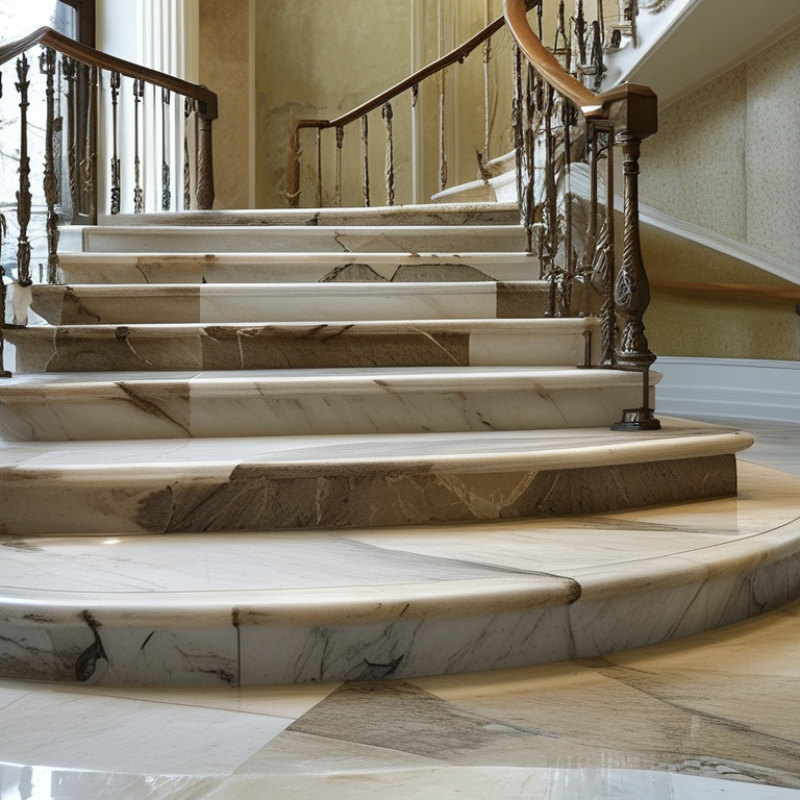
How to Reduce Slipperiness on Polished Marble Stairs?

Understanding the Causes of Slipperiness on Polished Marble Stairs

Polished marble stairs are elegant but can be dangerously slippery. This is often due to the inherent smoothness of the marble surface, which can lead to accidents. According to reports by the National Floor Safety Institute, approximately 1 million slip-and-fall injuries occur each year in the U.S. alone. The high gloss finish enhances the visual appeal, but it compromises safety, especially in high-traffic areas.

Several factors contribute to the slipperiness of polished marble. Moisture is a significant factor. A damp surface can easily turn a pristine marble stair into a hazardous one. Even simple water droplets pose a risk. Also, dirt and grime accumulation can further reduce traction. Regular cleaning, however, may not always help, as some cleaning agents can leave a residue that exacerbates slipperiness.

Understanding the importance of traction is crucial. The American National Standards Institute (ANSI) suggests that a coefficient of friction (COF) of 0.5 or higher is acceptable for safety. Many polished marbles fall below this threshold when wet. This data indicates a need for proactive measures to increase safety. Exploring options like anti-slip treatments or textured surface designs can mitigate the risks while ensuring the marble maintains its aesthetic appeal.

How to Reduce Slipperiness on Polished Marble Stairs?

Cause of Slipperiness Description Prevention Method
Wet Surfaces Water or other liquids create a slick surface, increasing the risk of slipping. Use non-slip mats and immediately clean up spills.
Polished Finish A highly polished marble surface can be very smooth, leading to slipperiness. Consider applying a non-slip treatment or etch the surface to improve traction.
Dust and Debris Accumulation of dust, dirt, or pet hair can create a slick layer on stairs. Regularly clean the stairs to remove debris and maintain a safe surface.
Improper Footwear Shoes with smooth soles can slip easily on polished surfaces. Encourage the use of shoes with good traction on stairs.

Evaluating Surface Treatments for Enhanced Traction on Marble

Polished marble stairs offer elegance but can be perilously slippery. To enhance traction, a variety of surface treatments can be applied. Among these, anti-slip coatings serve as a popular choice. These coatings create a rougher texture on the surface, which can help increase friction. However, the effectiveness of these treatments may vary, depending on the specific marble type and the conditions of use.


Another method is the use of slip-resistant vinyl or rubber overlays. These materials can be adhered directly to the marble. They provide a soft surface for better grip while retaining the marble's beauty. It’s essential to consider that different climates can impact the longevity and effectiveness of these overlays. The ideal solution may require testing various options.


Additionally, regular maintenance is crucial. Cleaning agents can wear down treatments over time and reduce traction. Choosing the right cleaning products is vital. Some solutions might leave a residue that compromises grip. Regular inspections can help identify areas where traction is lost, prompting timely interventions before accidents occur.

Utilizing Non-Slip Mats and Treads for Safety on Marble Stairs

Polished marble stairs are beautiful but can be dangerously slippery. To enhance safety, consider using non-slip mats and treads. These products provide traction and can help prevent slips and falls. They come in various designs, suiting any decor while ensuring functionality.

When selecting non-slip mats, look for durable materials that can withstand foot traffic. Mats should cover high-risk areas, such as landings and transitions. Treads, which are typically adhesive strips, can be applied directly to the marble surface for added grip. Ensure that these treads are positioned closely together for maximum coverage.

Here are a few tips:
- Regularly inspect mats and treads for wear.
- Clean surfaces frequently to avoid grease accumulation.
- Encourage users to wear appropriate footwear on stairs.

Implementing these measures will promote safety without compromising the elegance of your polished marble stairs.

Implementing Routine Maintenance for Long-lasting Slip Resistance

Polished marble stairs can be stunning but also hazardous. Implementing routine maintenance is crucial for ensuring long-lasting slip resistance. A study from the National Safety Council highlighted that over 30% of falls occur on stairs, emphasizing the need for proper care. Regular cleaning helps eliminate dust and oils that contribute to slipperiness. Using a dedicated marble-safe cleaner will maintain the surface while avoiding damage.

Additionally, applying anti-slip coatings can enhance grip significantly. Research shows that treated surfaces can improve traction by up to 70%. Routine inspections are also necessary. Visual checks for any wear, cracks, or changes are essential and often overlooked. A simple slip test can help assess the surface's friction under wet or dry conditions.

Failure to maintain these stunning stairs not only increases risks but might lead to costly repairs. Not every solution fits every scenario; the effectiveness of cleaning products can vary greatly due to the marble's unique characteristics. Regular maintenance may seem like a chore, but it is vital to ensure safety and enhance the longevity of polished marble stairs.

Slip Resistance on Polished Marble Stairs: Maintenance Impact

This chart illustrates the increase in slip resistance on polished marble stairs following routine maintenance over various time periods. The coefficient of friction improves significantly after each maintenance session, highlighting the importance of regular upkeep to ensure safety on marble surfaces.

Choosing the Right Cleaning Agents to Avoid Slippery Residue

Maintaining polished marble stairs can be tricky. The choice of cleaning agents significantly influences slipperiness. Many homeowners overlook this detail, leading to hazardous surfaces. According to industry reports, using the right cleaning products can reduce slipperiness by up to 50%. However, improper cleaning agents can leave behind a slick residue.

Opt for pH-neutral cleaners specifically designed for marble. Traditional floor cleaners often contain harsh chemicals. These residues create a slippery layer on polished surfaces. For instance, vinegar is a common household cleaner that many believe is safe. In reality, it can etch the marble, making it more dangerous over time. Observations indicate that many accidents occur due to this negligence in cleaning choices.

Moreover, regular maintenance is vital. Even the best cleaners won’t work if dirt and grime accumulate. A simple weekly wipe with a damp microfiber cloth can prevent build-up. Remember, what might seem effective initially could lead to more significant issues later. Protecting marble stairs is not just about cleanliness; it's about safety.

FAQS

: Why are polished marble stairs slippery?

: They are slippery due to their smooth surface, which can lead to accidents.

How does moisture affect marble traction?

Moisture makes the surface more hazardous. Even small water droplets create risks.

What is the acceptable coefficient of friction for safety?

A coefficient of friction (COF) of 0.5 or higher is considered acceptable for safety.

Can regular cleaning to improve traction be effective?

Regular cleaning is important, but some agents can leave residue that worsens slipperiness.

What are some options to enhance traction on marble?

Anti-slip coatings, textured surfaces, and rubber overlays can increase traction.

How do anti-slip coatings work?

They create a rougher texture, improving friction on the marble surface for safety.

What should be considered when using slip-resistant overlays?

Different climates may affect their longevity and effectiveness on marble stairs.

Why is regular maintenance important for marble stairs?

It helps identify traction loss and prevents accidents from occurring.

What is a common mistake when cleaning polished marble?

Using the wrong cleaning products can leave slippery residues on the surface.

How can I ensure marble stairs maintain their beauty and safety?

Choose appropriate treatments, clean regularly, and inspect for wear consistently.

Conclusion

To effectively address the issue of slipperiness on polished marble stairs, it is essential to understand the underlying causes, such as the smooth surface of the marble that reduces traction, especially when wet. In the article, various strategies are explored on how to reduce the slipperiness of polished marble stairs, including evaluating surface treatments designed to enhance traction. Non-slip mats and treads can also be utilized to provide additional grip and safety.

Moreover, the importance of routine maintenance is emphasized to ensure long-lasting slip resistance. By implementing regular cleaning and care routines, as well as choosing the right cleaning agents that do not leave behind slippery residues, safety on marble stairs can be significantly improved. This comprehensive approach not only enhances traction but also prolongs the lifespan and aesthetic appeal of the marble surface.

Sienna

Sienna

Sienna is a skilled marketing professional with a deep expertise in our company’s core products and services. With a passion for innovation and detail, she plays a pivotal role in crafting insightful blog posts that not only highlight the unique features of our offerings but also provide valuable......