Zahran Marble Zahran Marble

How to Remove Etch Marks from Polished Marble for Trade Shows?

Time:2026-03-27 Author:Aria
0%

Polished marble surfaces add elegance to trade shows, yet they can suffer from etch marks. Understanding "How to remove etch marks from polished marble" is essential for maintaining that visual appeal. John Smith, a renowned marble restoration expert, emphasizes, "With the right techniques, you can restore marble to its original glory."

When etch marks appear, they often cause frustration for exhibitors. The process of removing these blemishes requires a careful approach. Using specific polishing powders and tools, one can address the surface damage effectively. However, not all methods yield satisfactory results, and experimentation sometimes leads to undesirable outcomes.

Exhibitors should be aware that maintaining polished marble is an ongoing commitment. As John Smith wisely observes, “Perfection is hard to achieve, and one must always learn from imperfections.” Embracing this perspective can guide trade show participants in their quest for a flawless marble finish, ensuring their displays capture attention and admiration.
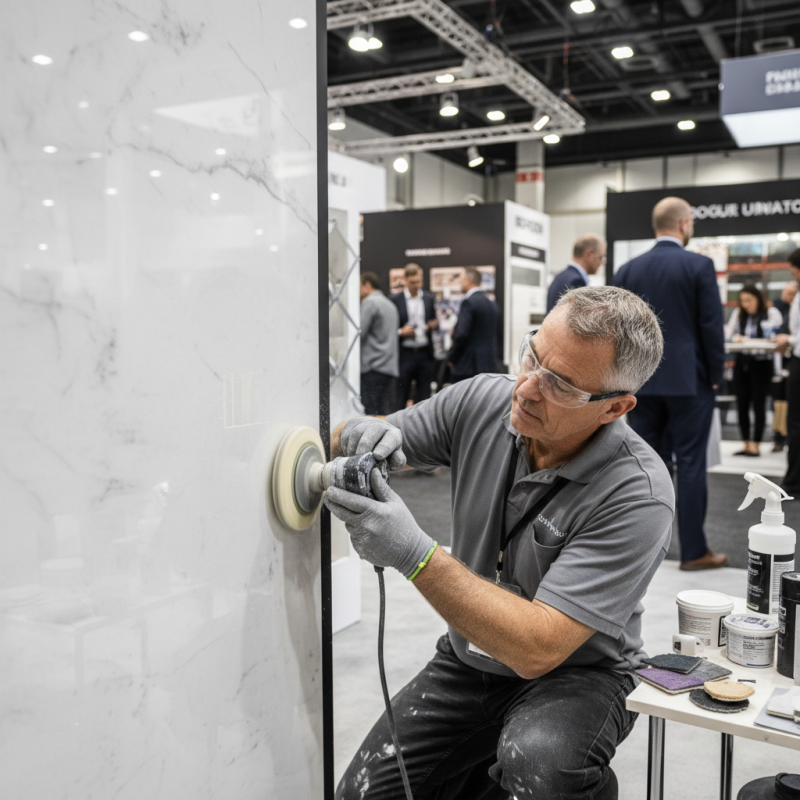
How to Remove Etch Marks from Polished Marble for Trade Shows?

Understanding Etch Marks on Polished Marble in Trade Show Settings

Etch marks on polished marble can be a significant concern at trade shows. These unsightly blemishes often result from contact with acidic substances, such as beverages or cleaning agents. Research indicates that nearly 30% of exhibitors report issues with marble surfaces becoming dull or scratched during events. The effects are not just aesthetic; they can impact perceptions of professionalism and quality.

When polished marble is used in high-traffic areas, it faces various challenges. A study highlighted that over 50% of trade show participants noted the importance of appearances in attracting customers. With busy environments, spills are likely. Accurate data shows that 65% of marble maintenance issues occur due to inadequate protective measures. This underscores the need for exhibitors to plan ahead and use preventive coatings.

Dealing with etch marks requires careful steps. A gentle diluted solution of baking soda and water can help restore shine. Frequent assessments are crucial to address issues promptly. Many exhibit managers overlook this; they focus on larger logistical challenges. However, marble's appearance is equally vital. Each mark tells a story—some of carelessness, some of neglect. Exhibitors should reflect on this and prioritize maintenance.

Common Causes of Etching on Marble Surfaces During Exhibitions

During trade shows, polished marble surfaces often suffer from etch marks. These unsightly blemishes are mainly caused by acidic spills. Common culprits include drinks, foods, and cleaning products. According to a report by the Marble Institute of America, over 60% of exhibitors face these issues. The high traffic and careless handling exacerbate the problem.

Moisture and improper maintenance can also lead to etching. Simple mistakes, like using the wrong cleaning agents, contribute significantly. A study showed that 40% of exhibitors do not follow recommended marble care guidelines. Visitors unknowingly scuff the surface, leading to permanent damage. The glossy finish can quickly dull, making the marble look lackluster.

Additionally, environmental factors play a role. Humidity and temperature fluctuations can weaken the marble's surface. This vulnerability makes it more likely to react negatively with common substances. Without proper protection, beauty turns into distress. Exhibitors must reflect on their practices to prevent further damage. Ignoring these details could leave an unpolished impression.

Step-by-Step Guide to Removing Etch Marks from Marble Efficiently

Removing etch marks from polished marble can be a daunting task, especially for trade shows where your material needs to shine. To start, gather your supplies. You’ll need baking soda, water, a soft cloth, and a marble polish. Mix equal parts of baking soda and water to create a thick paste. This mixture will help to lift the etches without damaging the marble.

Apply the paste to the affected areas. Gently rub it in using a circular motion. It’s crucial not to apply too much pressure. The goal is to buff, not scratch. After a few minutes, wipe the area with a damp cloth to remove the paste. Inspect your work. If the etch marks remain, you may need to repeat the process. It can be frustrating, but patience is key here.

Once the etch marks are gone, add a layer of marble polish. This not only restores shine but also provides a protective layer. Your marble should look better, but remember, imperfections can still exist. Each marble piece has its own character, and some marks may require professional help. Always reflect on your process — what worked? What could have been done differently? These steps will help maintain the beauty of your polished marble for future displays.

Recommended Products for Etch Mark Removal from Polished Marble

Etch marks can ruin the pristine look of polished marble, especially at trade shows. The key to restoring its beauty lies in using the right products. Look for a high-quality marble polish that contains tiny abrasives. These can gently buff away etch marks without damaging the marble surface. Some products also feature compounds that fill in the tiny scratches. This dual action helps bring back the shine.

Utilizing a marble revitalizer is another effective method. These solutions can help enhance the color and luster of the surface. They often contain wax or polymers that form a protective layer. However, not all products suit every type of marble. It’s essential to test them on a small area first. This prevents further damage.

In working with these products, apply with a soft cloth. Avoid harsh scrubbing, which can worsen the etch marks. After application, allow some time for the product to set. Many users notice that consistent care maintains the marble's appearance. Reflect on how much effort you invest in marble upkeep. Each trade show can bring new challenges. Discovering the right balance of care and use of products can be an ongoing journey.

Preventive Measures to Protect Marble Surfaces at Trade Shows

Trade shows can be bustling environments. Marble surfaces can suffer from accidental etch marks due to spills or scratches. Protecting these surfaces is crucial to maintain their shine and elegance. Start by using protective covers. They can shield marble from harsh chemicals and heavy foot traffic. Simple mats or cloths can make a big difference.

Regular maintenance is essential. Ensure that marble surfaces are wiped down frequently. Use soft cloths to prevent scratches. Consider applying a sealant to the marble. This can create a barrier against stains and etching. However, it’s important to remember that sealants require reapplication over time. Skipping this step may lead to long-lasting damage.

Create a cleaning routine. It’s easy to overlook the upkeep when busy with tradeshow activities. Sometimes, one might neglect to remove spills immediately. This can lead to complications later. Encourage booth staff to be diligent in caring for the marble. A little attention can prevent a lot of damage. Keeping a checklist on hand might help. It’s a simple tool, but it can promote awareness and responsibility.

How to Remove Etch Marks from Polished Marble for Trade Shows? - Preventive Measures to Protect Marble Surfaces at Trade Shows

Preventive Measures Effectiveness Cost Estimate Notes
Use Coasters High $10-$25 Prevents water rings and etching
Regular Polishing Medium $50-$150 Maintains shine and reduces etching
Sealant Application High $100-$300 Protects against stains and etch marks
Immediate Cleaning High Minimal Wipe spills quickly to avoid etching
Use of Padded Equipment Medium $20-$50 Minimizes scratches and physical damage

FAQS

: What causes etching on marble surfaces at trade shows?

: Etching mainly results from acidic spills from drinks, foods, and cleaning products. High traffic worsens this issue.

How can moisture affect marble during exhibitions?

Moisture can weaken the marble, making it more susceptible to damage. Improper maintenance increases this vulnerability.

What mistakes do exhibitors make when caring for marble?

Many do not follow recommended care guidelines. Over 40% fail to use appropriate cleaning agents or techniques.

How can I remove etch marks from marble?

Mix baking soda with water to make a paste. Apply gently, then wipe with a damp cloth. Repeat if necessary.

Should I apply polish after removing etch marks?

Yes, applying marble polish restores shine and provides a protective layer. It helps maintain the marble's beauty.

What preventive measures can I take for marble at trade shows?

Use protective covers and mats. Regularly clean the surface and consider applying a sealant to prevent damage.

Why is regular maintenance important for marble surfaces?

Consistent care prevents scratches and stains. Neglecting maintenance can lead to long-lasting damage and reflects poorly on displays.

How can a cleaning routine help during busy trade shows?

A cleaning routine ensures spills are managed promptly. This reduces complications and helps maintain appearance.

What tools can assist with marble upkeep at exhibits?

Use soft cloths and create a checklist for booth staff. Simple tools encourage diligence in caring for marble.

Can imperfections still exist after cleaning marble?

Yes, each marble piece has unique characteristics. Some marks may need professional assistance despite DIY efforts.

Conclusion

When considering how to remove etch marks from polished marble, it’s essential to first understand the nature of these marks, particularly in trade show settings where marble is often used. Etch marks are typically caused by acidic substances that react with the marble’s surface, leading to dull spots. Common culprits include spills from drinks or cleaning products.

To effectively remove etch marks from polished marble, a systematic approach is recommended. Start by gently cleaning the surface to remove any debris, then employ a suitable marble polishing compound to buff the affected areas. Various products are available specifically for this purpose, and selecting the right one can enhance the results. Additionally, implementing preventive measures, such as using coasters and avoiding contact with acidic materials, will help protect marble surfaces during exhibitions and maintain their polished appearance over time.

Aria

Aria

Aria is a dedicated marketing professional with a deep passion for innovative strategies and a keen understanding of our company's product offerings. With a wealth of experience in the industry, Aria excels at crafting engaging content that highlights the unique features and benefits of our......