Oil stains can be a common issue in kitchens, especially on marble surfaces. Many homeowners love their marble kitchen islands for their elegance and durability. However, the beauty of marble can be marred by unsightly oil stains. This leads to the question: How to remove oil stains from a marble kitchen island?
Effective cleaning methods require both care and precision. Marble is a porous stone, making it susceptible to stains. Common kitchen oils can seep into the surface, leaving marks that are hard to remove. Using harsh chemicals can damage the marble, leading to a dull finish. Instead, it’s vital to choose gentle yet effective cleaning solutions. It’s not simply about removing the stain; it's about preserving the stone's natural beauty.
Many people attempt quick fixes but end up disappointed. A thoughtful approach is essential. Assessing the stain's age and depth can guide you to the right technique. Learning how to remove oil stains from a marble kitchen island involves trial and error. Each case may require different methods or products. Being patient and understanding the material can lead to success in restoring your marble's original shine.
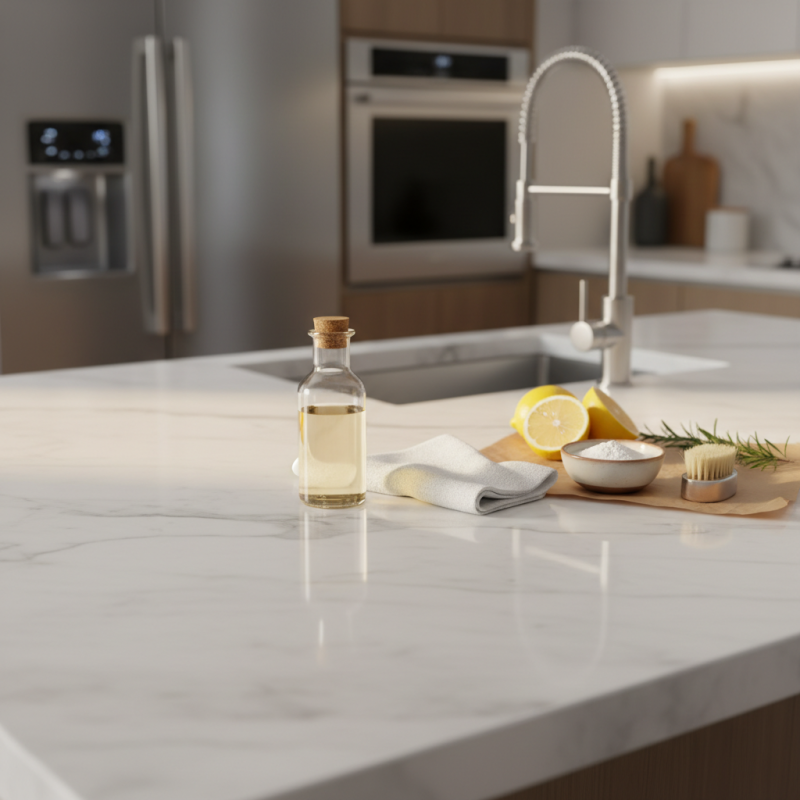
Understanding the Composition and Porosity of Marble Surfaces
Marble surfaces are stunning, but their porosity makes them vulnerable to stains. Understanding this aspect is crucial when caring for a marble kitchen island. Marble is made of calcium carbonate, which reacts with acids and oils. This reaction leads to discoloration and damage over time. Clean spills immediately to minimize staining risks.
Tips: Always use coasters and mats to prevent direct contact with oil. Regularly seal your marble to create a protective barrier. A simple homemade paste of baking soda and water can gently lift stains. But remember, some stains might not come out completely, and that’s okay.
It's important to acknowledge that marble is not indestructible. Scratches and etches may appear over time, adding character to your space. When caring for marble, test cleaning methods on a small area first. An experimental approach can help you find the best solution for your islands' unique needs. Patience is essential in preserving the natural beauty of marble.
Common Sources of Oil Stains on Kitchen Islands and Their Impacts
Oil stains on marble kitchen islands can originate from various sources. Cooking oil, salad dressings, and even greasy hands can all contribute to unsightly marks. A study from the Natural Stone Institute highlights that about 70% of spills in kitchens involve oil-based substances. This is significant for homeowners who might underestimate the vulnerability of marble surfaces.
The consequences of neglecting these stains can be severe. Oil can penetrate the porous surface of marble, leading to permanent discoloration. According to research from the Marble Institute of America, 40% of homeowners report dissatisfaction with their countertop’s appearance due to grime and stains. Marble requires regular maintenance to prevent these issues, which may deter some users from fully utilizing their kitchen spaces.
Addressing oil stains promptly is crucial. The same study found that professional cleaning can restore the marble surface's integrity, but this service can be costly. DIY methods are often seen as viable alternatives. However, some may lack effectiveness and cause further damage. Reflecting on the balance between care and routine maintenance is essential for preserving the beauty of a marble kitchen island.
Step-by-Step Guide: Preliminary Cleaning Techniques for Marble
Removing oil stains from a marble kitchen island requires careful preliminary cleaning. Start by gathering your supplies. You’ll need soft cloths, mild dish soap, and warm water. Test any cleaning solution on a small, hidden area of the marble. This helps ensure it won’t damage the surface.
Dab the stain gently with a cloth soaked in the soapy water. Avoid scrubbing vigorously, as this may scratch the marble. Patience is key; the oil may take time to lift. Rinse the area with clean, warm water, then dry it with another soft cloth. Inspect the stain. If it persists, consider repeating the process. The outcome isn’t always perfect.
After your initial cleaning, reflect on the techniques you used. Did the stain lighten? Did you notice any scratches? Observing these details helps improve your cleaning method for future incidents. Keeping marble clean is an ongoing journey that requires care and attention.
Effective Cleaning Agents: Choosing the Right Solution for Oil Removal
Oil stains can mar the beauty of a marble kitchen island. It’s crucial to choose the right cleaning agents for effective removal. Professional cleaning report data indicates that certain solutions can be more effective than others. For instance, a mixture of baking soda and water is often recommended. This natural abrasive can lift the stain without damaging the marble surface.
Another option is using a solution of dish soap and warm water. This mild approach is gentle on marble while still effectively breaking down oil. Experts often highlight the effectiveness of pH-neutral cleaners, as they do not react negatively with marble's calcium carbonate structure. It’s essential to avoid acidic substances, as they can lead to etching and discoloration.
Tips: Always test any cleaning solution on a small, inconspicuous area first. This ensures it won’t cause damage or discoloration. Also, consider using a soft cloth for application. Avoid scrub brushes that can scratch the marble. Always rinse thoroughly after cleaning to remove any residue. With care, your marble kitchen island can remain a stunning focal point.
Preventive Measures: Maintaining a Stain-Free Marble Kitchen Island
Maintaining a stain-free marble kitchen island requires consistent care and attention. Regular sealing can protect the porous surface. Choose a high-quality stone sealer. Apply it every six months to create a strong barrier against spills. Even with proper sealing, accidents can happen. Wipe up any spills immediately to minimize absorption.
Cleaning products matter too. Use pH-balanced cleaners specifically designed for marble. Anything abrasive can scratch the surface, making it more vulnerable to staining. Soft cloths are essential for drying; they prevent water spots and smudges. It’s also wise to avoid placing hot pots directly on marble. Heat can damage the marble finish.
The kitchen environment is often chaotic. With cooking and kids around, stains can feel inevitable. Remember, prevention is key. Consider placing coasters and trivets in strategic spots. They not only protect your marble but also add style. Regularly check for any signs of wear. A little attention can save a lot of hassle later. Investing time in maintenance pays off.
FAQS
: Gather soft cloths, mild dish soap, and warm water.
Test any solution on a small, hidden area of the marble.
Dab the stain gently with a cloth soaked in soapy water.
No, avoid scrubbing vigorously to prevent scratching the surface.
Patience is key; the oil may take time to lift completely.
Dry the area with another soft cloth and inspect the stain.
A mixture of baking soda and water is often effective.
Acidic substances can cause etching and discoloration of the marble.
Always test solutions on a small, inconspicuous area first.
Assess whether the stain lightened and if any scratches appeared.
Conclusion
When considering how to remove oil stains from a marble kitchen island, it’s crucial to first understand the unique composition and porosity of marble surfaces. Marble is prone to staining due to its porous nature, which allows oils from cooking to seep into the stone. Common sources of these oil stains include cooking oils, salad dressings, and even cosmetic products, all of which can significantly impact the beauty of your kitchen island.
To effectively combat these stains, it’s essential to follow a step-by-step guide that begins with preliminary cleaning techniques, such as blotting the stain to absorb excess oil. Choosing the right cleaning agents is equally important for oil removal; options may include gentle detergents or natural solutions. Finally, implementing preventive measures, such as using coasters and regularly sealing the marble, can help maintain a stain-free kitchen island, ensuring that it remains a stunning centerpiece in your home.
 Zahran Marble
