When it comes to luxury finishes, Carrara and Calacatta marble often steal the spotlight. Many homeowners, designers, and architects face the same question: How to tell the difference between Carrara and Calacatta marble? Differentiating these two stunning stones can be challenging, especially for those new to the world of marble. Both varieties originate from Italy but possess distinct characteristics that set them apart.
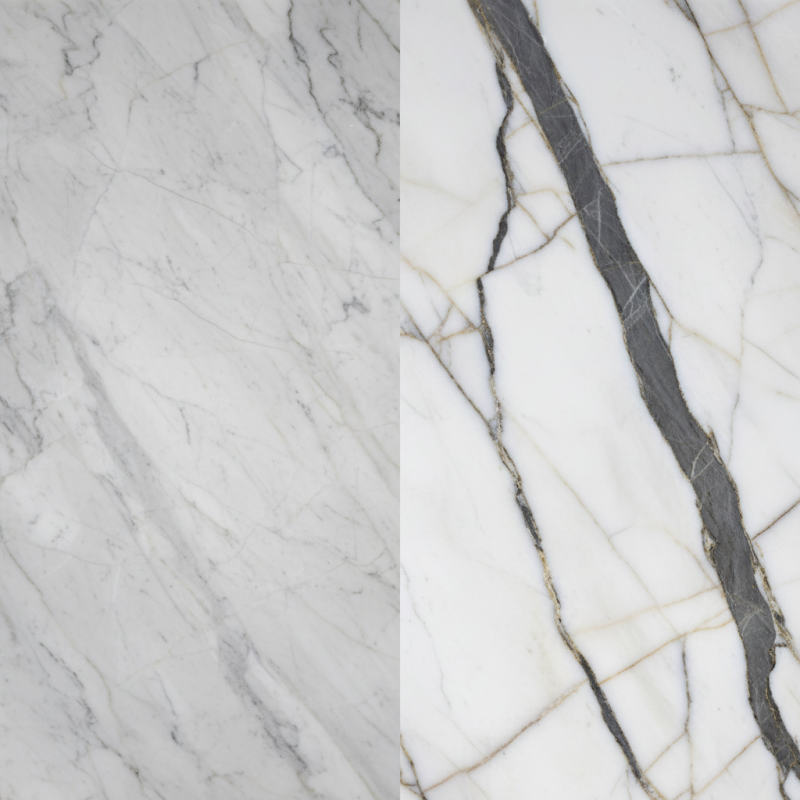
Carrara marble is more common and features subtle, softer veining. It's usually a grayish-white tone and often creates a classic look in any space. In contrast, Calacatta marble has bold, striking veins that can be gold or deep gray. This makes it a favored choice for those desiring a more dramatic touch. Understanding these key features can help in making an informed decision, but it's important to consider personal style too.
Many may assume that differences are easy to spot, yet the subtle nuances often lead to confusion. Observing the veining patterns, colors, and surface quality is crucial. Each piece of marble is a unique work of art, but navigating these choices can feel overwhelming. Therefore, emphasizing both the aesthetic and practical aspects is essential for making the right choice.
Understanding the Origins of Carrara and Calacatta Marble
Carrara and Calacatta marble are two of the most sought-after types of marble in the world. Understanding their origins can help distinguish between them.
Carrara marble comes from the Carrara region in Tuscany, Italy. It has a long history, with quarrying dating back to Roman times. The marble is usually characterized by its gray and white tones, along with soft, feathery veining. Artisans have historically used Carrara for sculptures, including Michelangelo's David. This rich history adds to its appeal.
Calacatta marble, on the other hand, is rarer and originates from quarries in Carrara, but is distinct in appearance. It features a creamy white background with bold, dramatic veining in gold or gray. The striking contrast makes Calacatta a favorite for luxury design projects.
Given its limited availability, the price is often higher than Carrara. While both marbles share a common origin, their unique visual characteristics result from different quarry locations and geological formations, making each type special in different contexts. Understanding these nuances is essential for choosing the right marble for your space.
Key Visual Features: Color and Veining Differences
When choosing between Carrara and Calacatta marble, understanding their key visual features is crucial. Both marbles originate from Italy, yet they display distinct characteristics.
Carrara typically showcases a softer, grayish hue. Its veining is often subtle and delicate, presenting a more uniform appearance.
On the other hand, Calacatta is recognized for its striking white base. It features bold, dramatic veining, often in shades of gold and gray. This makes Calacatta more luxurious and eye-catching.
In a recent industry report, 62% of designers prefer Calacatta for high-end projects due to its aesthetic appeal. The stark veining contrasts beautifully with minimalistic designs.
However, Carrara’s gentler patterns make it a favored choice for more traditional spaces. The quality and price also differentiate these marbles, as Calacatta is generally more expensive.
When selecting marble for your project, consider these tips. Analyze your space's lighting; it significantly affects how the veining appears.
Visualize how the marble fits into the overall design. With Calacatta’s bold style, it can dominate a room. Carrara offers understated elegance, which can be more versatile for various designs.
Remember, choosing the right marble goes beyond appearance; it is about the story it tells through its unique features.
Comparative Analysis of Durability and Use Cases
When considering Carrara and Calacatta marble, understanding their durability and use cases is crucial. Carrara, known for its softer veining, is often used in lighter, classic designs. The gentle colors are suitable for subtle elegance in kitchens and bathrooms. However, it may scratch or chip more easily than Calacatta.
Calacatta, on the other hand, features bold, dramatic veining and a whiter base. Its density offers superior durability, making it ideal for high-traffic areas. Calacatta can withstand heavy use without showing wear. This marble is often chosen for statement pieces, such as countertops and flooring in luxury settings.
To differentiate between the two, consider these tips. First, evaluate the veining patterns closely. Carrara has a more understated look while Calacatta showcases bolder designs. Next, assess your space's needs. High-traffic areas benefit from the resilience of Calacatta. Lastly, think about maintenance. Carrara requires more care to prevent staining or scratching. These factors are vital for making an informed decision about which marble works best for your project.
Comparison of Carrara and Calacatta Marble Durability and Use Cases
Price Factors: Cost Differences Between Carrara and Calacatta
When considering Carrara and Calacatta marble, pricing is a crucial factor. Carrara marble is generally more affordable. It comes from Italy and is known for its gray and white tones. Its availability makes it accessible for various projects. You might find it in homes, offices, or commercial spaces. The price can range from $40 to $100 per square foot, depending on quality and source.
On the other hand, Calacatta marble commands a higher price. This type also originates from Italy but features bolder veining patterns and a whiter background. Its rarity increases the cost significantly. Prices for Calacatta range from $100 to $250 per square foot, making it a luxury choice for high-end designs. Many homeowners struggle with the decision, often weighing the investment against the desired aesthetic.
Understanding these differences in pricing can help you choose wisely. Each marble has its unique appeal, but your budget may limit your options. Reflecting on your personal style versus financial constraints will lead to a more satisfying outcome.
Maintenance Tips for Each Type of Marble
Caring for Carrara and Calacatta marble requires attention to detail. These two types of marble may look similar, but they have different maintenance needs. Carrara often has a softer surface, which makes it more prone to scratches. Regular sealing is essential to prevent stains. Use a gentle pH-neutral cleaner for daily wipe-downs. Avoid harsh chemicals that can damage the finish.
Calacatta, with its bolder veining, benefits from a slightly different care routine. Its dense structure offers improved stain resistance, but it still needs periodic sealing. A microfiber cloth works well for maintenance. When spills occur, clean them quickly to minimize the risk of staining. Remember, even minor oversight can lead to lasting marks on the surface.
Both marbles can scratch easily. Take caution with heavy objects. Place coasters under drinks, and use cutting boards in kitchens. Regular maintenance will help maintain their beauty, but imperfections may arise. Embrace these natural flaws as part of their charm. Consider scheduling professional cleaning every few years for deeper upkeep.
5 Tips to Differentiate Carrara and Calacatta Marble - Maintenance Tips for Each Type of Marble
| Feature |
Carrara Marble |
Calacatta Marble |
| Color |
Light grey with subtle veining |
White with bold, dramatic veining |
| Veining |
Soft, feathery veining |
Thick, linear veining |
| Origin |
Carrara, Italy |
Calacatta, Italy |
| Cost |
Less expensive |
More expensive |
| Maintenance Tips |
Use pH-balanced cleaners, seal regularly |
Avoid acidic cleaners, use sealant often |
FAQS
: Carrara marble comes from Tuscany, Italy, with a history dating back to Roman times. Calacatta also originates from Carrara.
Carrara has soft, feathery veining and gray tones. Calacatta features bold veining and a creamy white background.
Calacatta is denser and more durable, making it ideal for high-traffic areas. Carrara may chip or scratch more easily.
Carrara suits classic designs, kitchens, and bathrooms. Its softer appearance adds subtle elegance to these spaces.
Regular sealing is vital for both. Use pH-neutral cleaners and avoid harsh chemicals during maintenance.
Clean spills quickly with a microfiber cloth. Ensure periodic sealing to maintain its appearance and prevent stains.
Carrara requires more care to prevent scratching. Calacatta is more stain-resistant but still needs regular upkeep.
Yes, natural flaws are part of the charm. Embrace these imperfections as they contribute to the marble's character.
Yes, consider scheduling professional cleaning every few years for deeper maintenance and rejuvenation.
Conclusion
When considering how to tell the difference between Carrara and Calacatta marble, it’s essential to start with an understanding of their origins. Carrara marble, sourced from Italy, typically features a light gray base with subtle veining, while Calacatta marble exhibits a white backdrop and bold, dramatic veins. The visual differences in color and veining form the foundation of their identification.
Moreover, a comparative analysis reveals variations in durability and typical use cases, with Calacatta being more suited for high-end applications due to its rarity and aesthetic appeal. Price factors also differ significantly, as Calacatta is generally more expensive than Carrara. Finally, maintenance tips for both types help homeowners make informed decisions on care, ensuring the longevity of their marble choice. By understanding these critical aspects, one can easily differentiate between these two elegant marbles.
 Zahran Marble
