Zahran Marble
When considering the question, "What is the best sealer for white marble countertops?" industry expert Dr. Emily Chen offers valuable insight. She states, "Choosing the right sealer can make or break your marble countertop's durability." White marble is beautiful but delicate. It requires careful maintenance to prevent stains and damage.
Many homeowners often overlook the importance of using a high-quality sealer. A good sealer protects against staining while enhancing the marble's natural beauty. However, not all sealers are created equal. Factors such as porosity, finish, and ease of application play significant roles. It's important to evaluate options and find the right match for your specific marble type.
It's common to feel overwhelmed when selecting a sealer. The market is flooded with choices, making it tough to determine which is best. Brands vary in quality and performance, so thorough research is essential. Engaging with professionals can help clarify your options and guide you toward the best product for your needs.
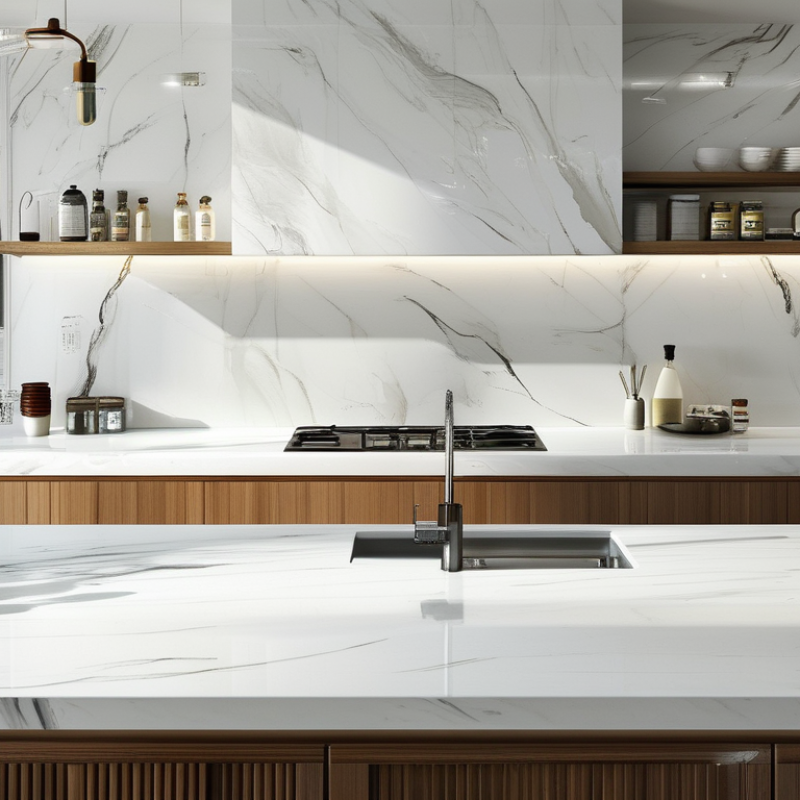
White marble countertops are elegant but need special care. They are porous and can stain easily. Understanding their sealing needs is crucial. Proper sealing protects against spills and enhances durability. Regular maintenance can prevent costly repairs.
Tips: Clean spills immediately to avoid stains. Use coasters and cutting boards to protect the surface. Reseal the countertop every six months for optimal protection.
Choosing the right sealer is important. Some sealers penetrate deeper, offering better protection. Others create a surface barrier. Consider the countertop's usage when selecting a sealer. Inconsistent sealing can lead to issues.
Always test the sealer in a small area first. This ensures compatibility with your marble. Don’t rush this process; take your time. Regular inspection for signs of wear can prevent future damage. A little extra attention goes a long way in preserving your countertop.
Choosing the right sealer for white marble countertops is crucial. Marble is beautiful but porous, making it prone to stains. When selecting a sealer, look for penetrating types. These offer deeper protection by filling the pores. Water and oil repellency are also important features.
Consider the application method. Some sealers require a simple wipe-on technique, while others need a more intensive process. Read the instructions carefully. Easy application can save you time. Performance longevity matters too. Some sealers can last for years, while others may need frequent reapplication. Evaluate your lifestyle needs.
It’s also important to check the product’s drying time. A sealer that dries too quickly can be challenging to work with. Look for user reviews discussing application experiences. Sometimes, people face issues with uneven finishes. Reflecting on these points can help improve your experience and ensure your marble surfaces remain pristine.
When it comes to caring for white marble countertops, choosing the right sealer is crucial. Professional reports indicate that without proper sealing, stone surfaces can absorb stains and moisture, leading to permanent damage. A quality sealer can prevent this, enhancing the lifespan of your countertops.
Studies show that over 70% of consumers experience difficulties in selecting an appropriate sealer for their marble. Not all sealers are created equal. Each type has distinct properties that affect its effectiveness. Some may provide a stronger barrier against stains, while others might be more breathable, allowing moisture to escape. This can be an essential factor for marble's long-term health.
The nuances of application also play a significant role. Improper sealing can lead to issues such as streaks or trapped air bubbles. A sealer that works well for one homeowner may not yield the same results for another. Additionally, environmental factors, such as humidity and temperature, can influence a sealer's performance. Therefore, it’s critical to approach this decision thoughtfully and consider consulting an expert to ensure optimal results.
When it comes to maintaining white marble countertops, the right sealer is essential. White marble is porous, which makes it susceptible to stains. According to a report by the Stone Industry Alliance, untreated marble can absorb substances, leading to etching and discoloration. Regular sealing helps mitigate these risks.
Application of sealers requires careful attention. The surface should be clean and dry before application. Many experts recommend applying a sealer every six months, especially in high-use areas. A more intricate study revealed that effective sealers can reduce porosity by 80%. However, improper application can lead to a sticky residue or uneven surface.
After sealing, maintenance plays a crucial role. Clean spills promptly but avoid acidic cleaners. A gentle pH-neutral soap is a safer option. While sealers can provide protection, they are not a foolproof barrier. Users should monitor their marble surfaces for wear or damage. Emphasizing consistent care, and recognizing the limitations of sealers, will prolong the life of marble countertops.
When sealing white marble countertops, many homeowners overlook critical steps. It’s a common mistake to skip surface preparation. Proper cleaning is essential. Any residue can prevent the sealer from adhering effectively. Even small particles can compromise the integrity of the seal.
Another common slip is applying too much product. More sealer doesn't equal better protection. This can lead to a hazy appearance. It’s important to follow the recommended application instructions closely. Allowing proper drying time is equally crucial. Rushing this step can trap moisture beneath the sealer, leading to potential damage over time.
Ignoring the recommended frequency of reapplication is another pitfall. Sealing your countertops too infrequently can expose them to stains and etching. Conversely, over-sealing may lead to an uneven finish. Regular maintenance and periodic checks can extend the life of your countertops. Trusting your instincts and learning from your mistakes will help improve your sealing process.
: Sealing prevents stains and reduces porosity, helping protect your marble surfaces.
It's recommended to apply a sealer every six months, especially in high-use areas.
Skipping surface preparation is a common mistake that can affect adherence.
No, using too much sealer can create a hazy appearance and is not effective.
Clean spills promptly using a gentle, pH-neutral soap to avoid damage.
Monitor for stains or discoloration; these signs indicate it may need re-sealing.
Not allowing proper drying can trap moisture, leading to damage underneath the sealer.
Avoid using acidic cleaners, as they can harm the marble surface.
No, sealing requires regular maintenance and should not be considered a one-time fix.
Trust your instincts, learn from past mistakes, and adjust your technique accordingly.
White marble countertops are a popular choice for many homeowners due to their elegance and timeless appeal. However, understanding their sealing needs is crucial to maintain their beauty and longevity. To determine what is the best sealer for white marble countertops, one must consider several criteria, such as the sealer's effectiveness, durability, and ease of application.
In a comprehensive review of the top 10 sealers, a range of products is evaluated based on these criteria, along with practical application and maintenance tips. Ensuring proper sealing can protect these countertops from staining and damage, while avoiding common mistakes during the sealing process can enhance their lifespan. By following the guidelines outlined in the article, homeowners can make informed decisions about sealing their white marble countertops effectively.
