Marble has fascinated designers for centuries. Its unique qualities make it stand out as a choice for various projects. But what makes marble truly special? The answer lies in understanding its essence. Why is marble considered a "living" material in design? This question invites a deeper exploration of its characteristics.
Marble is not just about aesthetics. It embodies a timelessness that evolves over time. Each slab tells a story, reflecting geological history in its veining and color. As the environment shifts, so too does the marble. It interacts dynamically with light and ambiance, enhancing spaces in unpredictable ways. This unpredictability often leads to moments of reflection. Variations in texture and pattern make every piece unique. Designers embrace these irregularities, transforming challenges into opportunities for creativity.
Moreover, marble's ability to age gracefully adds to its allure. Each scratch or mark can signify a memory, making it feel alive. While some may argue that marble’s maintenance can be demanding, its enduring beauty often outweighs these concerns. Ultimately, marble deepens our connection to design, reminding us of nature's artistry.
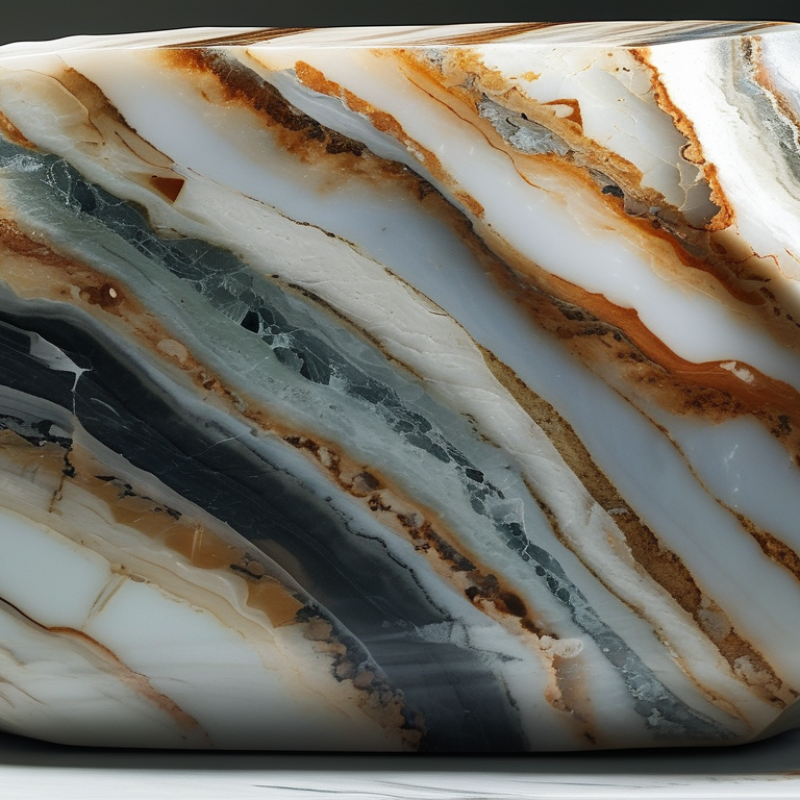
The Unique Aesthetic Appeal of Marble in Design Applications
Marble stands out as a unique material in design. Its aesthetic appeal is grounded in its natural beauty and versatility. The inherent variations in color and veining add a dynamic quality that can transform any space. According to the Natural Stones Institute, over 80% of architects prefer marble for its timeless elegance. This preference indicates its importance in contemporary design.
The visual richness of marble attracts designers and homeowners alike. Marble reflects light in a way that enhances interiors, creating warmth and depth. When used creatively, it can define a space's character. However, maintenance can be daunting. Routine sealing is essential to prevent staining, especially in high-traffic areas. The demand for marble flooring has increased by 45% in the last five years, highlighted in a report by MarketsandMarkets. But this growth raises questions about sustainability.
Additionally, while marble's durability is often praised, it can be susceptible to scratching and etching. When improperly cared for, marble loses its luster. Yet, its imperfections tell a story, adding to its character over time. Designers frequently embrace these nuances, celebrating the organic nature of stone. Marble brings a distinctive charm that resonates deeply, making it a favorite in various design applications.
Durability and Longevity: The Enduring Nature of Marble Surfaces
Marble is renowned for its durability and longevity, making it an ideal material for countless designs. It withstands wear and tear remarkably well. This is due to its natural formation, which creates a sturdy surface that can last for decades or even centuries. Unlike other materials that degrade easily, marble retains its beauty and function over time.
One common misconception is that marble is too fragile for high-traffic areas. In reality, when properly maintained, it resists scratching and chipping. Regular sealing can help protect marble surfaces from stains. For those who use marble in kitchens or bathrooms, consider cleaning products that are pH-neutral to avoid any damage.
When installing marble, be mindful of its weight. Ensure that the supporting structures can handle the load. Also, remember that marble can be slippery when wet. Incorporating non-slip mats or textures can enhance safety. Understanding the properties of marble allows designers to use it effectively, creating lasting beauty in any space. Reflecting on these aspects helps in making informed choices.
Top 10 Reasons Why Marble is a Living Material in Design?
| Reason |
Description |
Durability Rating (1-10) |
Longevity (Years) |
| Natural Beauty |
Unique veining and color variations that enhance aesthetic appeal. |
8 |
50+ |
| Heat Resistance |
Can withstand high temperatures without damage. |
9 |
50+ |
| Timeless Appeal |
Classical look that never goes out of style. |
10 |
100+ |
| Versatility |
Suitable for various applications, including floors, countertops, and décor. |
7 |
30+ |
| Easy Maintenance |
Requires minimal upkeep to maintain its beauty. |
8 |
40+ |
| Increased Property Value |
Marble adds value to homes and properties. |
9 |
Varies |
| Environmentally Friendly |
Natural material that can be recycled or restored. |
7 |
Indefinite |
| Hypoallergenic |
Resistant to dust, mold, and allergens. |
8 |
50+ |
| Unique Characteristics |
Each slab is unique, making it a one-of-a-kind material. |
10 |
Indefinite |
| Luxury Feel |
Conveys a sense of luxury and elegance. |
10 |
80+ |
Versatility of Marble: Usage Across Various Design Styles and Spaces
Marble is more than just a stunning natural stone. Its versatility allows it to fit seamlessly into various design styles. Whether you are embracing a modern aesthetic or a classic look, marble adapts beautifully. For a minimalist design, polished white marble creates clean lines and an airy feel. In contrast, rich, dark marbles add warmth and elegance to traditional spaces. Designers often experiment with different finishes and veining patterns to enhance visual interest.
In interior spaces, marble serves many functions. It can be used for countertops, flooring, and accent walls. Backsplashes featuring marble offer a touch of luxury in kitchens. This material is also a popular choice for bathrooms, adding sophistication through vanities and shower surrounds. However, its porous nature requires regular sealing to maintain its beauty. Careful maintenance is crucial to prevent stains and damage, reminding us that even beautiful materials have vulnerabilities.
Architecturally, marble has a timeless quality that complements both indoor and outdoor settings. It can define spaces, guiding the flow of movement in buildings. However, the cost and weight of marble installations demand careful consideration before use. While its beauty is undeniable, the practical aspects can challenge some designs. Ultimately, marble stands out in the design world, celebrating both its aesthetic appeal and the need for thoughtful application.
Sustainability Considerations: The Natural Sourcing of Marble Materials
Marble has been cherished in design for centuries. Its natural beauty enhances spaces with elegance. Sustainability is a key aspect of marble sourcing. The extraction process, when done responsibly, respects the environment. Marble quarries can coexist with nature, supporting local ecosystems.
The journey of marble begins with selecting stones from quarries worldwide. This sourcing is vital for promoting sustainable practices. Local sourcing reduces transportation emissions. It fosters community relationships and keeps economies thriving. However, it’s essential to scrutinize the extraction methods. Not all operations prioritize environmental integrity. Awareness is crucial for making informed choices about materials.
Marble's variations in color and texture reflect its natural origins. Each piece tells a story of its environment. Yet, this beauty comes with a responsibility. We must encourage ethical sourcing practices. Understanding the impacts of our choices is vital. Embracing marble in design can be a celebration of nature and craftsmanship.
Thermal and Acoustic Properties: Enhancing Comfort in Interior Spaces
Marble is often perceived as a static material, but its thermal and acoustic properties reveal its dynamic nature in design. One striking feature of marble is its ability to regulate temperature. When used in interior spaces, marble can absorb heat during warmer days and release it at night. This quality creates a more comfortable living environment, particularly in places with fluctuating temperatures.
Additionally, marble possesses excellent acoustic dampening qualities. It can reduce unwanted noise, enhancing the tranquility of a room. In open spaces, marble floors can minimize echo, promoting a serene atmosphere. However, while marble can bring comfort, its hard surface can also create a cold feel in winter. This contrast invites a reflection on how best to integrate warmth into a design that prioritizes marble's beauty.
Choosing marble requires thoughtful consideration. It's important to balance its benefits with its emotional impact. The visual appeal of marble should not overshadow the need for a cozy home. Finding ways to complement marble with soft furnishings can help create a harmonious space that invites relaxation.
FAQS
: Marble's natural formation creates a sturdy surface that withstands wear and tear for decades.
Yes, when properly maintained, marble resists scratching and chipping, making it suitable for busy spaces.
Use pH-neutral cleaning products to avoid damaging marble, especially in kitchens and bathrooms.
Ensure supporting structures can handle marble's weight and consider non-slip options for safety.
Sealing helps prevent stains and maintains marble’s beauty, reminding us of its vulnerabilities.
Marble adapts beautifully, enhancing both modern and classic aesthetics with its variety of finishes and patterns.
Responsible extraction can support local ecosystems, but not all operations prioritize environmental integrity.
Yes, marble’s architectural quality can define spaces and guide flow, though its weight requires careful planning.
While visually stunning, consider the maintenance needed and the potential challenges in practical applications.
Each piece of marble tells a unique story of its origins, highlighting the importance of ethical sourcing practices.
Conclusion
Marble is often described as a "living" material in design, primarily due to its unique aesthetic appeal and the natural beauty that changes with light and time. Its durability and longevity make it an ideal choice for various applications, providing surfaces that withstand the test of time while maintaining their elegance. The versatility of marble allows it to complement various design styles and spaces, from modern to classical, enhancing the overall ambiance.
Additionally, sustainability plays a key role in marble's appeal, as it is sourced from nature, ensuring a reduced environmental impact when compared to synthetic materials. Marble’s exceptional thermal and acoustic properties contribute to comfort in interior spaces, making it a functional and stylish choice. Collectively, these attributes underscore why marble is considered a "living" material in design, embodying both beauty and resilience.
 Zahran Marble
