 Zahran Marble
A glass marble can look ordinary in the palm, yet a small swirl or a clean, unchipped surface may make collectors pause. Some marbles were made by hand, while others came from factory production. Their age, maker, design, and availability can all affect interest. Small details matter.
What makes some marbles more expensive than others is rarely one feature alone. Rarity can help, but it does not guarantee a high price. A sought-after pattern in poor condition may attract less interest than a well-preserved example. A tiny chip, cloudy glass, or worn surface can change how a marble looks and how collectors assess it.
Construction offers useful clues. Handmade marbles may show details such as a pontil mark or distinctive internal swirls, though appearance alone cannot confirm age or maker. Color and pattern also matter, especially when a design is less commonly found. Reliable identification may depend on comparing examples, checking reputable collector references, and reviewing documented sales.
Provenance can add context, but it should be treated carefully. An old family story is not the same as a verified history. Prices also shift with demand, and asking prices do not always reflect completed sales. That uncertainty deserves attention. This guide explores the features that can influence value, how condition and identification affect an estimate, and why careful comparison is more useful than judging a marble by appearance alone.
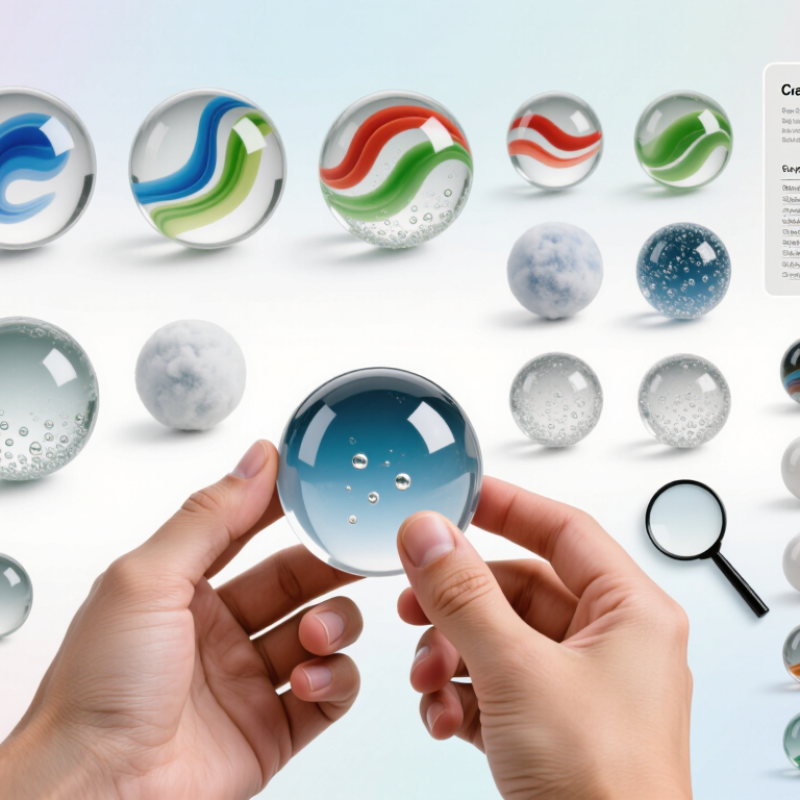
A marble’s type, material, and manufacturing method can explain more than its color. Collectors distinguish handmade examples from machine-made ones by studying shape, seams, and internal patterns. A faint pontil mark or uneven surface may indicate hand finishing. Look closely. Such clues can be subtle, and wear may obscure them.
Material matters, but rarity is not the same as expense. Glass marbles may contain swirls, opaque layers, or a distinctive “cat’s-eye” pattern; stone and clay examples have different textures and visual character. The U.S. Geological Survey’s Mineral Commodity Summaries 2024 estimated U.S. industrial sand and gravel production at about 96 million tons in 2023. That figure shows silica feedstock is abundant, not that every glass marble is common or valuable. Condition, age, documented origin, and collector demand still affect price.
Manufacturing details help narrow the story. Machine-made marbles often show consistent sizing and seams, while handmade pieces can vary from one example to another. ASTM C162, a standard terminology reference for glass and glass products, provides useful language for describing glass features accurately. Still, one clue rarely proves a marble’s age or method. Even careful collectors can misread a seam, especially on a chipped piece. Photograph it in daylight, then compare its features with reliable specialist references before assigning a premium.
| Marble Type | Typical Material | How It Was Made | Useful Identification Clues | Factors That Can Increase Value | General Collectible Potential |
|---|---|---|---|---|---|
| Machine-made glass | Colored or clear glass | Formed in quantity by machinery; many examples have a visible seam or pattern that continues through the surface. | Look for consistent size, repeated patterns, and a seam or machine-cut marks. A seam alone does not establish age or rarity. | Unusual colors or patterns, larger size, excellent surface condition, and a documented scarce variety. | Usually common; uncommon varieties can be more desirable. |
| Handmade swirl or ribbon glass | Usually clear and colored glass | Glass canes or colored rods were worked by hand into a marble and shaped while hot. | May show a pontil mark, an irregular finish, or internal strands that vary in thickness and placement. | Complex, well-defined internal designs; appealing color combinations; intact surface; convincing evidence of handmade construction. | Can be highly collectible, especially when the design is distinctive and condition is strong. |
| Sulfide marble | Clear glass surrounding a small white figure, commonly made from ceramic material | A small molded figure was encased in clear glass, often with a glass layer between the figure and the surface. | Examine the figure for detail and centering; check the clear glass for chips, cracks, and distortion. | Rare or finely detailed figures, good visibility, strong centering, and minimal damage. | Often sought after; rarity and figure quality matter substantially. |
| Latticino or latticinio | Glass with opaque white or colored glass threads | Thin glass canes were arranged as internal threads or a network and incorporated into the marble during hot-glass work. | Look for orderly internal strands, a spiral or cage-like arrangement, and handmade shaping characteristics. | Clear, balanced patterning; unusual thread colors; strong contrast; and excellent condition. | Ranges from moderately collectible to highly desirable, depending on workmanship and rarity. |
| Onionskin-style glass | Usually clear glass with colored flecks, bands, or surface-like layers | Colored glass was applied or worked into a layered design around a glass core. | Often has a rounded, layered appearance with scattered colored flecks or bands; handmade examples may be asymmetrical. | Distinctive color placement, attractive layering, larger size, and a well-preserved surface. | Collectors may favor unusual patterns; condition and authenticity are important. |
| Clay marble | Fired or unfired clay, sometimes with a colored or glazed surface | Shaped by hand or formed in a mold; some examples were fired, painted, or glazed. | May feel less glassy than glass examples and can show a matte, painted, or glazed finish. Check for chips and wear. | Unusual decoration, a scarce form, clear provenance, and a well-preserved finish. | Many are common; unusual or early examples can attract specialist interest. |
| Porcelain or china marble | Glazed or unglazed ceramic | Made from ceramic material, typically shaped and fired; some have a colored or patterned glaze. | Usually opaque, with a ceramic feel and a fired surface; inspect for glaze loss, cracks, and chips. | Distinctive glaze or decoration, unusual size, scarcity, and intact condition. | Often modest in value unless the example is unusual or especially well preserved. |
| Stone marble | Agate, marble, or another hard natural stone | Stone was cut and polished into a sphere rather than formed from hot glass or clay. | Look for natural color variation, mineral banding, and a polished stone surface; patterns may be irregular and unique. | Attractive natural banding, uncommon stone, larger size, and a smooth surface without major damage. | Depends on the stone, visual quality, size, and condition. |
Value note: These are general collecting tendencies, not price estimates. Actual value depends on authenticity, rarity, condition, size, provenance, and current buyer demand. Chips, cracks, repairs, and heavy wear can reduce value considerably.
Handmade examples may have uneven shapes, subtle pontil marks, or varied internal patterns. Machine-made pieces often have consistent sizing and seams. One clue is not proof.
Glass marbles may show swirls, opaque layers, or cat’s-eye patterns. Stone and clay examples have distinct textures. Material alone does not determine value.
A pontil scar, tiny air bubbles, or uneven swirls may support a handmade origin. A regular seam can suggest machine production. I would not trust one mark alone.
No. A U.S. patent records a marble-making machine patent granted in 1906, but it does not date every marble. Compare the piece with dated collection examples.
Under bright, neutral light, rotate it and look for chips, cracks, bruises, and worn patches. Check closely. Patterned surfaces can hide small impact marks.
Not necessarily. Value also depends on condition, age, documented origin, and collector demand. Polishing or heavy handling may change the original surface.
Take clear photographs in daylight and record its diameter, weight, seams, and surface damage. Include close-ups. The details may still leave room for doubt.
No. Bubbles, pits, or uneven patterns may relate to how the marble was made. Compare similar examples before treating every mark as a flaw.
What makes some marbles more expensive than others often comes down to a combination of their type, materials, and how they were made. Handcrafted examples may differ in value from factory-made ones, while unusual materials or distinctive construction can make a marble more appealing to collectors. Its age and historical period also matter, especially when its features help establish when and how it was produced.
A careful inspection can reveal important details, including condition, color, patterns, and surface wear. Rarity, known maker information, and a documented history of ownership may further influence interest and value. To estimate a marble’s current market worth, compare it with similar examples that have sold recently, taking their condition and features into account. No single characteristic determines value; the strongest estimate considers all these factors together.
