Marble is prized for its beauty and elegance. However, many homeowners face a puzzling issue: "Why is marble turning yellow after installation?" According to renowned expert Dr. Susan Hargrove, a leading material scientist, “Understanding the chemistry behind marble discoloration is key to preventing it.”
Various factors contribute to this yellowing phenomenon. High moisture levels can lead to staining. Additionally, improper sealing might allow substances to seep into the stone. Certain cleaning products can also react negatively with marble, causing unwanted changes. Over time, exposure to these conditions can turn once-lustrous white marble into an unsightly yellow.
Recognizing early signs is crucial. Homeowners should regularly inspect their marble surfaces. If discoloration appears, addressing it promptly may prevent further damage. Understanding the reason behind yellowing is not just about aesthetics; it also preserves the investment made in beautiful marble. This journey towards clarity can be frustrating, but with knowledge, solutions are possible.
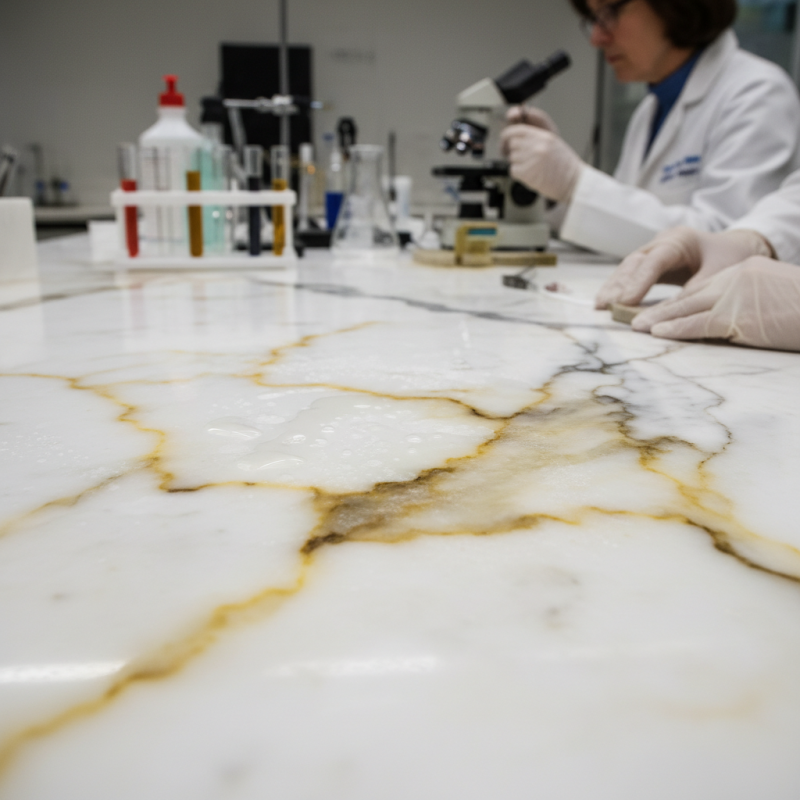
Causes of Yellowing in Marble After Installation
Yellowing in marble after installation can be frustrating for homeowners. Various factors may contribute to this discoloration. One common cause is the sealer used on the marble surface. A low-quality or incorrect sealer can react with moisture, leading to a yellow tint. It's essential to choose a high-grade product that suits your specific marble type to avoid such issues.
Another factor is exposure to sunlight. Over time, UV rays can alter the color of the marble, especially if not treated with UV-resistant coatings. Improper cleaning products can also lead to yellowing. Acidic or abrasive cleaners can damage the surface and create discoloration. Always use pH-neutral cleaners for maintenance.
Finally, remember that marble is a natural stone. Variations in its color and texture are normal and sometimes unpredictable. Even after proper installation and care, some yellowing may occur. Reflecting on your maintenance routine can help identify possible culprits. Adjusting cleaning methods or materials can mitigate the yellowing process and maintain the beauty of your marble.
Impact of Chemical Reactions on Marble Discoloration
Marble is admired for its beauty, but it can change color after installation. One common issue is yellowing. This transformation often results from chemical reactions. High iron content in marble can react with moisture and air, leading to discoloration. Additionally, acidic substances can accelerate this process.
To prevent yellowing, proper care during installation is essential. Ensure that all surfaces are clean and dry before laying the marble. Regular sealing can also create a barrier against moisture. Avoid using acidic cleaners on the marble surface, as they can cause irreversible damage. Using a pH-neutral cleaner is a safer choice.
When dealing with yellowed marble, consider consulting a professional. They can assess the cause of discoloration accurately. Sometimes, deep cleaning or refinishing can restore the original beauty. It’s also beneficial to test cleaning products on a small area first. This caution can prevent further damage. Keeping these tips in mind can help maintain your marble's elegance and luster.
Why is My Marble Turning Yellow After Installation?
This chart displays the impact of different chemical reactions on marble discoloration over time. The data highlights how varying exposure to factors such as cleaning products, acidic substances, and natural elements can contribute to the yellowing of marble surfaces.
Role of Environmental Factors in Marble Yellowing
Marble is a stunning choice for flooring and countertops. However, many homeowners notice their marble turning yellow over time. Environmental factors play a significant role in this discoloration. Understanding these factors can help mitigate the yellowing effect.
Humidity and moisture are critical enemies of marble. High humidity levels can cause the stone to absorb water, leading to a change in color. Additionally, exposure to certain pollutants, like cigarette smoke or air pollution, can accelerate this process. Even the cleaning products used can contain chemicals that contribute to yellowing. It’s essential to choose pH-balanced cleaners to preserve the marble’s luster.
Natural light exposure also impacts marble. Direct sunlight can cause fading and discoloration. If your marble is placed in a sunlit area, consider using drapes or UV-protective films. Another factor is temperature fluctuation. Extreme heat and cold can lead to micro-cracks, allowing contaminants to seep in. Awareness of these environmental influences can help maintain your marble's beauty and longevity.
Preventative Measures for Maintaining Marble Appearance
Marble is a luxurious choice for flooring and countertops, but it requires care to maintain its beauty. While some yellowing is natural over time, proper maintenance can help preserve its elegance. One study by the Natural Stone Institute shows that improper care can lead to significant discoloration in up to 30% of marble surfaces within five years of installation.
To keep marble looking pristine, regular cleaning is essential. Use a pH-neutral cleaner and avoid acidic substances like lemon juice. Acidic cleaners can erode the marble’s surface, leading to dullness and yellowing. Additionally, consider sealing the marble every six to twelve months. Sealing helps protect against stains and moisture penetration, which can accelerate discoloration.
Tips for Caring for Marble:
- Wipe spills immediately.
- Use coasters under drinks.
- Place mats in high-traffic areas.
Even with care, some yellowing may still occur due to environmental factors like humidity and sunlight. Polyurethane and other chemical treatments might provide temporary solutions but can alter marble's natural look. Regular assessments of the marble’s condition can help identify issues early. Acknowledging the need for periodic professional cleaning or restoration is also vital. Such measures, though sometimes overlooked, enhance the longevity of your marble surfaces.
Restoration Solutions for Discolored Marble Surfaces
Discolored marble can be a frustrating issue for homeowners. After installation, yellowing may occur due to various factors. Common causes include exposure to moisture, heat, and chemical reactions. Data from the Marble Institute of America shows that improper sealing can lead to heightened absorption of liquids, which can discolor the surface over time.
Restoration solutions are available for discolored marble. Professional cleaning involves using pH-balanced products specifically designed for stone. This can help remove surface stains effectively. However, deeper discoloration may require honing or polishing. Adjusting the surface finish can restore the marble’s original luster. It’s crucial to assess the extent of damage before choosing a restoration method.
Tips: Always test cleaning solutions in a small, inconspicuous area first. Regular maintenance is key to preventing discoloration. Use coasters and quick clean-ups to minimize staining risks. Consult professionals for tailored solutions based on your specific marble type. Investing in preventative care can save you hassles later. Preparation and awareness will help maintain your marble’s beauty.
FAQS
: Marble can discolor due to chemical reactions, especially in high iron content. Moisture and air exposure worsen this effect.
Clean and dry surfaces before installation. Regular sealing also helps protect against moisture and stains.
Always use a pH-neutral cleaner. Avoid acidic cleaners like lemon juice, as they can damage marble surfaces.
It's advisable to seal marble every six to twelve months to prevent discoloration and enhance protection.
Consult a professional to assess and possibly refinish the marble. Testing cleaning products on a small area is wise.
Wipe spills immediately and use coasters. Placing mats in heavy traffic areas can help prevent wear and tear.
No, some yellowing occurs due to factors like humidity and sunlight. Regular care reduces but may not eliminate it.
Humidity and sunlight can contribute to discoloration. Constant monitoring can help in early detection of issues.
Chemical treatments provide temporary relief but may alter the marble's natural appearance. Use with caution.
If you notice significant discoloration or dullness, periodic professional cleaning or restoration is essential for longevity.
Conclusion
The article titled "Why is My Marble Turning Yellow After Installation?" explores the various factors contributing to the discoloration of marble surfaces. It begins by examining the common causes of yellowing, including chemical reactions that may arise from exposure to certain cleaning agents or environmental pollutants. The discussion highlights how these chemical interactions can lead to unsightly stains that alter the marble's natural appearance.
Moreover, the article emphasizes the role of environmental factors, such as humidity and sunlight, in exacerbating the yellowing effect. To maintain the pristine look of marble, preventative measures like proper sealing and regular cleaning are recommended. Finally, for those already facing yellowed surfaces, the article offers various restoration solutions that can help restore the marble's original luster, ultimately addressing the concern, "Why is marble turning yellow after installation?" and providing readers with practical advice for maintenance and restoration.
 Zahran Marble
